


Business Sectors
Business Sectors
Events
Contents
2022's top stories in Marine Propulsion & Auxiliary Machinery
We look back over our most read stories from the year to revisit the topics that your reading habits revealed as key issues in the maritime industry in 2022


In the maritime propulsion world, Marine Propulsion & Auxiliary Machinery readers have avidly followed emerging fuels and engine technologies, with some of the most read stories this year and in 2021 featuring development of new engine technologies such as fuel cells and new fuels, including a healthy interest in ammonia.
Another subject of interest to our readership was the entry into force of IMO’s newest emissions regulations instruments. From 1 January 2023, it will be mandatory for all ships to calculate their attained Energy Efficiency Existing Ship Index (EEXI) to measure their energy efficiency and to initiate the collection of data for the reporting of their annual operational carbon intensity indicator (CII).
To read each story in full, click on the headline, the image or the link at the end of the text.
Sign up for Riviera’s weekly series of technical and operational webinars and attend our conferences in 2023:
- Register to attend by visiting our events page.
- Watch recordings from all of 2022’s webinars in our webinar library.
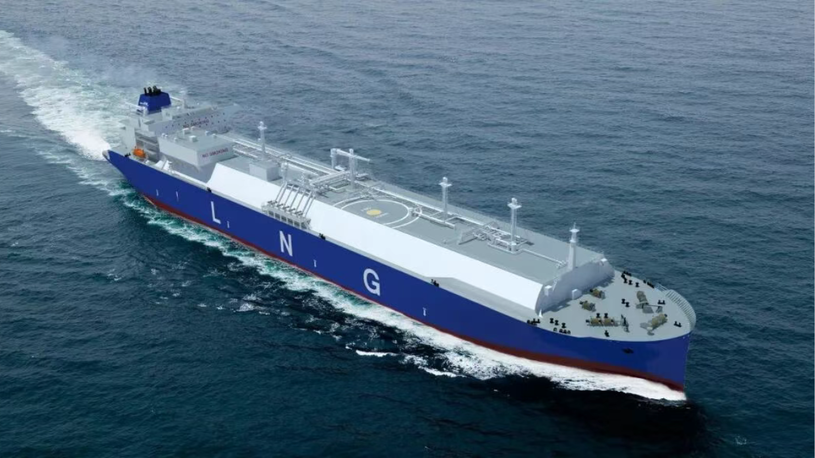
1. Low-pressure, dual-fuel engines set to dominate LNG shipping
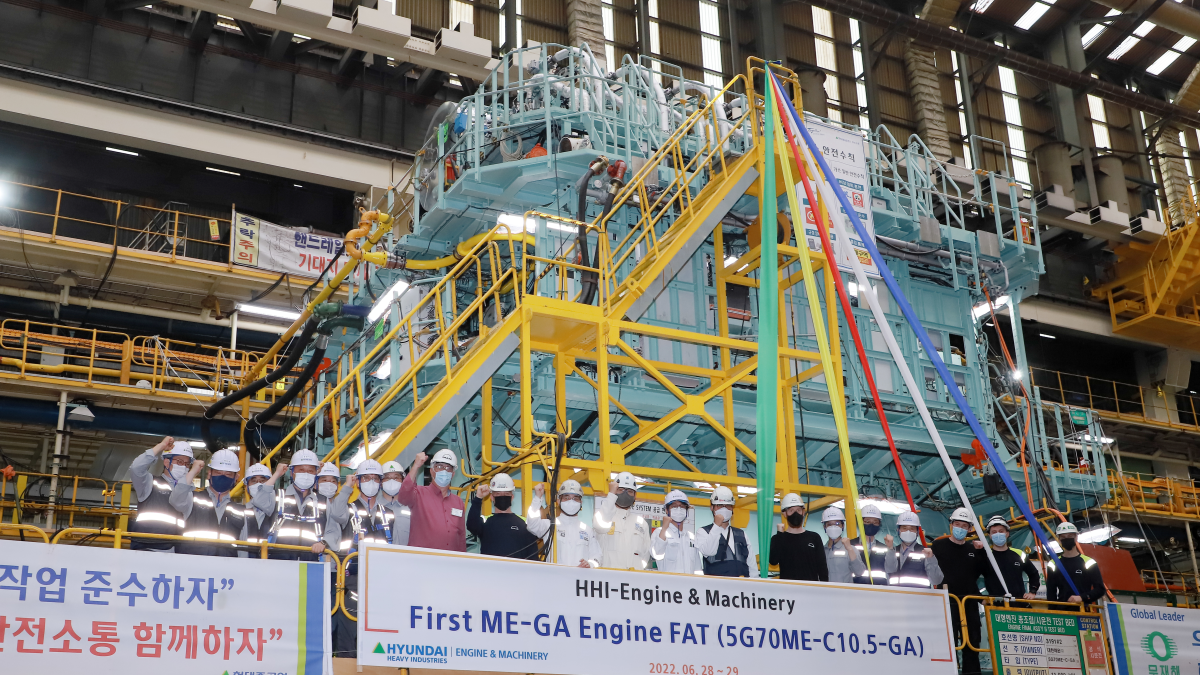
More fuel efficient and environmentally friendly new-generation two-stroke, Otto-cycle, dual-fuel engines from WinGD and MAN Energy Solutions will be popular choices in future LNG shipping fleets.
Enginebuilder Hyundai Heavy Industries Engine & Machinery Division conducted two separate factory acceptances tests for rival two-stroke, low-pressure, Otto-cycle, DF engines: WinGD’s X-DF2.1 engine with “iCER on engine” application; and MAN Energy Solutions’ first ME-GA. Both engines, destined for 174,000-m3 LNG newbuildings for different owners, are set to be dominant prime movers in the future global LNG shipping fleet.
2. Marine fuel cell: first type-approval granted
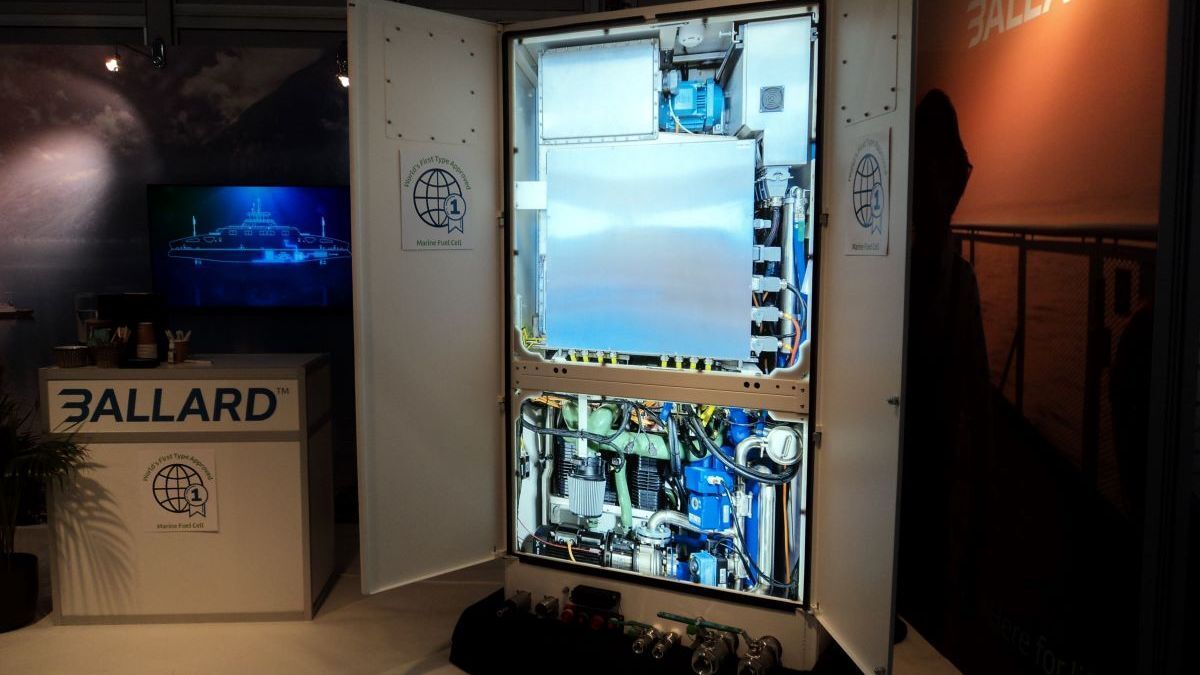
Ballard Power Systems announced at Nor-Shipping that it has been granted the first-ever type-approval for a marine fuel cell module from DNV. Ballard Power Systems noted the type-approval marks an important step in commercialising its fuel-cell technology for marine applications. This is key to including fuel cells as a zero-emissions solution for the marine industry.
3. Ammonia breakthrough highlights robust fuel gas supply market
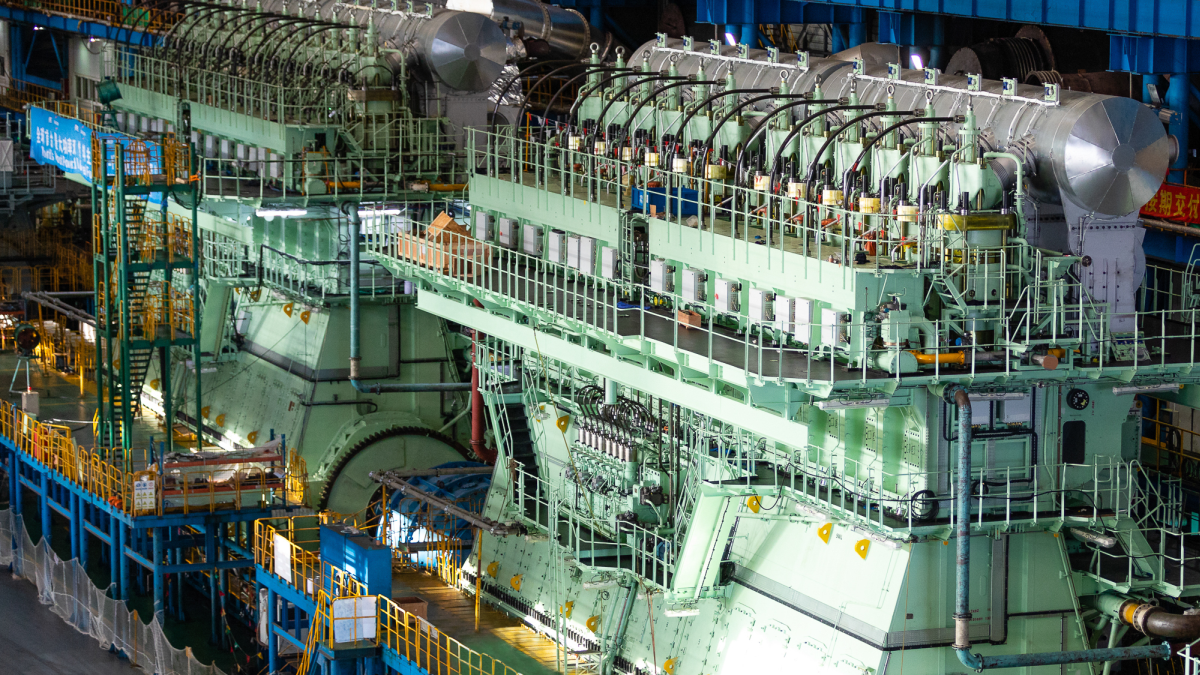
Robust ordering for LNG-fuelled ships continues to drive demand for fuel gas supply systems. Q2 2022 saw the strongest quarter yet, with contracts signed for 83 LNG-fuelled newbuilds, according to a social media post by DNV principal consultant Martin Christian Wold. As of mid-July, the global fleet had swollen to 807 LNG-fuelled vessels, and another 229 LNG-ready ships, according to DNV’s Alternative Fuels Insight platform.
4. The case for ammonia as a marine fuel

If ammonia is to become a new marine fuel mainstay, it must be adopted in a way that does no harm, meaning low-carbon production using renewable energy and not limiting ammonia’s use in other industries, said WinGD general manager of technical development Andreas Schmid.
5. IMO’s CII and EEXI rules enter into force

International Maritime Organization amendments on ship efficiency come into force two months ahead of the mandatory energy efficiency calculations that will be required of all ships from 1 January 2023.
Sign up for Riviera’s weekly series of technical and operational webinars and attend our conferences in 2023:
- Register to attend by visiting our events page.
- Watch recordings from all of 2022’s webinars in our webinar library.
.

Related to this Story

Events

Maritime Regulations Webinar Week
 16 Dec 2025
 GMT - ONLINE
Floating energy: successfully unlocking stranded gas using FLNGs and FSRUs
24 Feb 2026GMT - ONLINE
© 2026 Riviera Maritime Media Ltd.


