


Business Sectors
Business Sectors
Events
Contents
Register to read more articles.

The future looks good for cruise
A strong orderbook, new vessels with ultra-advanced technology and a sharp increase in passenger numbers are the positive messages from this year’s Seatrade Cruise Global


After being badly hit by the pandemic, the cruise industry is back – that was the feeling at Seatrade Cruise Global, held in Fort Lauderdale, in March this year.
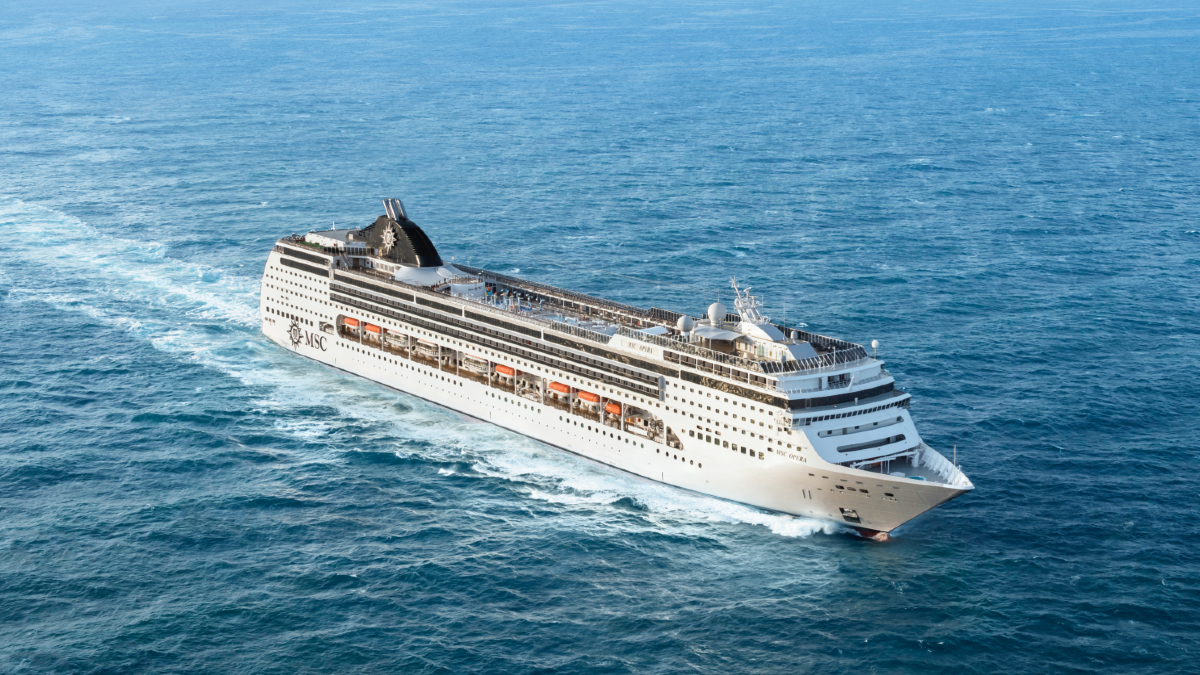
In his role as CLIA global chairman, MSC executive chairman cruise division Pierfrancesco Vago told the audience in the opening session at Seatrade Cruise Global, that CLIA’s 2023 passenger forecast shows passenger volumes will exceed those for 2019 – putting the industry back on a “positive trajectory”. Between 27M and 33M passengers are expected this year; by 2026 these figures will reach nearly 39M passengers – 30% higher than 2019’s total.
But Mr Vago warned, “An enormous amount of work is required including efforts to attract a new wave of first-time cruisers.”
CLIA president Kelly Craighead highlighted a healthy orderbook: 14 new ships are set to come from CLIA this year, while the orderbook to 2028 shows 62 newbuilds, representing US$40Bn worth of investment.
One of the hottest topics at the convention was, of course, alternative fuels and how to achieve net zero. Mr Vago said in his opening speech that 60% of newbuild capacity will rely on LNG for primary propulsion, and by 2028, the global fleet will include 38 ships powered by LNG. Meanwhile, 40% of global cruise has the capacity for shoreside electricity and 90% of newbuild capacity will be ready to support shoreside power.
And when it comes to battery power, there are currently 23 cruise ships in operation that use some form of hybrid battery power, according to the latest figures from DNV’s Alternative Fuels Insight.
While great strides are being made in battery propulsion and alternative fuels such as methanol and ammonia, the role of LNG is still powerful, with some of its challenges greatly reduced. This was seen in the conference session A Fuel in Transition: LNG’s Fossil Free Future.
There, it was highlighted how the challenge of methane slip has been greatly reduced, with Carnival Corp senior vice president of maritime affairs Tom Strang underlining the advances being made here: massive improvements from engine manufacturers, new abatement technologies and commitment from both manufacturers and producers to reduce methane slip.
Both he and other panel members underlined the important role LNG has to play in hitting the 2050 targets, with its options to move to bio and e-methane.
In contrast, bio and e-LNG don’t have all these different elements in them. Mr Strang said, “These are much better fuels – they will be more efficient and you can get more power out of them, and they won’t have the derating requirement, so there are lots of advantages.
“If we can get to the stage for bioLNG to come into the supply chain, then we are already well ahead of the chain.”
The cruise industry is moving towards the future.
Sign up for Riviera’s series of technical and operational webinars and conferences in 2023:
- Register to attend by visiting our events page.
- Watch recordings from all of our webinars in the webinar library.

Related to this Story
Damen develops fuel-flexible ASD tug designs
Events

© 2026 Riviera Maritime Media Ltd.


