


Business Sectors
Business Sectors
Events
Contents

Ammonia conference charts course from roadblock to route map


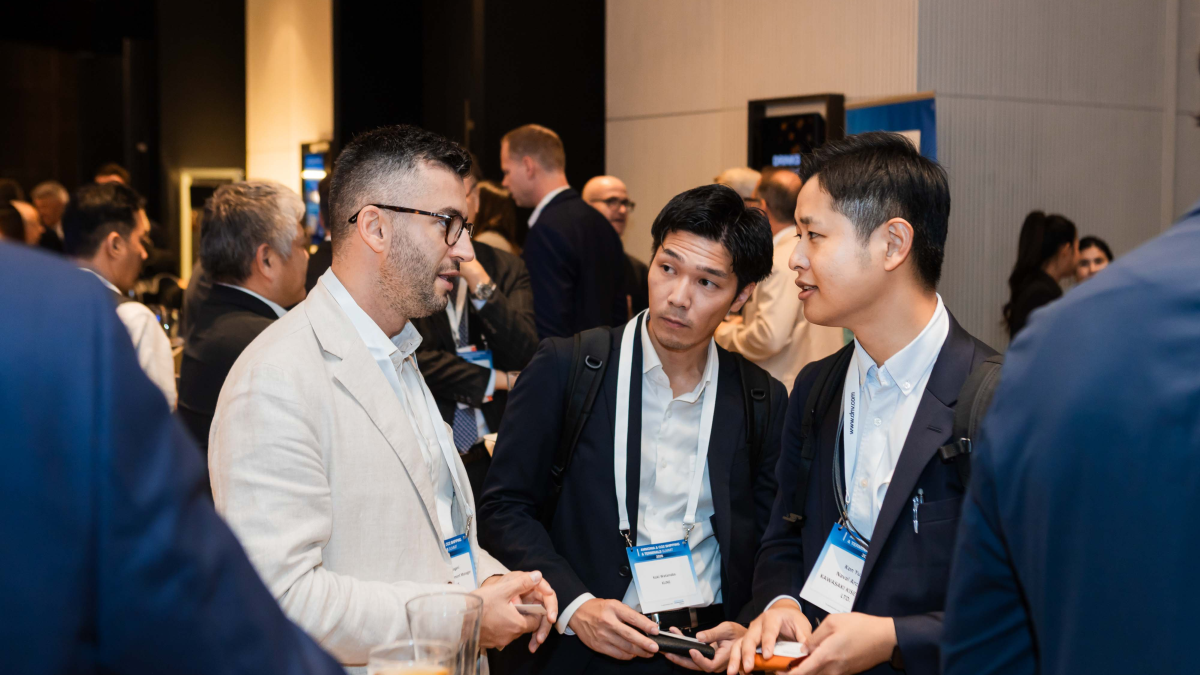
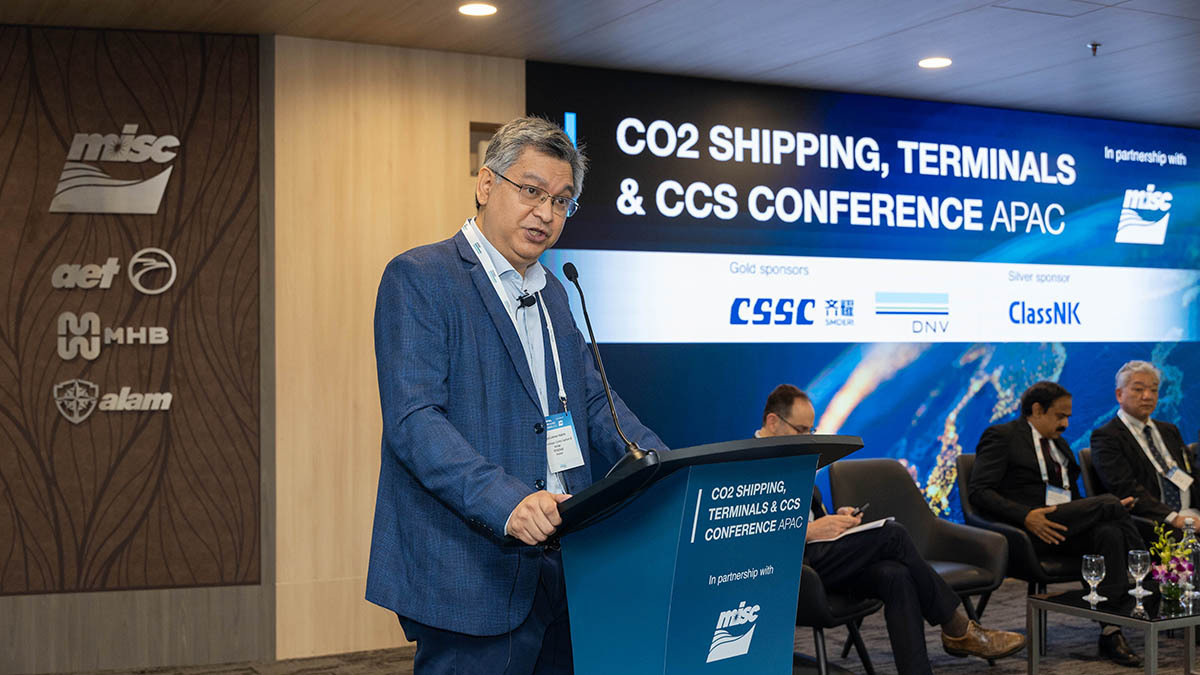
On the Monday of Gastech week, Riviera Maritime Media’s Ammonia & CO2 Shipping & Terminals Summit, run in partnership with DNV, put producers, advisers, financiers, port developers and the operators of the first commercially traded ammonia-fuelled voyage on one stage.
The numbers shared told a story of constraint and opportunity. Global ammonia demand stands at 192 million tonnes a year, with fertiliser accounting for 80 per cent and less than 10 per cent traded across regions. Around 10 million tonnes of clean capacity is under construction to 2030, more than half of it blue.
On delivered cash cost into Northeast Asia, Middle East blue ammonia still lands cheaper than Australian green despite a US$33 a tonne freight disadvantage. The colour label matters less than carbon-intensity thresholds in Korea, Japan and the EU, which will decide bankability. Low-intensity projects gain a durable edge.
Exmar’s Christophe Coppé described four years of engine tests and a delivery moved from January to June so that the first commercial voyage, China to India on ammonia, would work first time. Fortescue’s Andrew Hoare put the Australia to China corridor first, with a billion tonnes of cargo and Chinese green ammonia now in the low US$600s ex-factory.
Pilbara ship-to-ship trials continue next quarter. Car carriers from Höegh follow next year. Every panel closed on the same three asks: binding offtake, bankable projects and an IMO framework restored to the timetable. The path may not be linear. But the direction is clear.
A summit that paid for itself in specifics
Producers stated offtake positions on the record, with one blue project targeting 70 per cent of volume contracted by final investment decision and 30 per cent destined for marine fuel. Advisers explained the JERA contract as a template in which government covers the gap between low-carbon and reference prices for two to three years, allowing NYK and MOL to sign long charters. Port developers set out ship-to-ship approval pathways, and Singapore’s first bunkering operator argued for flexibility over long-term commitment.
The event allowed charterers, enginemakers and financiers to ask producers of green ammonia what it costs floating off a cheap-power coast, hear the answer depend on the kilowatt price, and then hear a blue producer explain 15-year fixed-price gas contracts under Western Australia’s domestic reservation policy.
Those that missed the event get to read this piece. Those present left with counterparty names, corridor timelines, indicative pricing and the attribute-transfer question every charterer paying for a green molecule must now answer.
Register now for the LNG Shipping & Terminals Conference, London, 13 to 14 October 2026, and continue the conversation with the people who are writing the contracts. For more information on attendance, exhibiting and sponsorship email ian.pow@rivieramm.com


Comms Navigation








Comms Navigation






© 2026 Riviera Maritime Media Ltd.


