


Business Sectors
Business Sectors
Events
Contents

Shipping UK 2026: The day the industry stopped waiting for calm


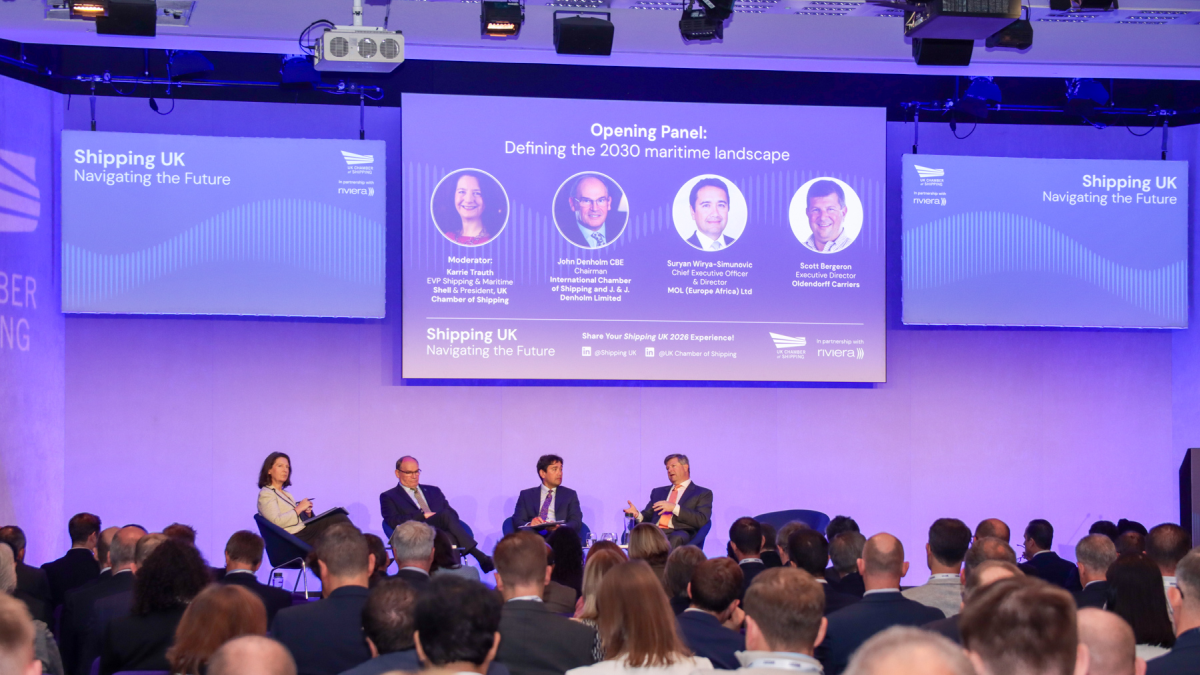
A clear message emerged from naval officers, bankers, shipowners and technology specialists at Shipping UK. Disruption is no longer an interruption to the market. It is the market. Those who recognise this first will be best placed to prosper.
Why it mattered
The conference opened against a stark backdrop: ships under attack in the Strait of Hormuz and gilt yields at their highest level in 28 years.
Rhett Hatcher, chief executive of the UK Chamber of Shipping, launched the organisation’s refreshed strategy. In a video address, IMO Secretary-General Arsenio Dominguez outlined the organisation’s work on autonomy, digitalisation and fuel safety. Parminder Kohli, five days into his role as head of the UK Office for Investment, assured investors that the government was ready to support the sector.
What the panels said
Chamber president Karrie Trauth of Shell opened the programme alongside John Denholm of the International Chamber of Shipping, Suryan Wirya-Simunovic of MOL and Scott Bergeron of Oldendorff. Their discussion covered the stalled IMO carbon-pricing deal, competing regional regulations, shipping tolls and crew welfare in the Gulf.
In the morning breakouts, Jos Standerwick of the Baltic Exchange led Stephen Gordon of Clarksons Research, Christopher Cook of Maersk and Peter Aylott of the UK Chamber of Shipping to a striking conclusion: disruption is creating demand for ships. The sector’s weak links increasingly lie ashore, in ports, rail networks and planning systems.
A panel led by Phil Parry of Spinnaker, with Marie Cooper of Zodiac Maritime, Philip Fullerton of Clyde Marine Training and Hajnalka Kiss of V.Group, argued that seafarers remain with employers that keep their promises and make training an owner-led priority.
Andy Harmer of CLIA chaired a discussion with Donnacha O’Driscoll of Carnival UK, Fran Collins of Red Funnel and Kasper Moos of P&O Ferries. They examined the local economic value of cruising, grid constraints affecting electric ferries and continuing friction at borders.
Katrina Ross from the UK Chamber of Shipping moderated a panel featuring Claire Wright of Hanwha Ocean Europe, Paul Taylor of Société Générale and the Poseidon Principles, and Olivia Cullen of Norton Rose Fulbright. The panel concluded that capital is available. Banks remain reluctant to carry the risks associated with emerging technologies.
Security and technology
After lunch, Major General Paul Maynard linked maritime security directly to national security. He challenged the industry to define its wartime role now, rather than waiting for a crisis.
Peter Aylott moderated a panel with John Stawpert of the ICS, Neil Roberts of the Lloyd’s Market Association and Andy Brown of UKMTO. Their discussion focused on the gravest maritime threats since 1945. It also examined sanctions and the availability of war-risk cover.
Stephen Brown of Shell led Virginia Crosbie of NEMO, Alex Green of MOL and Amine Kireche of CMA CGM through a discussion on methane abatement, hydrogen, carbon capture and nuclear power.
Krystyna Tsochlas of G2 Ocean, Tan Keng Khoon of Jotun, Michael McNaul of Seapeak and Frode Helland-Evebø of SMDERI examined hull performance and condition monitoring. They also discussed the first ship-to-ship transfer of captured carbon.
Nick Chubb of Thetius chaired a session with Gert-Jan Panken of Viasat/Inmarsat, Jeremy Steventon-Barnes of V.Group and Sarah McCann of NorthStandard. They considered how artificial intelligence is shortening development cycles and helping to reduce close-quarters incidents.
The value of the room
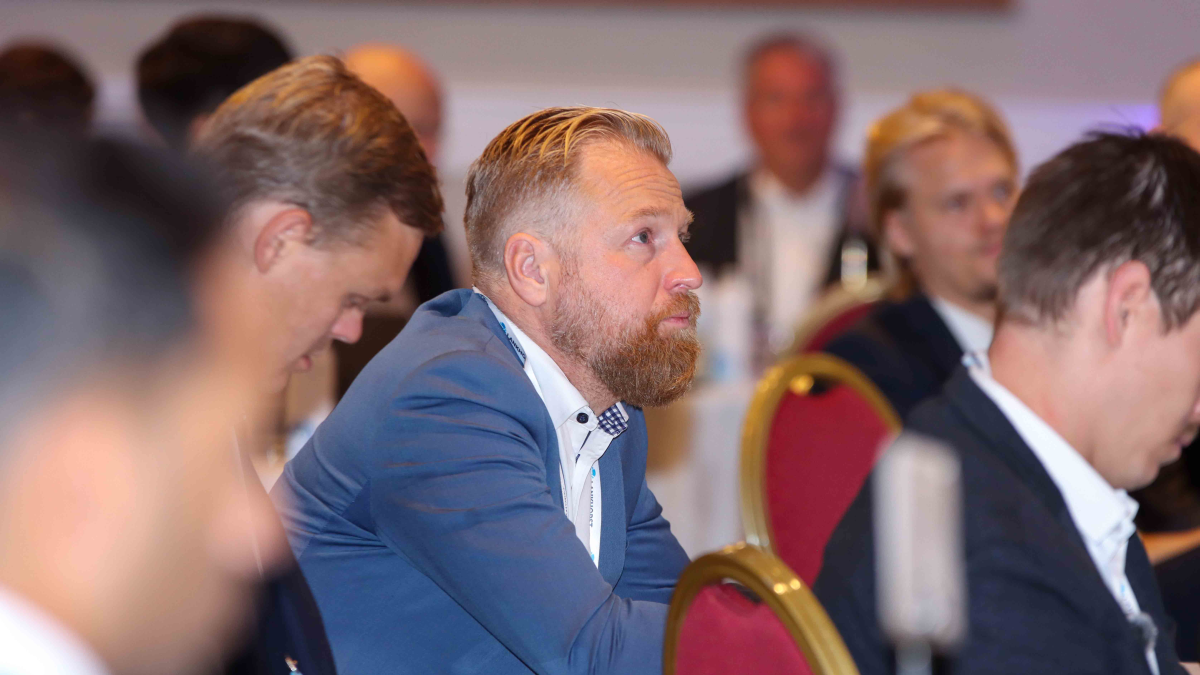
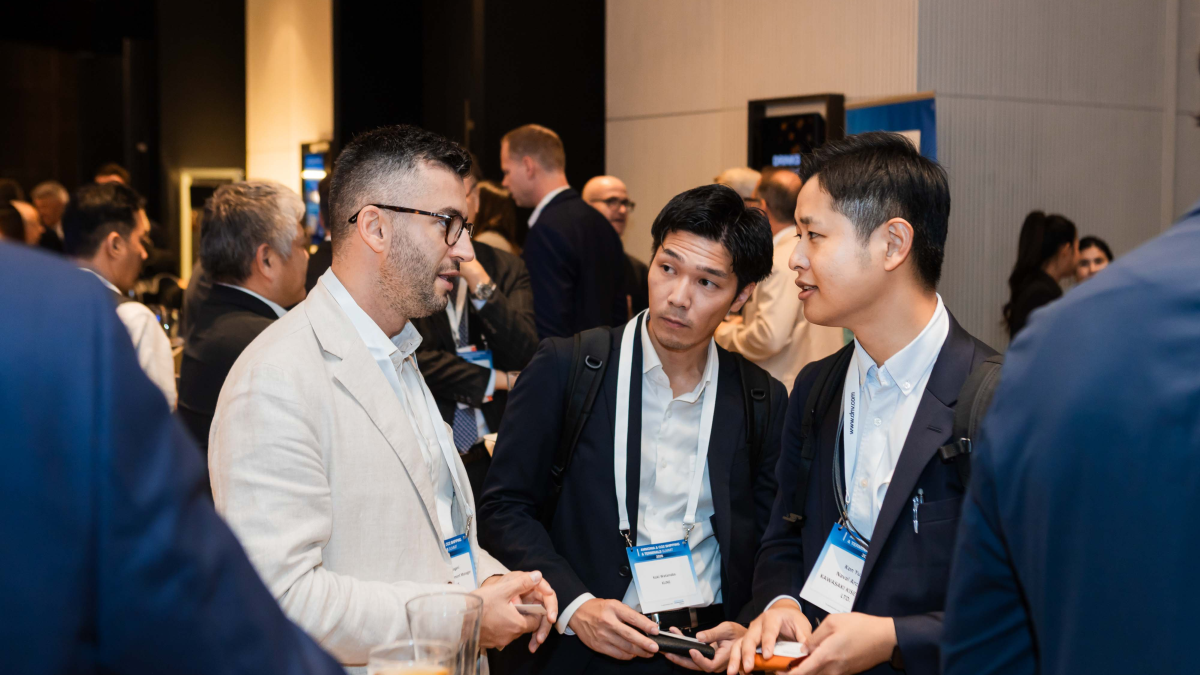
The event brought together more than 40 senior industry voices. Parallel breakouts fed into plenary readouts. Twenty-one exhibitors showcased their work. An evening reception provided space for new relationships and deals to begin.
The cost of missing it
Rhett Hatcher closed the conference with four commitments and a challenge to turn ideas into action. Karrie Trauth also returned to the stage to reflect on the day’s discussions.
Delegates left with a clearer view of where tonnage demand, capital and policy are heading. Those who stayed away may already be a step behind.
Shipping UK took place on 6 October 2026 at the QEII Centre in Westminster. It was hosted by the UK Chamber of Shipping in partnership with Riviera Maritime Media.


Comms Navigation






Comms Navigation






© 2026 Riviera Maritime Media Ltd.


