


Business Sectors
Business Sectors
Events
Contents

London charts LNG shipping’s next decade


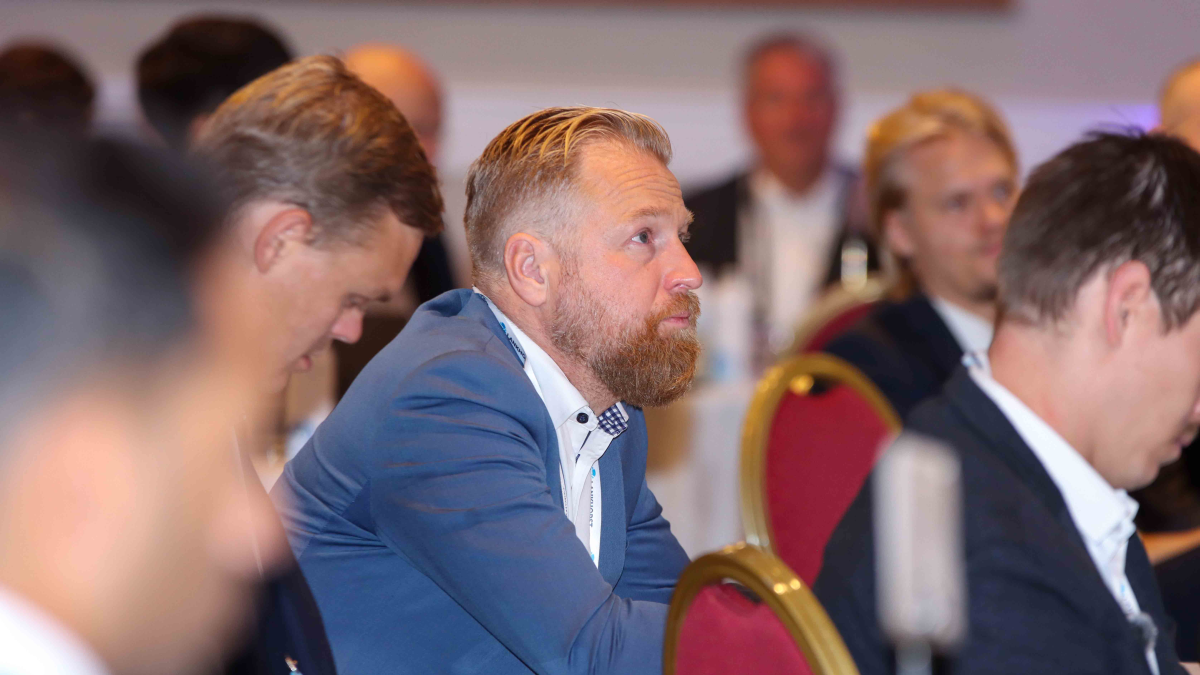
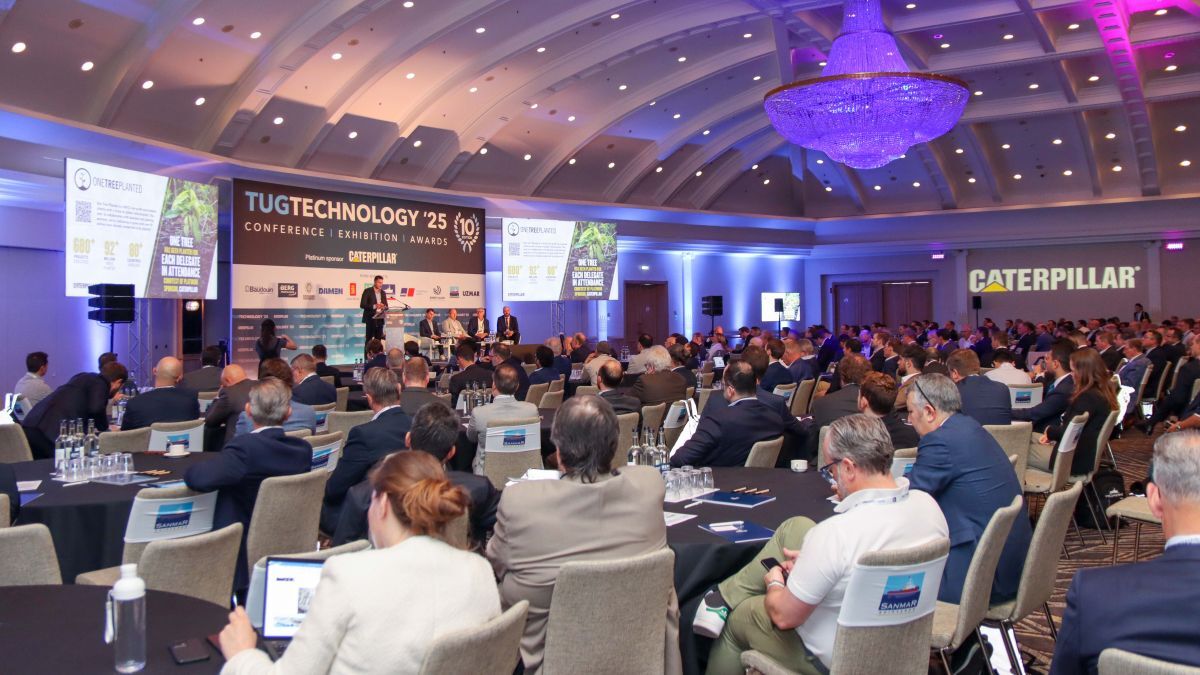
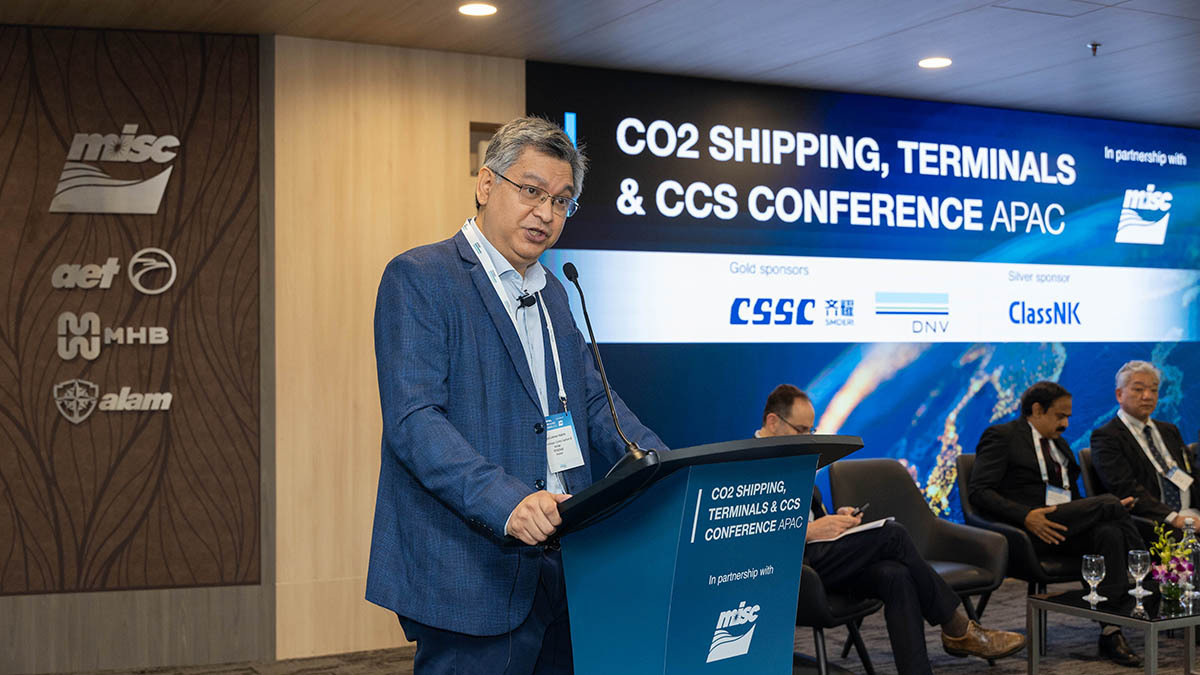
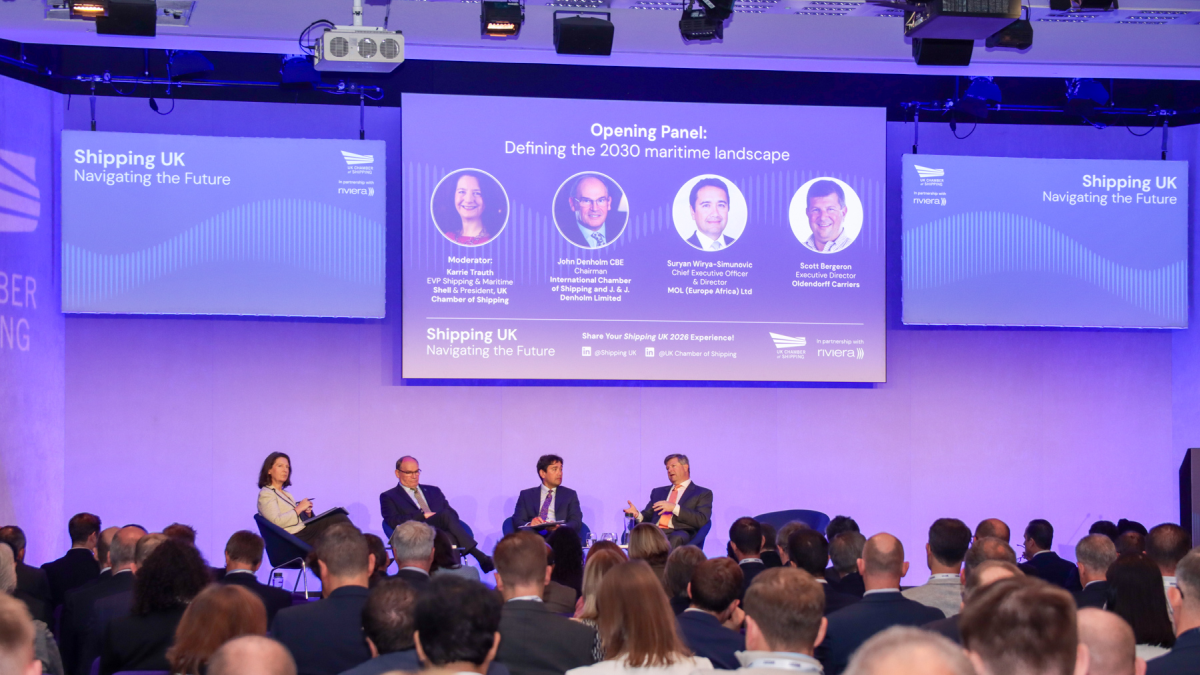
LNG shipping is turning a supply shock into a reset. With close to a fifth of supply shut behind Hormuz since March, freight has softened even as gas stays dear, handing charterers a buyer’s market and owners of efficient ships an edge. Floating regasification offers about 20 projects still to win by 2032, and the first wind-assisted LNG carrier is already trading. That was the picture at Riviera’s LNG Shipping & Terminals Conference in London on 13 and 14 October, where owners, charterers, class societies and technology pioneers set out the roadblocks, the responses and the timeline to 2040.
Key talking points
FTI Consulting director Luis Lopez explained that expensive gas now supports rates mainly through boil-off costs, which squeeze older ships. FTI models rates near $40,000 a day until the strait reopens, with a rebound if gas holds. DNV’s James Milne put the order book at 37% of the fleet.
Floating regasification is the clearest growth story. Fearnleys director Erik Nikolai Stavseth tracks about 300 FSRU projects and expects around 30 to proceed by 2032, with ‘20 left for the taking’. Conversions at US$200M to US$250M and 27 to 30 months undercut newbuilds at US$320M to US$340M and up to 40 months, giving the best mid-size carriers a second career. Energos Infrastructure’s Captain Devendra Kumar recalled a Wood Mackenzie forecast that the market doubles by 2040.
New designs are reaching the water. MOL’s Fujin Sailor entered service with Chevron in late September as the first wind-assisted LNG carrier, and a second, for Tokyo Gas, follows by year-end. Shell technology manager Stephen Brown said Shell’s hybrid-electric design has reached cost parity for tankers. Hanwha Ocean has approval in principle for an LNG or ammonia tank, and GTT said BW has ordered the first three-tank carriers. A bound4blue and Cryosafe study found no showstoppers for suction sails.
Existing ships are earning longer, cleaner lives
Lloyd’s Register counts more than 250 carriers turning 20 by 2030 and has introduced a notation allowing cargo tank entry every seven and a half years. Mr Brown said Shell’s methane abatement catalyst has logged 2,400 hours on a Singapore bunker vessel.
Safety and contracts are keeping pace. Whitehill Manufacturing chief executive Elizabeth Huntley linked early mooring line failures to deck heat and urged temperature monitoring. Dyneema launched SK80, which it says doubles fatigue life, and OCIMF is inviting operators to shape MEG5. Pronav managing director Martin Roolvink urged volunteer-only crews for high-risk transits and closer attention to fatigue.
Day-two chair Andrew Brown of Smit Lamnalco said SIGTTO is reviewing its emergency response guidance, and Stephenson Harwood partner Kirsty MacHardy advised defining ‘methanol-ready’ precisely.
The calendar is set. Shell’s catalyst trial runs to January 2027, when the EU’s Russian LNG ban also bites. Yard slots are largely filled to 2030 and FSRU visibility runs to 2032. Supply of about 540 million tonnes should pass 700 million within a few years, Mr Stavseth said.
Business and networking value
The strategies were practical. Centrica senior LNG freight trading manager Stefan Panov argued that optionality, from diversion rights to freight derivatives, beats narrow efficiency. Hanwha Ocean Europe’s Paul McStay urged designs that keep decarbonisation options open. Mr Milne advised newbuild buyers to open yard talks now, with 2029 slots scarce. Partnerships were on show: Shell with Wärtsilä and MOL with Chevron and Tokyo Gas. The International Registries reception, coffee breaks and roundtables let delegates pursue those threads.
Much of the value lived in the room. When a Shell delegate rose to clarify Shell’s safety requirements, the FSRU panel engaged directly, a candid exchange no slide deck captures. Delegates posted 93 Slido questions that steered debate, and speakers invited follow-ups over drinks. Those absent missed the timing signals: which FSRU projects still have life, when yard slots run out and how peers are rewriting charters.
Do not wait for the next disruption. Register now for Riviera and The Floating Energy Forum in London on 12 May 2027, and be in the room when the next decisions are made. For more information please contact Edwin.lampert@rivieramm.com
The LNG Shipping & Terminals Conference returns to London October 2027. For more information please email ian.pow@rivieramm.com


Comms Navigation







Comms Navigation






© 2026 Riviera Maritime Media Ltd.


