


Business Sectors
Business Sectors
Events
Contents
Register to read more articles.
Design flexibility moves to front of shipbuilding
Fuel choice, efficiency and regulation now have to be assessed together at concept stage, notes vessel designer Deltamarin


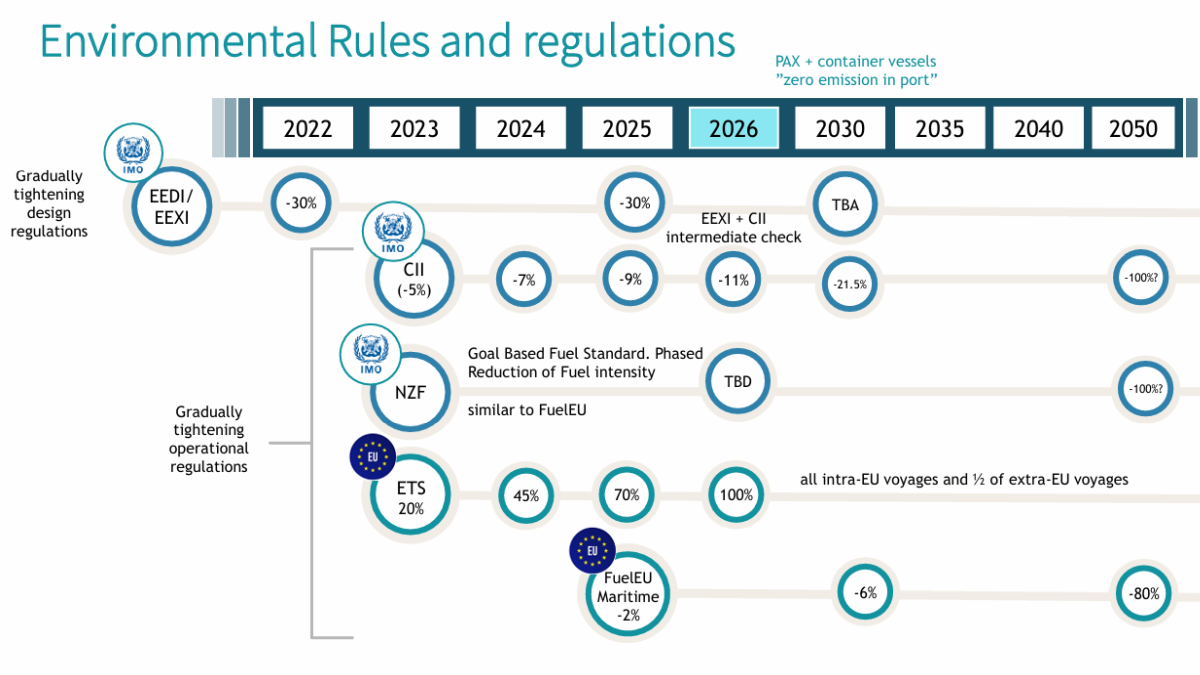
Finnish vessel design and naval architecture house, Deltamarin, notes that shipowners are making earlier design decisions on fuel flexibility, energy-saving devices and long-term compliance, as decarbonisation rules tighten and fuel pathways remain uncertain.
Deltamarin managing director Esa Jokioinen said the company has seen a sharp change in client preferences since 2020 and that “90% of our clients are waiting alternative green fuels, and only 10% are going for only conventional fuel.”
He also said that, of 85 vessels under construction to Deltamarin designs, only seven had selected conventional fuel, while LNG and methanol were the main alternative fuel choices, and four ammonia dual-fuel ships are also under construction.
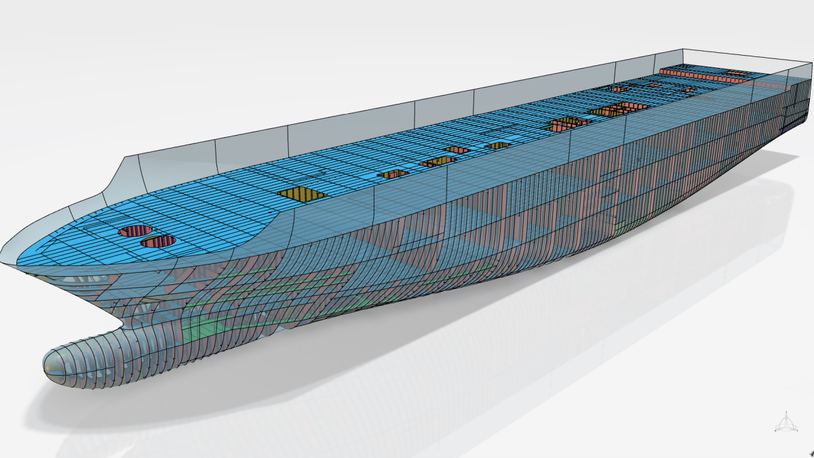
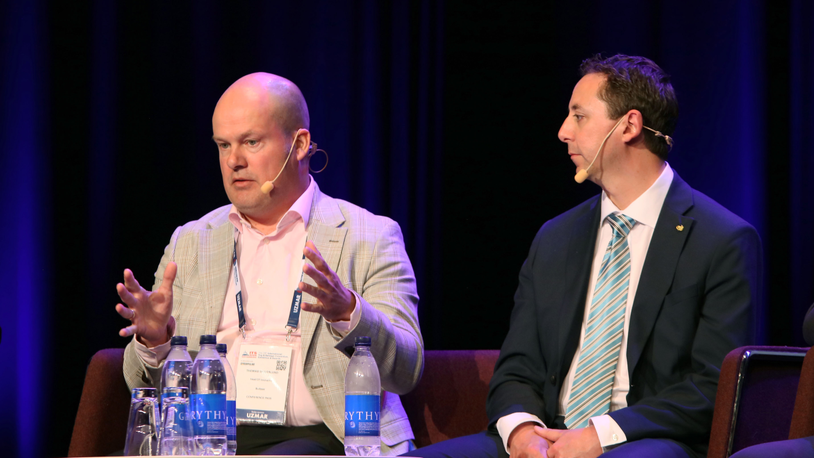
Deltamarin head of research and development, Mia Elg, said designers now have to consider fuel choice, operational profile, machinery interaction and future regulation together, rather than optimise around a single design speed or one machinery concept.
“Everything is connected in a ship’s energy system,” she said, adding that it is no longer enough to assess performance over a typical week or year because compliance exposure now stretches “decades ahead”.
Deltamarin design and project engineer Juuso Reunamo said owners should avoid overcommitting too early, but should still study the implications of later conversion.
He described three levels of readiness – minimal, intermediate and full – and said intermediate readiness is the most common.
He noted that an LNG fuel system costs “around US$6M”, while an LNG system with an ammonia-ready tank adds about US$1M at the newbuild stage.
The retrofit alternative is much higher, with the presentation putting the tank-related addition at about US$10M, rising to as much as US$20M, including extensive steel work.
Sign up for Riviera’s 16 June 2026 CO2 Shipping and Terminals Conference:
- Register to attend here: The CO2 Shipping and Terminals Conference 2026, London.
- View the latest issue of Tanker Shipping & Trade here: Tanker Shipping & Trade.
Related to this Story

Events

Maritime Regulations Webinar Week
 16 Dec 2025
 GMT - ONLINE
Floating energy: successfully unlocking stranded gas using FLNGs and FSRUs
24 Feb 2026GMT - ONLINE
© 2026 Riviera Maritime Media Ltd.


