


Business Sectors
Events

Floating energy: successfully unlocking stranded gas using FLNGs and FSRUs
 24 Feb 2026
 GMT - ONLINE
Contents
Flooding through hatch, watertight bulkhead causes towboat to sink
A compromised access hatch and unsealed penetrations in a transverse bulkhead caused a US towboat to flood and sink, despite it passing a US Coast Guard inspection


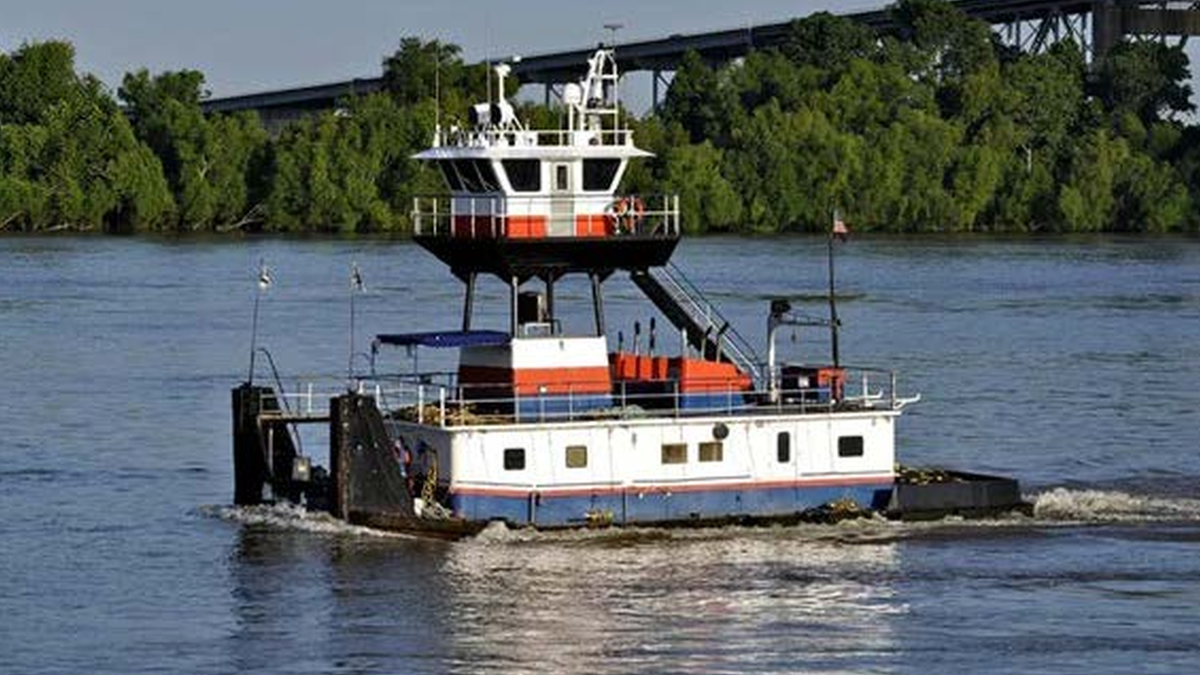
Multiple issues were found to have caused the flooding and sinking of a 1978-built towing vessel on the Mississippi River in Louisiana, USA, in Q2 2024.
Towing vessel Cajole was upbound on the Lower Mississippi River near Waggaman, Louisiana, on 12 June 2024 when it began flooding and eventually sank.
Two crew members were rescued by a nearby vessel after failed attempts to pump out water from the SCF Fleeting-owned, Weber Marine-operated towboat, with its sinking causing US$2M damage.
During an investigation by the US National Transportation Safety Board (NTSB), inspectors found the probable cause of the flooding and sinking of Cajole was “likely a compromised flush-mounted access hatch, which allowed water to flood into a forward void space, and unsealed penetrations in a transverse bulkhead, which allowed for progressive flooding aft into the engineroom.”
In its report, the NTSB urged towboat owners to inspect their vessels to ensure the integrity of the hull and watertight bulkheads to prevent water ingress and flooding.
“Any deficiencies must be appropriately addressed,” said the NTSB. “Issues with watertight integrity, including unsealed watertight bulkhead and deck penetrations, and deck and hull plate wastage, need to be addressed by permanent means.”
The US Coast Guard (USCG) assisted the NTSB in its accident investigation and advised, “Ensure electrical cables and conduits, piping runs, remote valve actuators, and other components that penetrate watertight bulkheads, decks, and compartments are inspected frequently and properly maintained.”
Sealing mechanisms using glands with packing assemblies, penetration seals, or other methods, need to be checked regularly.
“Frequent inspection and proper maintenance of these various fittings and assemblies will assist in minimising the possibility of progressive flooding,” said the USCG.
In the Cajole accident, other factors may have led to the water ingress and sinking, which happened just two weeks after a USCG inspection.
In its accident report, the NTSB said the casualty voyage was the first time both crew members had been on board Cajole after it underwent a shipyard stay, and they had not communicated with the previous crew.
“While the vessel was similar to other vessels they had worked on before, they had very little time to assess the overall status of the vessel or its systems before getting underway,” said the NTSB.
“Therefore, when the captain discovered flooding in the engineroom, he was not prepared to address it. While an alarm sounded, the captain did not know what it indicated.”
If the crew were more familiar with the 20-m towboat before getting underway, they may have responded more rapidly and effectively to the flooding.
“Because the captain was unfamiliar with the vessel, he was uncertain of what to do in the situation, leading him to call the port engineer for guidance,” said the NTSB in its report.
In addition, Cajole’s portable pump did not have fuel, so it could not be used to support water pumping from internal spaces by other devices.
During the emergency response, the crew activated the engineroom bilge pumps and used four portable pumps from supporting vessels.
But “the pumps could not keep up with the rate of flooding, which indicates a large opening, such as an access hatch opening, was needed to produce this rate of flooding,” said the NTSB.
Around two weeks before the casualty, a USCG inspector found that piping and electrical wire conduits between the forward auxiliary space and engineroom were not properly sealed and therefore, not watertight.
“Operating company personnel sealed the piping and electrical wire conduits, and the inspector signed off that the repairs were completed satisfactorily,” said the NTSB.
“However, based on the flooding the captain saw coming through at least one of the conduits, the repairs the crew had made during the USCG inspection were likely not completely effective.”
The 28th International Tug & Salvage Convention, Exhibition & Awards will be held in Gothenburg, Sweden, in association with Caterpillar, 19-21 May 2026. Use this link for more details of this industry event and the associated social and networking opportunities.
Related to this Story

NZF delay: what next for IMO’s headline policy?

Events

Maritime Regulations Webinar Week
16 Dec 2025GMT - ONLINEFloating energy: successfully unlocking stranded gas using FLNGs and FSRUs
24 Feb 2026GMT - ONLINE
© 2024 Riviera Maritime Media Ltd.


