


Business Sectors
Business Sectors
Events
Contents
Register to read more articles.
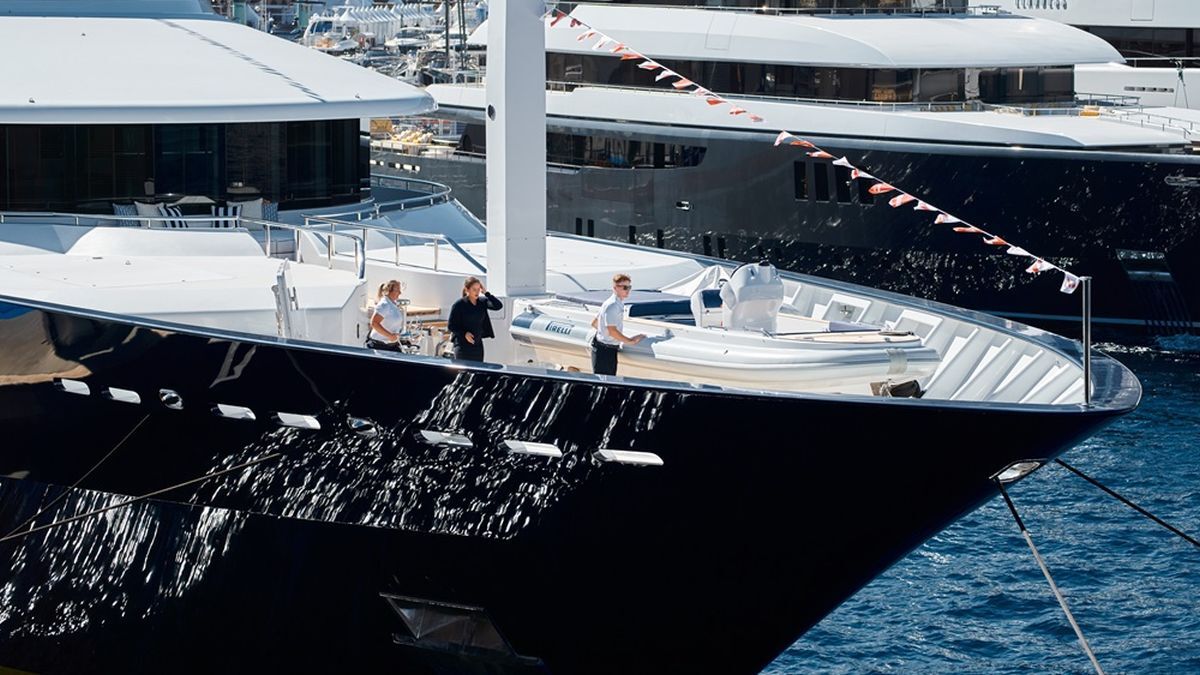
Larger superyachts lift ballast water system demand
The growth in yachts above 60 m is increasing demand for integrated ballast water treatment in newbuild projects


BIO-UV Group said the growth in super- and mega-yacht newbuild deliveries is expected to lift demand for integrated ballast water treatment systems, with the company forecasting its own yacht installations this year will be about double the number completed in the previous year.
The company said it currently has between five and 10 yacht installations scheduled for delivery this year, supported by new agreements with major yacht builders in northern and southern Europe.
The company linked that demand to the expanding fleet of larger yachts.
BIO-UV Group BIO-SEA business development director Maxime Dedeurwaerder said, “Industry projections indicate the continued expansion of the global fleet toward 2030.”
He added, “As yachts increase in size and complexity, onboard ballast water treatment systems are becoming central to the design specification and systems integration process.”
Mr Dedeurwaerder said some designers had previously looked for ways to avoid installing ballast water treatment systems, but that attitudes were changing as yacht size increased.
He said some projects had historically been configured to reduce ballast discharge requirements through hull optimisation and tank arrangement strategies, especially where cruising profiles were predictable.
He also said that, although this had been technically feasible in some cases, operational experience had changed views.
Explaining that shift, Mr Dedeurwaerder said, “With experience and competitive pricing, it is less beneficial to design a yacht in a way to avoid installing a ballast water system.”
He added, “There are still differing views in the design community, but integration is increasingly seen as the practical solution.”
BIO-UV Group said its rising orderbook reflected market standing and yard relationships rather than immediate regulatory pressure.
Mr Dedeurwaerder said, “We entered three new yards in the past year while maintaining our existing customers.”
The demand identified by the company has centred on a compact filtration and ultraviolet-based ballast water treatment system designed for low flow rates of 13 m³/h to 30 m³/h.
The source also said the system is chemical-free, contains no active substances or by-products, and can be supplied as a covered skid for installation outside the machinery room, including in hangars, garages or open spaces. A modular loose-component version is also available.
The company said the wider commercial ballast water treatment market has levelled off following retrofit cycles, but it viewed the large yacht segment differently.
Mr Dedeurwaerder said, “Yes, the large yacht market remains a specialised sector. But it is one where we see continued expansive development.”
BIO-UV Group said forecasts for continued growth in the upper yacht size brackets support its expectation that the segment will remain a steady contributor to its newbuild and retrofit portfolio in the years ahead.
Sign up for Riviera’s series of technical and operational webinars and conferences:
- Register to attend by visiting our events page.
- Watch recordings from all of our webinars in the webinar library.

Related to this Story

Events

Maritime Regulations Webinar Week
 16 Dec 2025
 GMT - ONLINE
Floating energy: successfully unlocking stranded gas using FLNGs and FSRUs
24 Feb 2026GMT - ONLINE
© 2026 Riviera Maritime Media Ltd.


