


Business Sectors
Events
Floating energy: successfully unlocking stranded gas using FLNGs and FSRUs
 24 Feb 2026
 GMT - ONLINE
Contents
Marine ESS units developed with LFP chemistry for longer life
Manufacturers are introducing onboard energy storage with lithium iron phosphate cells with higher power density and longer lifetimes


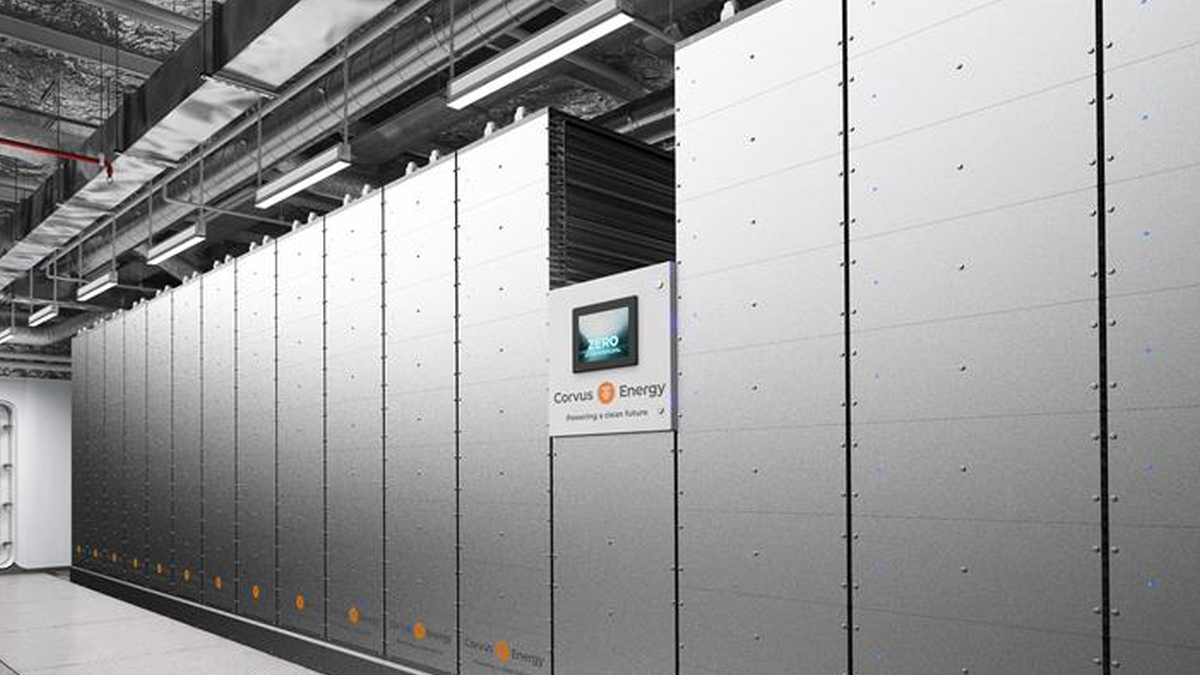
Corvus Energy has introduced its next-generation energy storage system (ESS) with a longer life and greater charging capacity for vessels.
Blue Whale NxtGen has higher energy density than previous marine batteries, cobalt-free lithium iron phosphate (LFP) cells, a prolonged lifetime of up to 15 years and a 1C charge and discharge rate.
Corvus said its first Blue Whale NxtGen will be ready, along with a battery-management system, for delivery to newbuild or retrofit projects in Q4 2026.
The ESS product launch in Q4 2025 came as Corvus strives to gain a larger market share in China, where more vessels are being built with energy storage and hybrid propulsion.
In December 2025, Corvus signed a memorandum of understanding (MoU) with BYD Energy Storage to collaborate on advancing next-generation battery solutions in the maritime sector.
“We are well-positioned to bring new products to market faster”
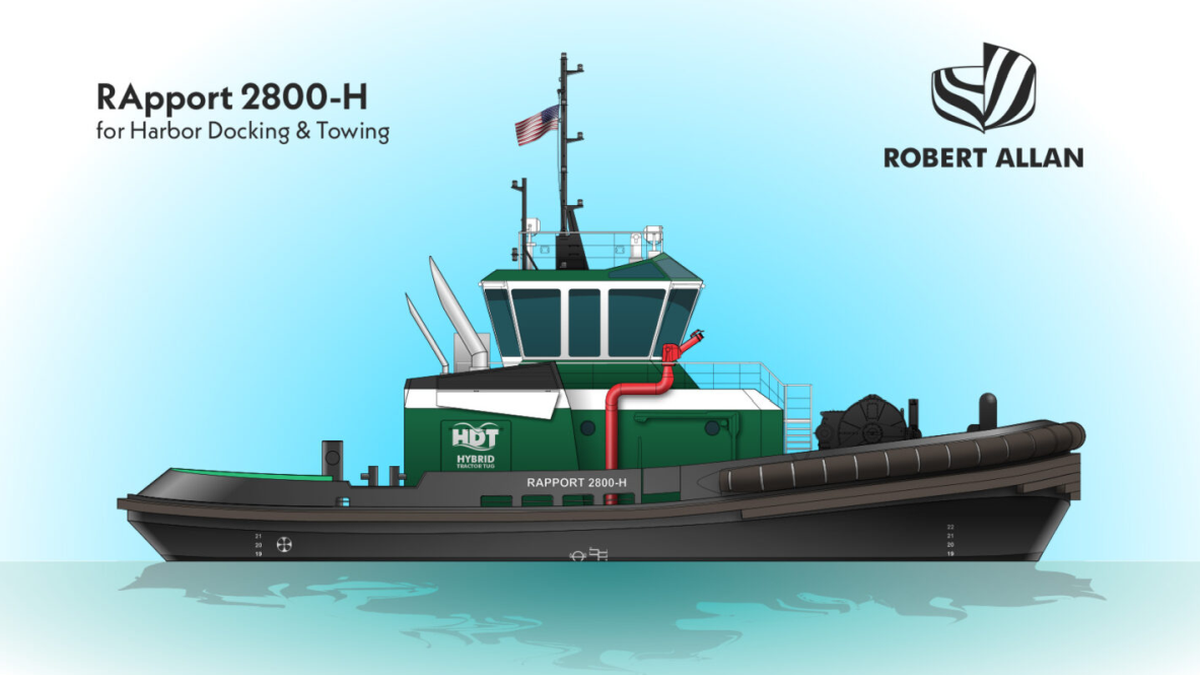
BYD’s experience with LFP technology for onshore power applications will be paired with Corvus’ expertise in ESS marine applications, including being a leading provider of batteries to electric-powered tugs.
“This MoU represents a significant step forward,” said Corvus Energy head of operations in Asia, Ole Jacob Irgens.
“We are well-positioned to bring new products to market faster and meet the evolving needs of the shipping industry.”
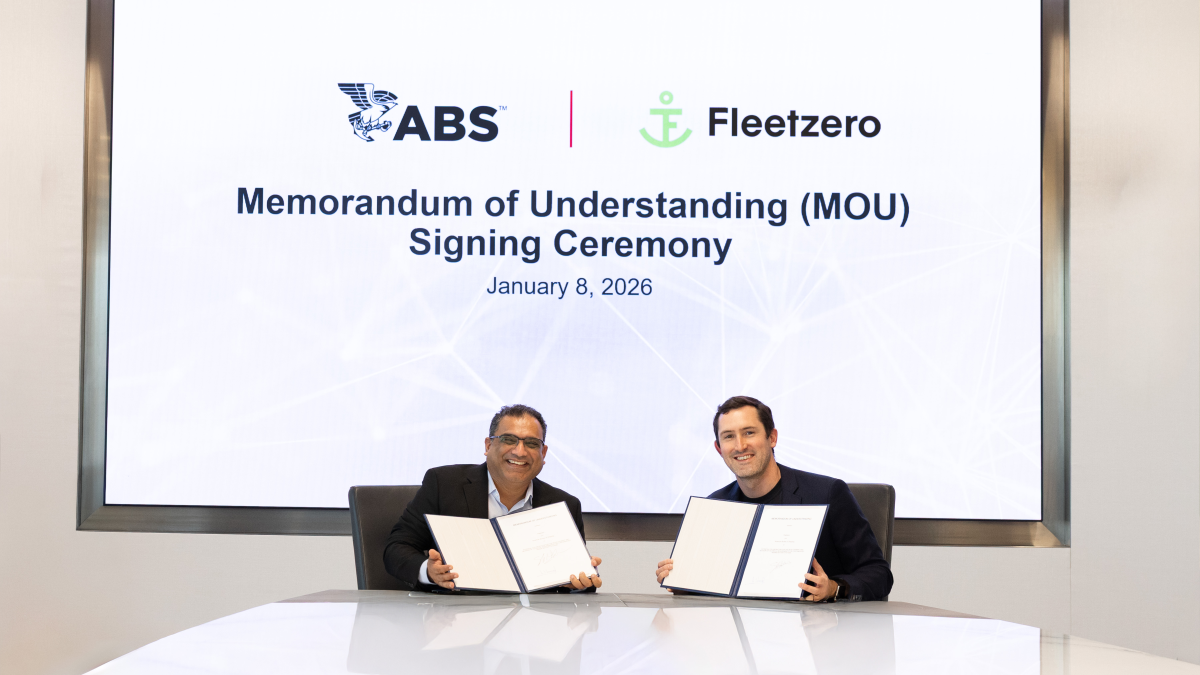
In another MoU, classification society ABS has teamed up with Fleetzero to jointly explore the technical requirements for containerised marine battery systems.
They have formed a framework to consider designs and to develop testing mechanisms and control procedures for onboard ESS units.
Fleetzero has designed and tested its Leviathan modular ESS in accordance with ABS, DNV, RINA, Lloyd’s Register and ClassNK rules, and installed one on its test ship, Pacific Joule, which was retrofitted with a containerised propulsion system.
In Australia, Svitzer has replaced ESS modules on its fleet of escort tugs supporting gas carriers at Chevron’s Gorgon LNG production and export plant with LFP batteries.
It removed and recycled the original nickel manganese cobalt batteries, replacing them with AYK Energy’s LFP modules, which offer greater energy density, on Svitzer Boodie, Svitzer Dugong, Svitzer Euro and Svitzer Perentie.
These tugs, with 80 tonnes of bollard pull, have diesel-electric propulsion and have been working at the Gorgon terminal in Western Australia since 2012.
In total, AYK built more than 5 MWh of battery capacity as part of its deal with Svitzer, equating to 1.3 MWh on each tug of energy storage. These take just 1.5 hours to fully recharge.
In the UK, Anaphite has raised money from the government and venture capital funds Elbow Beach and World Fund to develop batteries with dry-coated LFP cathodes and graphite anodes for ESS units, as it works with module manufacturers and integrators.
ABB and HDF Energy have agreed to jointly develop a high-power fuel-cell unit for marine applications. They intend to develop MW-scale hydrogen fuel cells for various vessel applications, building on an MoU signed in 2020.
France-based HDF will provide its fuel-cell technology, while ABB will deliver power converters and management systems, DC grid and electrical and control integration.
Riviera’s Annual Offshore Support Journal Conference, Awards & Exhibition 2026 will be held in London on 3-4 February 2026. Use this link for more information and to register for the event.

Related to this Story

Events

Maritime Regulations Webinar Week
16 Dec 2025GMT - ONLINEFloating energy: successfully unlocking stranded gas using FLNGs and FSRUs
24 Feb 2026GMT - ONLINE
© 2024 Riviera Maritime Media Ltd.


