


Business Sectors
Events

Floating energy: successfully unlocking stranded gas using FLNGs and FSRUs
 24 Feb 2026
 GMT - ONLINE
Contents
Register to read more articles.
Methanol narrows the gap with LNG as fuel of choice for box ships
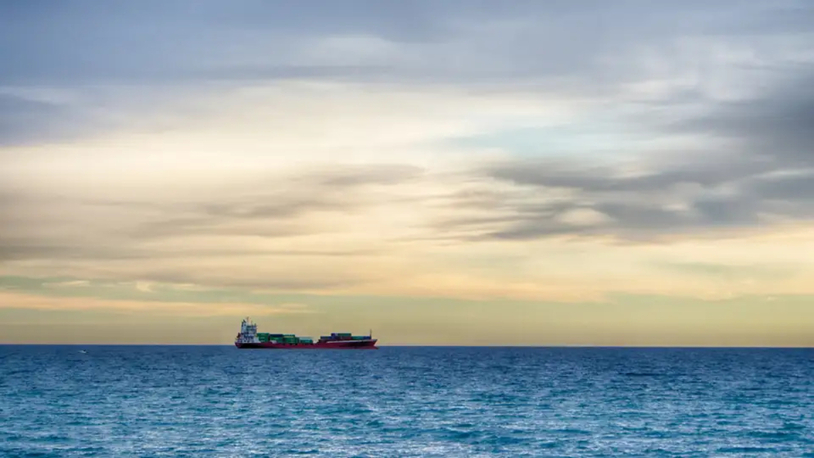
Methanol has significantly narrowed the gap with LNG as an alternative fuel of choice among container lines, but the orderbook suggests green versions of both fuels will be needed to underpin the sector’s decarbonisation efforts


According to DNV’s Alternative Fuel Insights, 55 LNG dual-fuel container ships are operating and 196 are under construction, while there is one methanol dual-fuel vessel – Maersk’s feeder ship due to be named this month – in service and 142 on order.
Overall, DNV forecasts that in 2028, some 204 methanol dual-fuel vessels and 949 LNG dual-fuel ships will be in service.
Some shipowners and charterers see both fossil fuels as viable alternative fuel choices in their decarbonisation transition because they offer immediate reductions in greenhouse gas emissions versus traditional marine fuels, with the potential to switch to greener versions when they become more widely available.
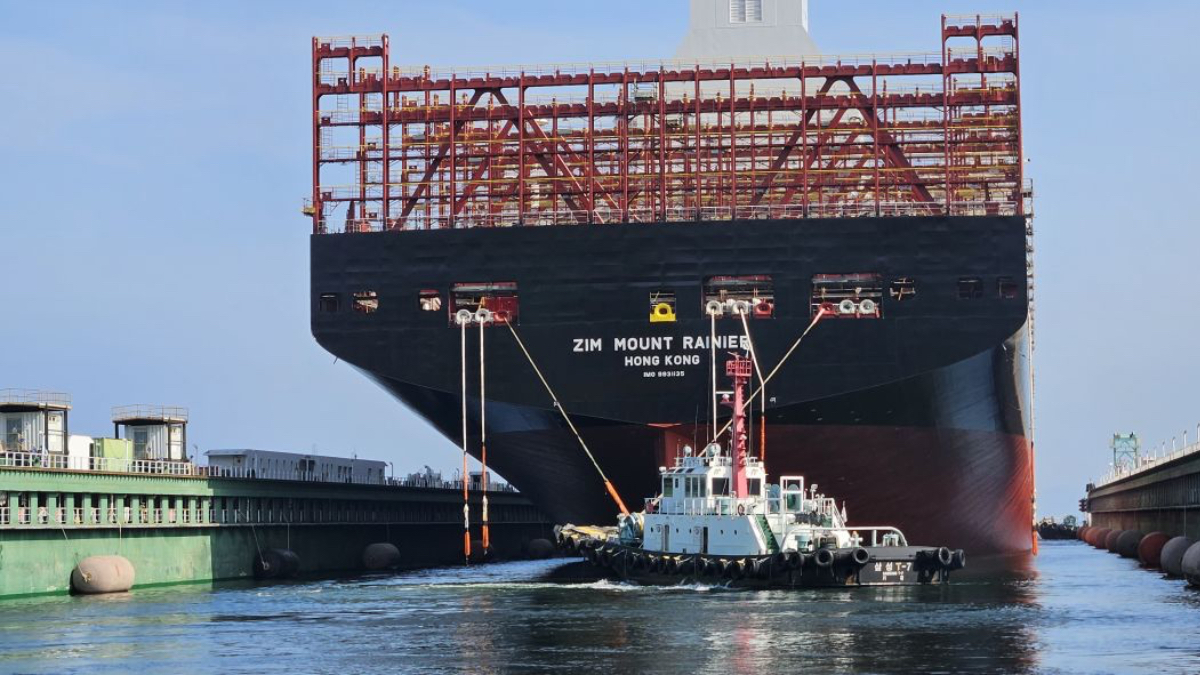
One owner that sees the environmental benefits of both fuels is Seaspan Corp. It has taken delivery this month of ZIM Mount Rainier, the fifth in a series of 10 LNG dual-fuel, 15,000-TEU container ships. The Neo-panamax box ship docked on 31 August at KE Quay at Samsung Heavy Industries in South Korea.
In July, the Hong Kong-based owner and operator announced it would retrofit 15 and potentially up to 60 box ships to methanol dual-fuel ME-LGIM engine technology. The agreement with MAN PrimeServ, MAN Energy Solutions’ after-sales and service arm, is being done in collaboration with liner company Hapag-Lloyd.
Seaspan is even dabbling in ammonia through a collaboration on a 15,000-TEU ultra large container ship (ULCS).
Other container liner companies are hedging their bets, too. Wärtsilä reports it will deliver LNG fuel gas supply systems (FGSSs) for four 23,000-TEU LNG dual-fuel container ships under construction at China’s Hudong-Zhonghua for CMA CGM. The first two of these ships will join the French owner’s fleet in Q4 2025, followed by the second pair in H2 2026. Wärtsilä said it has been contracted to supply 30 CMA CGM box ships with FGSSs.
Earlier, Wärtsilä reported it was supplying methanol-fuelled four-stroke auxiliary engines for six 15,000-TEU container ships being built at Dalian Shipbuilding for CMA CGM. Each of the ships will have three six-cylinder and one seven-cylinder Wärtsilä 32M engine fitted with selective catalytic reduction systems.
In July, CMA CGM confirmed an order for 10 24,000-TEU ULCSs from Chinese shipbuilder Yangzi Mitsui. Deliveries for the ULCSs will stretch over 2026 and 2027, according to BRL Weekly Newbuilding Newsletter.
Getting ready for methanol
Methanol is making its move in the feeder sector. Among the most interesting developments is a potential 21-ship order from a speculative venture between German and Dutch owners for the north European trade. All the 1,074-TEU newbuilds would be built with methanol-ready MAN ES engine technology, with a total potential investment of US$630M, according to BRL.
Owners Visser Shipping, HS Schiffahrts, Jungerhans & Co, Wessels Inc and Hans-Peter Wegener are involved in the speculative venture, with newbuild deliveries starting in August 2025.
X-Press Feeders has ordered 14 methanol dual-fuel ships, comprising eight 1,170-TEU and six 1,250-TEU feeder vessels, the first of which will join its fleet in Q4 2024. In July, X-Press Feeders inked a deal with OCI Global to supply OCI HyFuels green methanol from the Port of Rotterdam starting in 2024. The fuel producer has been in the spotlight as of late, supplying biomethanol to Maersk’s methanol dual-fuel box ship on its 21,500-km maiden voyage from Hyundai Mipo Dockyard in South Korea to Copenhagen, Denmark. The vessel will enter the northern European trade.
Riviera’s two-day Maritime Decarbonisation, Europe: Conference, Awards & Exhibition 2023 returns to Amsterdam on 26-27 September 2023, seeking to bring clarity to regulatory directions and decarbonisation pathways for both newbuilds and existing vessels
Related to this Story
Events

Maritime Regulations Webinar Week
16 Dec 2025GMT - ONLINEFloating energy: successfully unlocking stranded gas using FLNGs and FSRUs
24 Feb 2026GMT - ONLINE
© 2024 Riviera Maritime Media Ltd.


