


Business Sectors
Business Sectors
Events
Contents
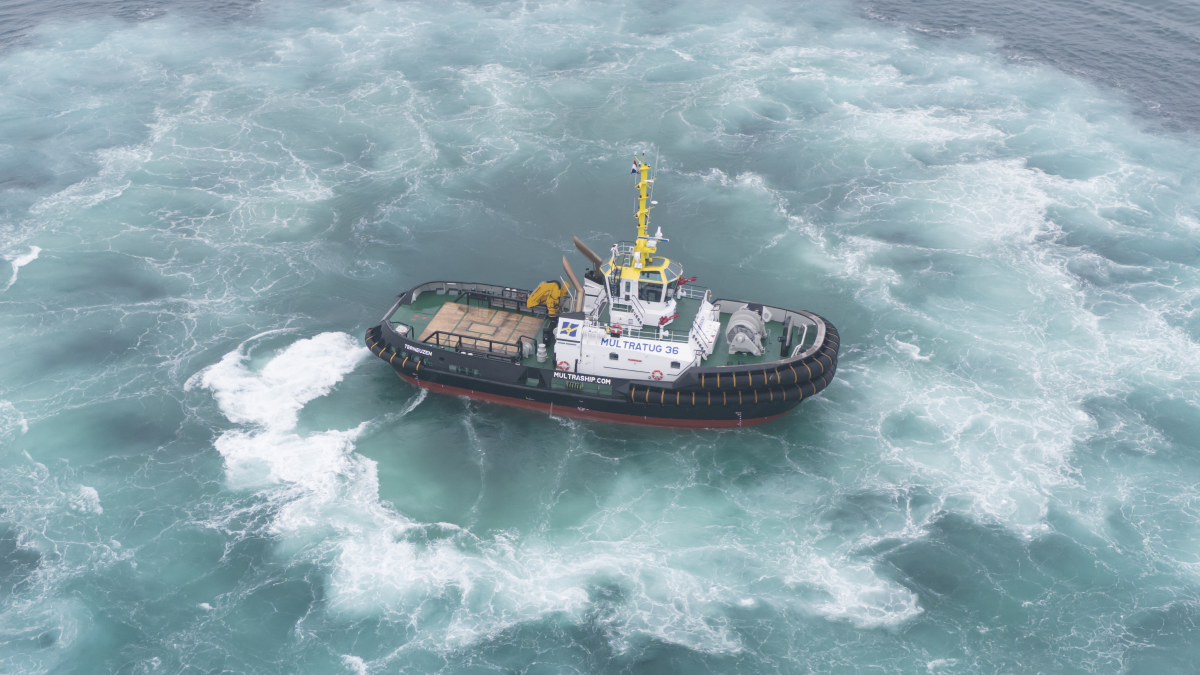
Multraship Towage & Salvage: innovating for tomorrow’s challenges
From using cleaner fuels to onboarding more data-led decisions, tug and salvage operators are innovating today to ensure they are ready for the incidents of tomorrow


Increases in maritime salvage operations over the past year has shown that the need for effective, proactive and multi-service support from leading tug and salvage players has become more critical.
According to a recent report from the International Salvage Union (ISU) there has been a growing number of cases involving larger vessels carrying higher quantities of bunker fuel, making tug and salvage operations more complex.
Ships are increasingly carrying significant quantities of pollutants, particularly container vessels that are transporting hazardous materials, such as nurdles that are major threats to marine environments.
For maritime areas in Northern Europe, the rise in vessel incidents and risk of pollutants in ecologically sensitive areas is an ongoing concern, said Multraship Towage & Salvage senior executive Eline Muller.
Developing and maintaining a professional tug and salvage industry that can support these types of larger and more complex incidents is vital, she told International Tug & Salvage.
That is why tug owners are innovating their fleets to be able to respond to the widening range of incidents they have faced in recent years.
“The whole tug and salvage industry must adapt to the evolving challenges of modern maritime operations,” said Ms Muller.
“To do that, we are increasingly realising the importance of innovating and building a healthy and specialised mix of vessels to support both today’s operations and those in the future.”
Innovation in fleet development is being driven by the increased use of technology and data to support daily operations, “as well as ensuring our fleet offers long-term environmental and operational benefits, both in port and at sea,” Ms Muller added.
“At Multraship, we are already making a difference by investing in new vessels, analysing different fuel options and training our crews to use data more effectively to create more well-rounded and sustainable capabilities that can be relied on during routine and crisis situations,” she said.
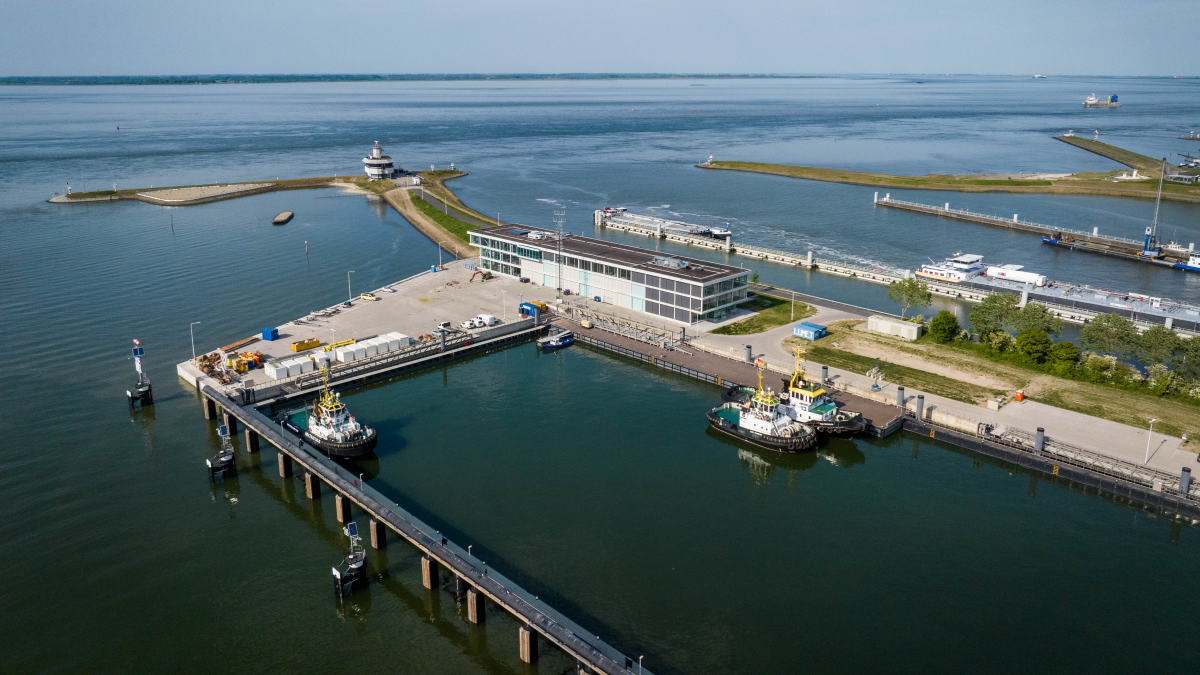
Marine environments in Northern Europe are home to multiple sensitive sea areas and emissions control areas that require tug owners and operators to adhere to strict environmental regulations.
In that regard, Terneuzen, the Netherlands-headquartered Multraship has introduced several sustainability initiatives in recent years to minimise the carbon impact of its vessels and operations.
Reducing reliance on traditional bunker fuels remains a firm objective for Multraship and, since 2023, it has been looking at multiple alternative fuel options to minimise the ecological impact of its fleet while remaining operationally effective.
One of the leading cleaner fuels it has turned to is hydrotreated vegetable oil (HVO) as it acts as an immediate drop-in replacement for conventional bunker fuels without the need to modify its engines.
“Right now, we are looking at the benefits of adopting HVO 2 and HVO 50 fuels for our emergency response and towing vessels, including Multraship Commander and Multraship Protector, as we continue to improve the sustainability credentials of our fleet,” said Ms Muller.
“HVO is a much better long-term fuel for our vessels as it is better for our engines and the wider fuel system.”
However, adoption of cleaner fuels comes with higher costs, particularly if they are harder to source and store than diesel or HVO.
“Balancing the use of cleaner fuels with the financial and operational impact is one of the biggest challenges facing modern tug and salvage vessel operators,” said Ms Muller.
“We approach the use of greener fuels with great caution”
“There are many choices in play when it comes to greener fuel choices. Multraship wants to be as environmentally friendly as possible, but we must consider the financial impact of doing so,” she said.
“Our vessels are long-term investments, so we approach the use of greener fuels with great caution.
“When it comes to innovating and investing in cleaner fuel options, we want to ensure we are doing this in a responsible and sensible way that aligns closely with our commercial needs and the culture of our teams,” she noted.
Multraship owns three emergency response and towing vessels,12 seagoing tugs, 17 harbour and seagoing tugs, three tugboats operating on inland waterways, five crane barges for salvage and marine construction and four fast response vessels.
“Our unique advantage is that we fully own our assets, so we can make choices that benefit our vessels, our crews and our partners,” said Ms Muller.
“We are able to make long-term financial, operational and environmental decisions as we do not rely on chartered equipment or external resources, so we are able to innovate in-house and build a modern and specialised fleet that is designed for the future.”
Data-driven decisions
Across the shipping and towage landscape, owners and operators are increasingly turning to data to help innovate and improve the efficiency levels of their vessels and operations.
Multraship is using data to make informed decisions to drive the efficiency of its activities and vessels and enable crews to become more aware of their own operational impact.
“In 2025, Multraship launched a new data-led system to collate the operational and technical data of our vessels,” said Ms Muller.
“We have modified some of our tugboats with new sensors to collect this data, which includes daily fuel usage and running hours. Right now, we are analysing this data and exploring how we can innovate and change the way we do things to make us more efficient and provide better services.”
Through data analysis, Multraship will calculate how much fuel is consumed during conventional harbour and offshore towage and gain greater understanding of how its crews are responding to complicated manoeuvres.
“We are using data to educate our crews, keeping them highly skilled, and empowering them to make smarter and better decisions, while also giving them the room to innovate in their own roles and daily operations,” said Ms Muller.
“One of the key elements of improving innovation for the tug and salvage industry is to give our crews the skills, training and resources they need to be able to adapt and excel in an ever-changing and more complex maritime industry,” she said. “Data and technology is a major part of that evolution.”
The 28th International Tug & Salvage Convention, Exhibition & Awards will be held in Gothenburg, Sweden, in association with Caterpillar, 19-21 May 2026. Use this link for more details of this industry event and the associated social and networking opportunities.
Related to this Story

Events

Maritime Regulations Webinar Week
 16 Dec 2025
 GMT - ONLINE
Floating energy: successfully unlocking stranded gas using FLNGs and FSRUs
24 Feb 2026GMT - ONLINE
© 2026 Riviera Maritime Media Ltd.


