


Business Sectors
Business Sectors
Events
Contents
14 WinGD X52 engines set for delivery following successful tests


Winterthur Gas & Diesel’s Generation X low-speed diesel engine range, the X52, successfully completed both its factory acceptance test (FAT) and type-approval test (TAT).
The newly-certified engine is the five-cylinder version of the 520mm bore X52 diesel from Winterthur Gas & Diesel (WinGD), and completion of the important TAT and FAT signals that the X52 is ready for commercial applications. Testing took place at the Shanghai engine works of WinGD licensee Hudong Heavy Machinery Co, part of shipping and shipbuilding conglomerate China State Shipbuilding Corporation.
The conclusion of the X52’s FAT and TAT is especially significant since this new engine type has already won a considerable advance orderbook. Including the test engine, 14 engines are already on order.
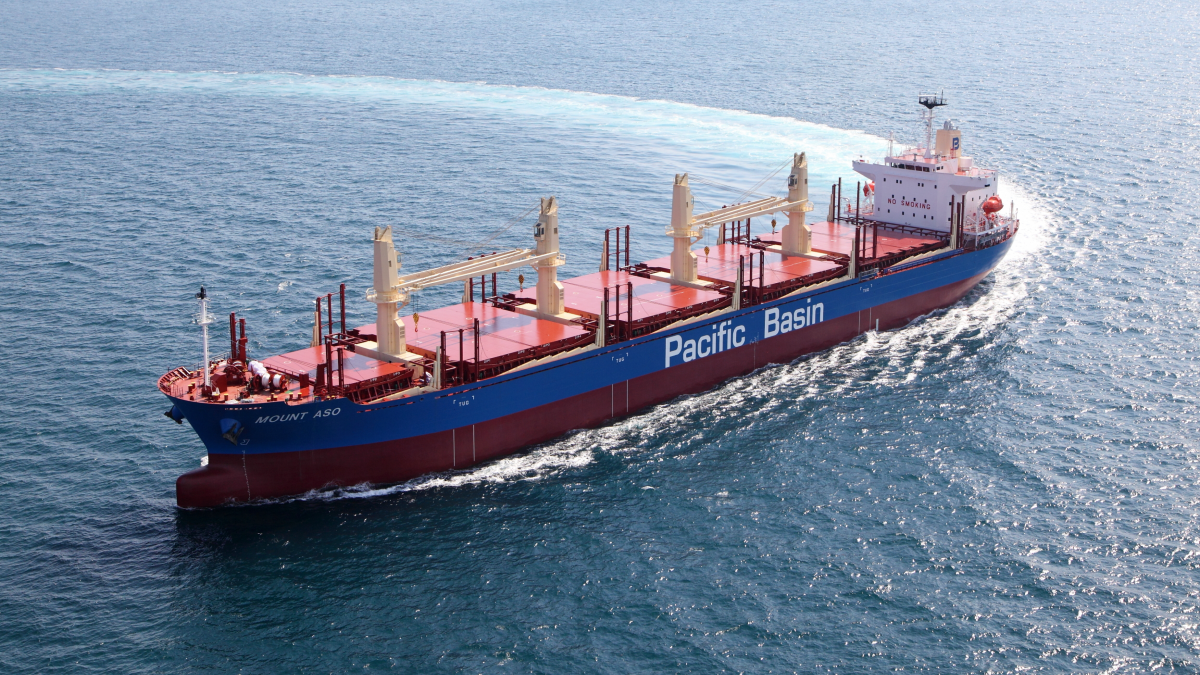
A 38,000 dwt bulk carrier being built at Guangzhou Wenchong Shipyard in Guangzhou, China, will be powered by the 5X52 on which FAT and TAT certificates were attained.
Of the 13 engines still on order, all will be six-cylinder 6X52s to be built in Korea. They include both IMO Tier II and Tier III emission compliance, with the Tier III engines featuring both low and high-pressure SCR. Eight of the engines include six 6X52 engine rated 7180 kW at 86.9 rpm and employing high-pressure SCR to achieve IMO Tier III compliance.
The Tier III engines will power a series of six 49,000 DWT petroleum products tankers. The other two engines with the same rated output are Tier II compliant and will be installed in two 50,000 dwt product tankers.
Finally, five 6X52s rated 8,200 kW at 80 rpm will power a series of five 60,000 dwt open hatch general cargo vessels. These X52 engines will be Tier III compliant thanks to the use of a low-pressure SCR system.
A number of factors underpin the X52's sales successes. The introduction of the Energy Efficiency Design Index (EEDI) has placed increased emphasis on lowering CO2 emissions and total vessel efficiency. The W-X52’s internal engine and propulsion efficiencies and the ability to apply various Power Take Off (PTO) arrangements for onboard electricity production, make it easier for shipyards to meet these requirements.
Equally, WinGD’s common-rail technology means that the engine produces no visible smoke and remains energy efficient at all loads. The W-X52 has also been designed to allow for easy retrofit of the two-stroke Dual Fuel technology, providing fuel flexibility to owners and operators.


Related to this Story


Events

Maritime Regulations Webinar Week
 16 Dec 2025
 GMT - ONLINE
Floating energy: successfully unlocking stranded gas using FLNGs and FSRUs
24 Feb 2026GMT - ONLINE
© 2026 Riviera Maritime Media Ltd.


