


Business Sectors
Business Sectors
Events
Contents
Register to read more articles.
Panama Canal, Maersk plan offshore charging for shipping
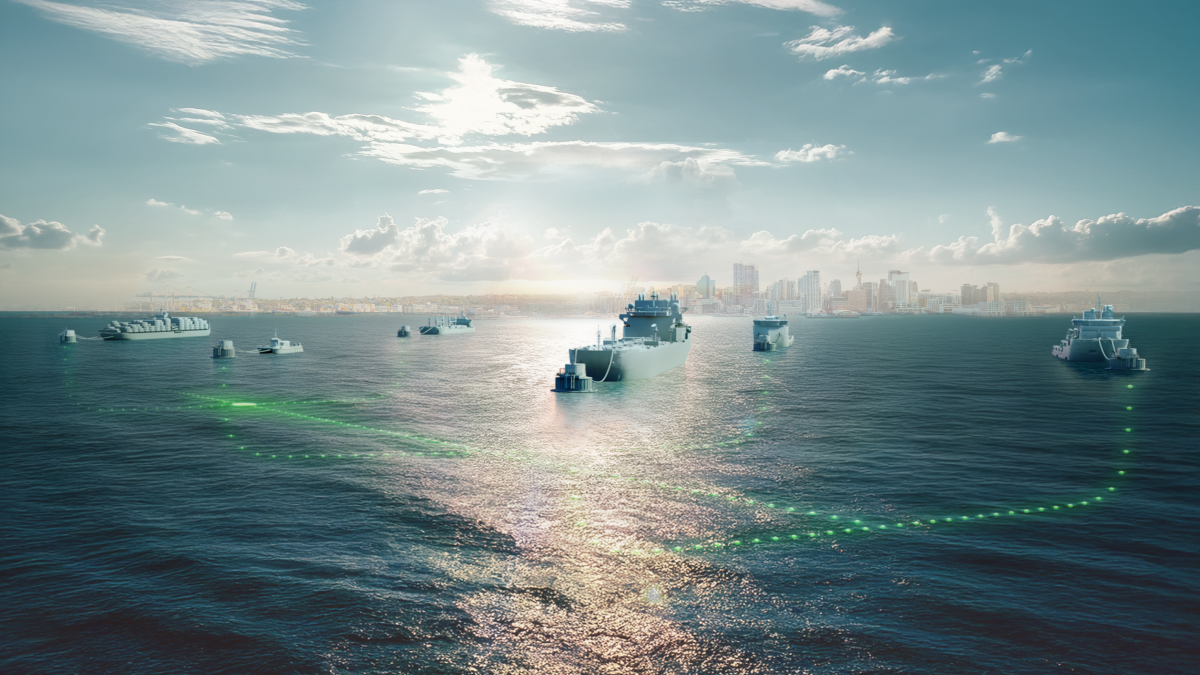
Offshore charging stations could be installed outside the Panama Canal for idling ships and marine service vessels, enabling them to use electrical power instead of engines and generators


Maersk group’s Stillstrom has signed a memorandum of understanding (MoU) with the Panama Canal Authority (ACP) to consider installing offshore charging technology to reduce emissions from idling vessels.
Energy storage systems on board pilot boats and escort tugs with hybrid or full-electric propulsion could also use them for charging, depending on the connectivity.
Around 14,000 vessels annually use the Panama Canal, which links the Pacific Ocean to the Caribbean, acting as a focal point for shipping.
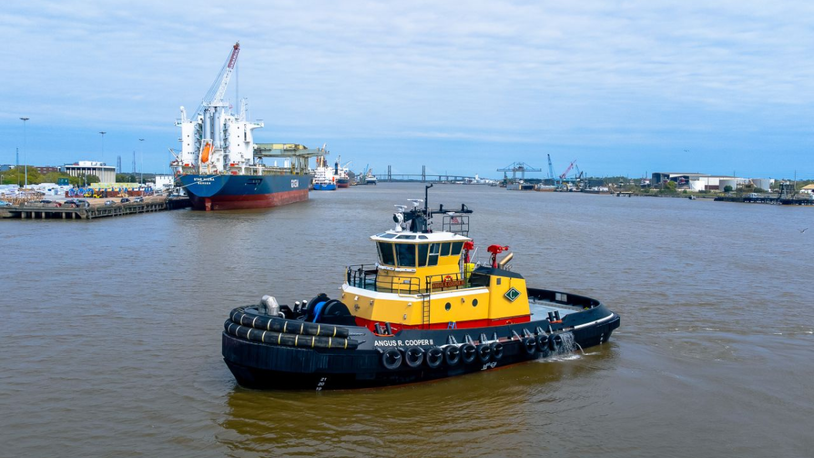
ACP is considering installing offshore charging units as part of its decarbonisation journey, as it is already reducing emissions from ship handling by investing in a new fleet of escort and harbour tugs that have batteries on board for hybrid propulsion. The first of these newbuild tugs was delivered by a Spanish shipyard in Q1 2025.
Stillstrom and the ACP will conduct a joint feasibility study to assess the potential for offshore charging solutions in the areas outside the canal. This study will evaluate how these systems could reduce emissions, improve air quality, and support the Panama Canal’s broader decarbonisation strategy.
“At the Panama Canal, we recognise bold innovation is essential to decarbonising global shipping,” said Panama Canal Authority deputy administrator and chief sustainability officer, Ilya Espino de Marotta.
“This collaboration with Stillstrom reflects our commitment to exploring cutting-edge solutions that reduce emissions not only in transit, but throughout the entire maritime logistics chain.”
Copenhagen, Denmark-headquartered Stillstrom’s offshore charging technology enables vessels to be charged while at anchor, potentially from renewable power sources, minimising the need for using diesel or heavy fuel oil generators, cutting NOx, CO2 and particulate matter emissions.
“Offshore charging has the potential to transform how vessels operate while waiting to transit, aligning with our vision for a cleaner, more resilient and more efficient future for world trade,” said Ms Marotta.
By leading this initiative, the Panama Canal aims to set a precedent for other major trade routes, proving sustainable shipping is not just an ambition but a practical and achievable goal.
“This partnership exemplifies the direction the maritime industry needs to take - embracing innovation to directly address the environmental impact of vessel operations,” said Stillstrom chief executive, Kristian Borum Jørgensen.
“By implementing offshore power and charging solutions, we are not only reducing CO2 emissions but also creating a pathway to cleaner air, cleaner seas and a more sustainable future for global shipping.”
Related to this Story


Events

Maritime Regulations Webinar Week
 16 Dec 2025
 GMT - ONLINE
Floating energy: successfully unlocking stranded gas using FLNGs and FSRUs
24 Feb 2026GMT - ONLINE
© 2026 Riviera Maritime Media Ltd.


