


Business Sectors
Events
Contents


Seaspan looks at small modular nuclear reactors for box ships
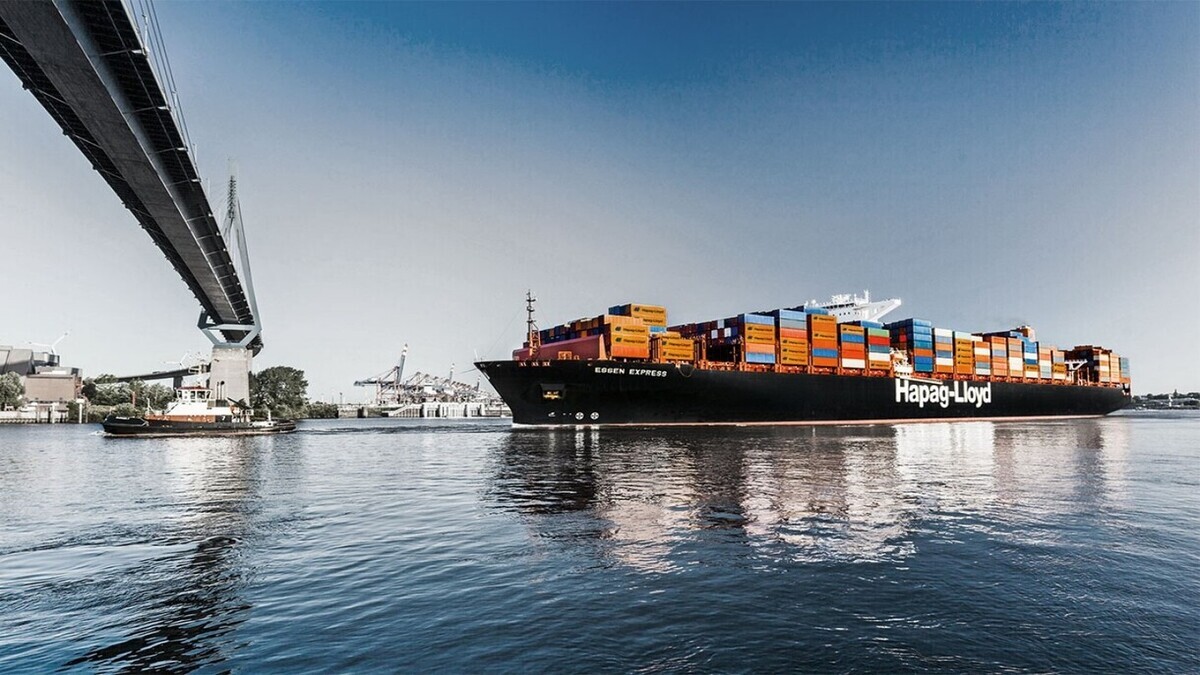
Operator of the world’s largest chartered fleet of container ships, Seaspan has commissioned a cost-benefit analysis for the use of SMRs in the container shipping sector


Vessel operators could save an estimated US$68M annually in fuel costs and carbon penalties by using small modular reactors (SMRs) to power oceangoing maritime vessels, according to a new report commissioned by Hong Kong-headquartered Seaspan Corp.
Produced by consultancy LucidCatalyst and class society Lloyd’s Register, the report found that a 15,000-TEU container ship could travel faster and with increased space for containers if the vessel used SMR nuclear power to replace conventional fuel infrastructure.
Sailing at a speed of 25 knots, roughly 40% faster than conventionally powered vessels, the report claims the hypothetical 15,000-TEU ship would be able to complete more than six round-trip voyages annually, as compared to five by the conventionally fuelled comparison.
The increase in speed would lead to 1.3 extra round-trip voyages per year. This increase in voyages, combined with 5% more cargo space for containers in areas typically taken up by fuel tanks and other system components, would offer a total annual cargo capacity increase of 38%, according to the analysis.
"The study outlines a roadmap showing how manufactured nuclear propulsion units could reach commercial readiness within four years of starting an intensive programme, with total system costs below US$4,000/kW and fuel costs under US$50/MWh," the companies behind the report said.
To achieve these results, the report advises "a rigorous, requirements-led supply chain and procurement strategy, through a cross-industry consortium".
The findings also outline best practices for designing a competitive supply chain as well as innovative reactor and fuel-leasing financial models aimed at enabling shipowners and operators to manage upfront costs while maintaining safety and regulatory compliance.
If the shipping industry were to sign purchase deals for more than 1,000 units over 10–15 years, the report estimates modular reactors could be produced for US$750–1,000 per kilowatt, a rate it claims is "significantly cheaper than conventional nuclear power plants". Estimates vary on the cost for conventional nuclear power plants for use on board vessels, but range from under US$3,000 per kilowatt to more than US$4,000 per kilowatt.
In the modelling from the report, the preferred SMR units would be designed to operate for around five years between refuelling, drastically reducing downtime, providing independence from global bunkering networks and allowing for maintainance within standard vessel drydock cycles.
With all of its recommendations in place, the study projected, through market modelling, a "potential uptake of 40–90 GW by 2050, depending on regulatory progress and industry adoption".

Related to this Story
Events

Maritime Regulations Webinar Week
 16 Dec 2025
 GMT - ONLINE
Floating energy: successfully unlocking stranded gas using FLNGs and FSRUs
24 Feb 2026GMT - ONLINE
© 2024 Riviera Maritime Media Ltd.


