


Business Sectors
Business Sectors
Events
Contents
Register to read more articles.
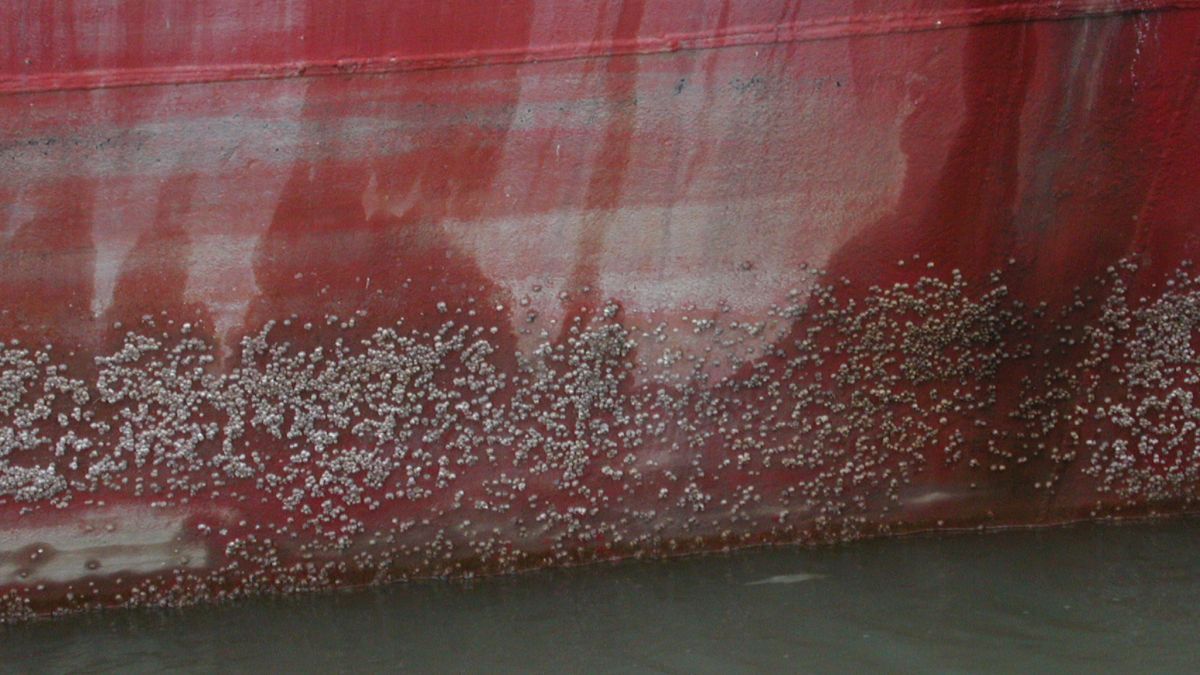
Shipping on course for biofouling rules
PPR 13 backed a standalone biofouling instrument, set terms for intersessional drafting, and reviewed disputes over cleaning standards, evidence and enforceability


Ahead of the IMO Sub-Committee on Pollution Prevention and Response (PPR 13 on 9-13 February 2026), three topics of concern were raised in the fouling submissions.
Across the submissions, the central question was not whether a mandatory regime is coming, but what form it should take and how it can be enforced without creating an unworkable burden for ships and ports.
The first cluster of concerns centred on the form of the legally binding framework: urging delegations to focus on practicality and enforceability when debating obligations.
A second cluster of concerns centred on what a future instrument should regulate: continuous management measures, inspection and recordkeeping, and how ports and port state control would apply them.
A third theme was the evidence base for in-water cleaning and what performance standards should look like, particularly for capture, filtration and post-treatment.
Industry submissions also sought to anchor the next phase in operational experience and to avoid rules that drive delay risk.
ICS, BIMCO, Intertanko and Intercargo told PPR that “practical biofouling management experience gained by industry should be considered” so the framework can “support ship operations”, and said restrictions that “may lead to a delay to ships and disruption of trade should be avoided”.
Norway’s draft provisions set out an indicative structure for regulations and supporting guidelines, including survey and certification, management measures, in-water cleaning, and anti-fouling systems, alongside forms such as an International Biofouling Management Certificate and a Biofouling Record Book.
Norway also proposed that IMO develop a guideline for testing and approval of in-water cleaning systems and a second guideline to standardise coating compatibility information, linking this to the need to address “biosecurity and chemical pollution” concerns that lead some ports to prohibit in-water cleaning and others to permit it under strict conditions.
In its post-session summary, IMO noted, “PPR 13 agreed on some fundamental elements that will guide this work”.
These included the recommendation for the framework to take the form of a standalone instrument and the finalisation of the terms of reference for the output, both to be agreed and approved by MEPC 84.
For shipowners and operators, the long-term direction implied by the submissions and PPR 13’s agreed next steps is a move towards a compliance regime that ties together planning and documentation, inspection and reporting, and controls on when and how in-water cleaning may be conducted.
Sign up for Riviera’s June 2026 CO2 Shipping and Terminals Conference:
- Register to attend here: The CO2 Shipping and Terminals Conference 2026, London.
- View the latest issue of Tanker Shipping & Trade here: Tanker Shipping & Trade.

Related to this Story


Events

Maritime Regulations Webinar Week
 16 Dec 2025
 GMT - ONLINE
Floating energy: successfully unlocking stranded gas using FLNGs and FSRUs
24 Feb 2026GMT - ONLINE
© 2026 Riviera Maritime Media Ltd.


