


Business Sectors
Business Sectors
Events
Contents
Update: Hantavirus-stricken cruise ship en route to Canary Islands
Madrid has authorised the vessel to berth, but regional leaders have moved to block the vessel from docking after multiple deaths and evacuations of ill passengers


Hondius, a Dutch expedition cruise vessel currently at the centre of a deadly hantavirus outbreak, is heading to the Canary Islands following international medical intervention.
The ship’s operator, Oceanwide Expeditions, confirmed that the vessel is expected to arrive at the port of Granadilla, Tenerife, in the early hours of Sunday, 10 May.
“No symptomatic individuals are present on board,” the company stated in an update.
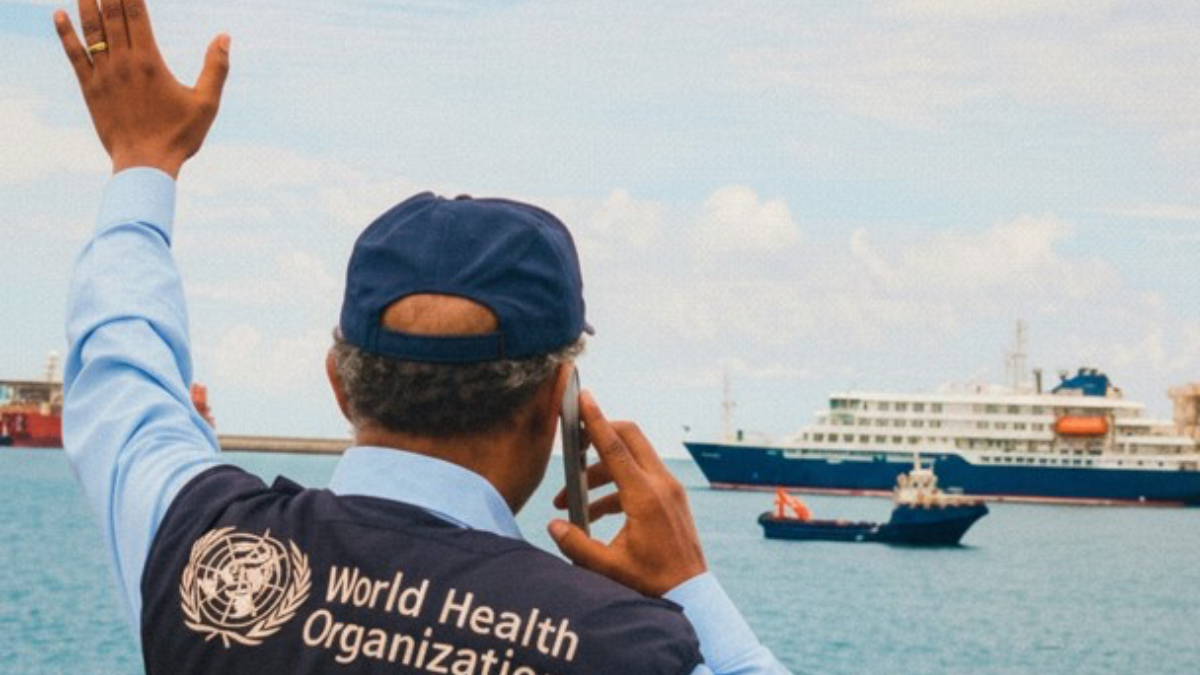
The 2019-built vessel is navigating under strict medical supervision from the Dutch National Institute for Public Health and the Environment (RIVM) and the World Health Organization (WHO). Passengers have reportedly been isolated in their cabins for the duration of the transit to mitigate any further risk of infection.
The outbreak involves the Andes virus, a hantavirus strain described by the WHO as the only species capable of limited human-to-human transmission. To date, eight cases have been reported, resulting in three fatalities. The 6,300-gt vessel was midway through a multi-week expedition from Ushuaia, Argentina, to Spain when the virus was detected.
As Riviera reported on 6 May (see story below), Spanish authorities agreed to allow Hondius to dock in the Canary Islands following requests from WHO and the European Union. However, the move has sparked a diplomatic row with Canary Islands’ regional government. Local officials have insisted that passengers only disembark from an anchored position rather than allowing the ship to dock.
Canary Islands President Fernando Clavijo has voiced firm opposition to the docking plan. "Cooperation can only happen with proper information, rigour, and respect for the Canary Islands," Mr Clavijo said.
“The ship will not dock under any circumstances and will remain at anchor until the passengers are evacuated, fulfilling all security guarantees for both residents and those on board."
He told local media that the operation could have been conducted in Cape Verde with "the same level of safety," but emphasised that "maximum security" must now be guaranteed.
On 7 May, Health Minister Mónica García and Territorial Policy Minister Ángel Víctor Torres met with Mr Clavijo to finalise disembarkation protocols. These follow the evacuation earlier this week of three individuals, who were transferred to the Netherlands for specialist care.
Concluding a recent briefing, WHO director-general Tedros Adhanom Ghebreyesus described the outbreak as a "serious incident" but maintained that the broader public health risk remains low.
Dr Tedros warned that further cases could emerge due to the virus’s potential multi-week-long incubation period, adding: "Our priorities are to ensure the affected patients receive care, that the remaining passengers are kept safe and treated with dignity, and to prevent any further spread."
So far, eight cases of #hantavirus have been reported, including three deaths.
— Tedros Adhanom Ghebreyesus (@DrTedros)
While this is a serious incident, @WHO assesses the public health risk as low.
WHO will continue to work with all relevant governments and partners to provide care for those who are affected, protect… pic.twitter.com/NEBHXrqurTSo far, eight cases of #hantavirus have been reported, including three deaths.
— Tedros Adhanom Ghebreyesus (@DrTedros) May 7, 2026
While this is a serious incident, @WHO assesses the public health risk as low.
WHO will continue to work with all relevant governments and partners to provide care for those who are affected, protect… pic.twitter.com/NEBHXrqurT
On 6 May, three individuals were reported to have been evacuated from a Dutch expedition cruise vessel in the Atlantic following a deadly outbreak of the rare hantavirus.
Hondius, carrying nearly 150 passengers and crew, was granted permission to dock in the Canary Islands by the Spanish government on 6 May. The move ends a diplomatic standoff after Cape Verdean authorities refused the vessel entry.
World Health Organization (WHO) director-general, Tedros Adhanom Ghebreyesus, confirmed the patients are being transferred to the Netherlands for treatment. The evacuees are Dutch, German, and British nationals.
The operation is a coordinated effort between the WHO, the vessel’s operator Oceanwide Expeditions, and authorities from Cape Verde, the United Kingdom, Spain, and the Netherlands.
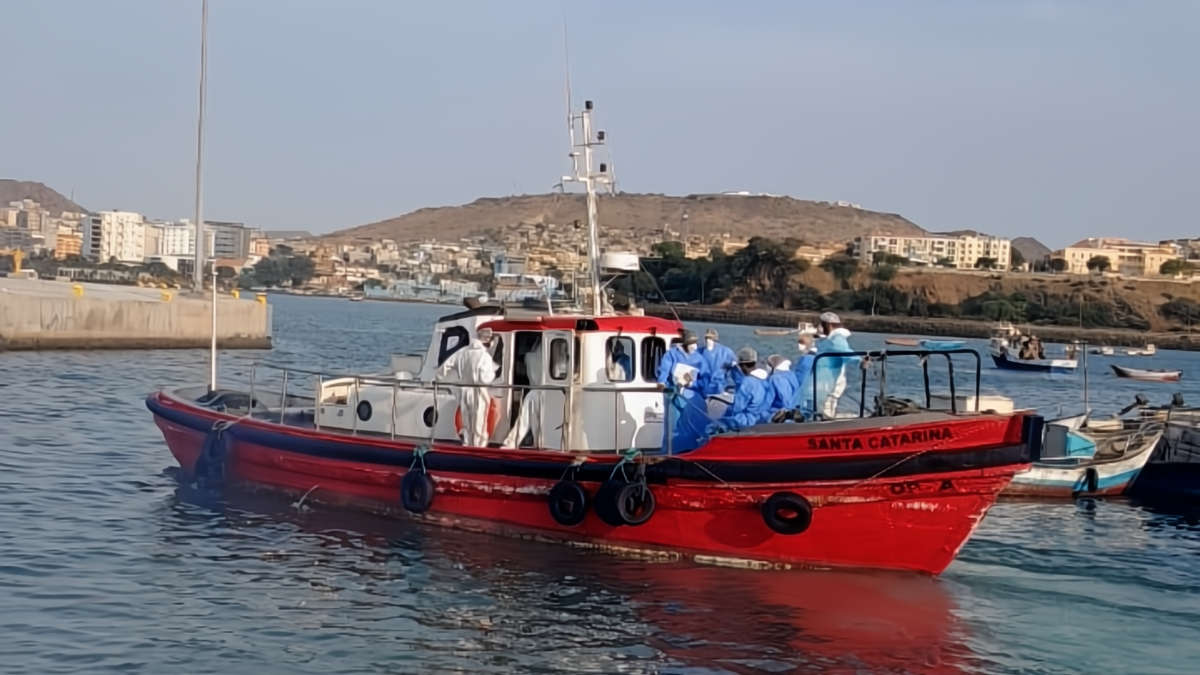
The Netherlands-flagged expedition vessel remains anchored offshore of Cape Verde. As Riviera reported, authorities in Cape Verde denied the vessel permission to dock at the Port of Praia on 3 May following three deaths. The deceased were Dutch and German nationals.
Spain agreed to allow Hondius to dock in the Canary Islands, citing “compliance with international law and humanitarian considerations.
“The government will release the details of this protocol as soon as they are defined by WHO and the European Centre for Disease Prevention and Control (ECDC),” the Spanish Ministry of Health said in a statement.
Oceanwide Expeditions separately confirmed the Canary Islands as the planned destination following the medical transfers. It remains in talks with authorities regarding the exact arrival point, quarantine procedures, and timeline.
WHO, alongside the EU, requested Spain’s intervention after concluding that Cape Verde lacked the necessary capabilities to manage the crisis. It stressed that the government has "a moral and legal obligation" to assist, noting that several Spanish citizens are among those on board.
ECDC is currently assessing which other individuals require urgent evacuation. The remaining passengers are expected to reach the Canary Islands within four days, though a specific port is yet to be confirmed. Upon arrival, all on board will be examined and treated before being repatriated.
Hantaviruses are rodent-borne pathogens that can cause severe disease in humans. The strain on board has been identified as the Andes virus. The WHO currently assesses the global risk as low but continues to monitor the situation.
Hondius departed Ushuaia, Argentina, on 1 April 2026. Its itinerary included mainland Antarctica, South Georgia, and remote Atlantic outposts including Tristan da Cunha and Saint Helena. WHO is still determining the extent of passenger contact with wildlife during the voyage.
Sign up for Riviera’s series of technical and operational webinars and conferences:
- Register to attend by visiting our events page.
- Watch recordings from all of our webinars in the webinar library.



Related to this Story
Events

Maritime Regulations Webinar Week
 16 Dec 2025
 GMT - ONLINE
Floating energy: successfully unlocking stranded gas using FLNGs and FSRUs
24 Feb 2026GMT - ONLINE
© 2026 Riviera Maritime Media Ltd.


