


Business Sectors
Business Sectors
Events
Contents

Register to read more articles.
USA takes action on plastic pollution in waterways
The US Environmental Protection Agency unveils a national strategy aimed at tackling plastic pollution from production to waste management


The United States Environmental Protection Agency (EPA) has unveiled its National Strategy to Prevent Plastic Pollution, marking a pivotal step in addressing the pervasive issue of plastic pollution in waterways.
The strategy underscores a comprehensive approach to mitigating the environmental and health impacts of plastics while fostering global collaboration to reduce waste.
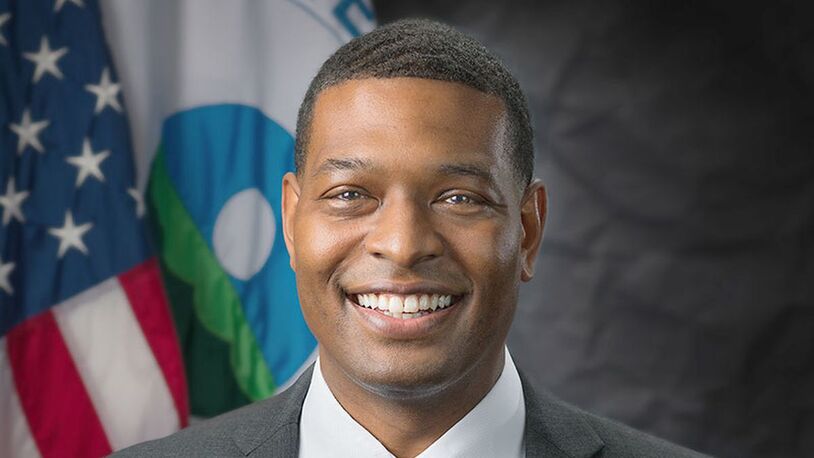
EPA administrator Michael S Regan highlighted the far-reaching implications of this initiative, stressing its dual focus on public health and environmental protection.
“From reducing cancer-causing pollution from plastic manufacturing facilities, to increasing industry’s accountability to take back recycled plastic packaging, to capturing waste before it ends up in our bodies and the environment, this strategy lays out the path forward for EPA and our partners to tackle this persistent challenge,” he stated.
The announcement came as the international community gathers in Busan, South Korea, to negotiate a legally binding global agreement on plastic pollution – which ended without consensus on a legally binding plastic pollution treaty, as divisions persist over production limits.
The global agreement may have stalled, but the US EPA strategy aligns with the Biden-Harris administration’s commitment to spearhead efforts in this area, aiming to eliminate the release of plastic waste into the environment by 2040.
Key measures outlined in the strategy include reducing the production and consumption of single-use plastics, enhancing reuse and recycling systems, and advancing extended producer responsibility frameworks.
These efforts build upon EPA’s existing programmes, such as the Trash Free Waters Program, which seeks to prevent and remove waste from US waterways. The initiative also incorporates enforceable wastewater standards and air pollution controls targeting emissions from plastic manufacturing facilities.
The release of the strategy coincides with mounting urgency to address the global plastic crisis.
Without intervention, the Organisation for Economic Cooperation and Development projects that plastic use and waste could triple by 2060, exacerbating environmental and health challenges.
Sign up for Riviera’s series of technical and operational webinars and conferences:
- Register to attend by visiting our events page.
- Watch recordings from all of our webinars in the webinar library.



Related to this Story




Events

Maritime Regulations Webinar Week
 16 Dec 2025
 GMT - ONLINE
Floating energy: successfully unlocking stranded gas using FLNGs and FSRUs
24 Feb 2026GMT - ONLINE
© 2026 Riviera Maritime Media Ltd.


