


Business Sectors
Business Sectors
Events
Contents

Register to read more articles.
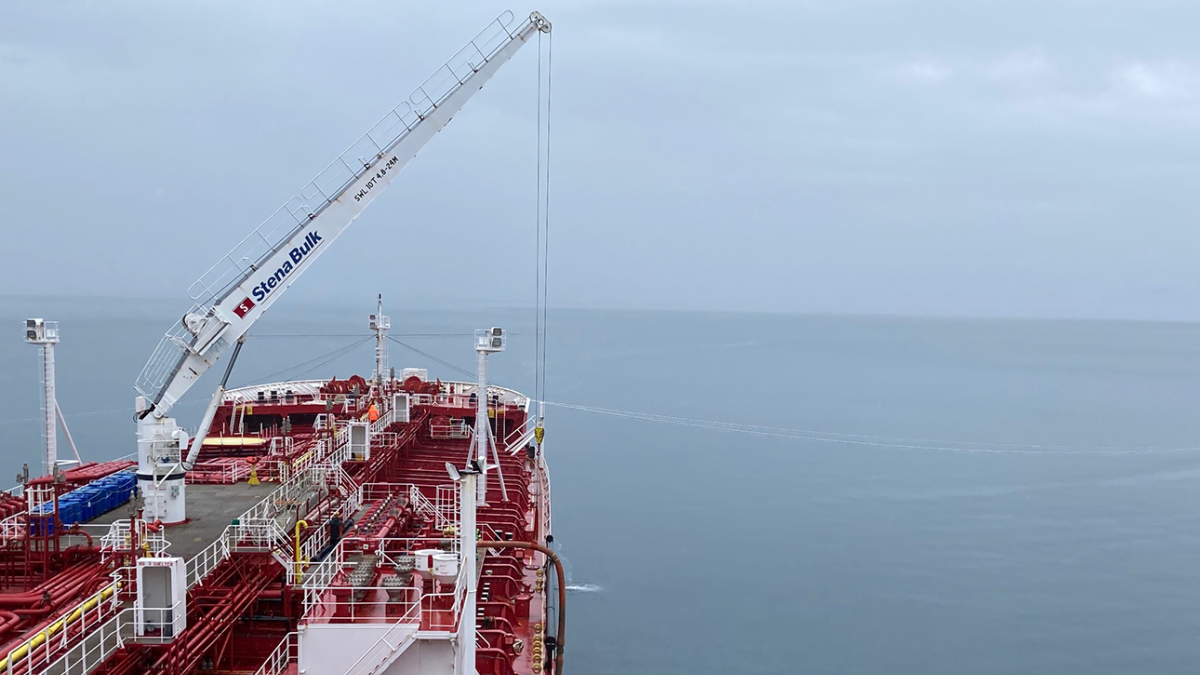
112 crude tankers remain in Persian Gulf as Iran military claims Strait of Hormuz closure
Hormuz transits have slowed sharply, trapping tankers in the Gulf, lifting war risk costs and driving freight indications higher


Clarksons Research noted the short-term impact of the Israeli-US attacks on Iran was uncertainty in fixtures and skyrocketing rates lifted by risk pricing, insurance terms and voyage disruption.
Clarksons said “chartering business in the Middle East was very limited on Monday” given uncertainty, but it also said “preliminary indications of tanker freight rate movements were suggestive of a further” jump in rates, with the near term expected to reflect “higher insurance costs”, “risk premiums” and disruption.
Clarksons said average indicative VLCC spot earnings were assessed at a theoretical record high of US$350,000 per day on Monday (over US$400,000/day on MEG-East routes), up from around US$200,000 per day at the end of last week.
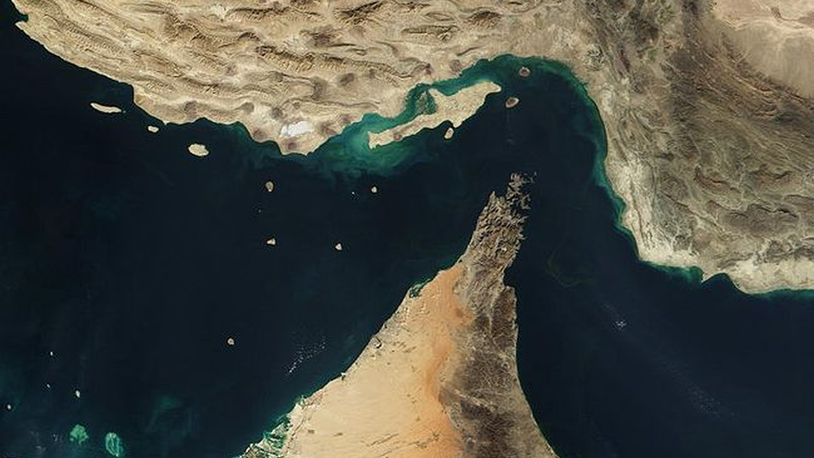
Tanker operators and analysts are describing an abrupt dislocation in Middle East Gulf shipping, with vessel movements through the Strait of Hormuz falling away, ships bunching inside the Persian Gulf, and reported attacks and port disruption adding another layer of operational risk.
Clarksons said that, while “no official ‘closure’ of the Strait of Hormuz has been reported”, Iranian forces are “claiming that the waterway is restricted”, and it added that “significant disruption to AIS and communication systems has been apparent”.
- Iranian military declares Strait of Hormuz closed, vows to set ships trying to pass ’ablaze’
- ‘Huge impact’: Harry Vafias on tanker rates booming amid oil and gas supply shock
- Hormuz closure scenario predicts LNG price pushing past US$100/MWh
- ’Big game-changer’ Iran conflict sends tanker rates skyrocketing, signals short‑term bullish market
- Stena tanker hit as Middle East ports rocked by Iranian missile attacks; Qataris and Saudis close gas and oil plants
- Crew casualties grow as commercial vessels take fire in escalating US-Israeli and Iranian conflict
- ’Over 200 tankers stuck inside the Persian Gulf,’ as war risk drops out and insurance rates double
3,200 vessels trapped inside the Persian Gulf, including 70 VLCCs
Traffic data cited by Clarksons pointed to a sharp drop in movements into the Strait. It noted that “vessel arrivals in the Strait were recorded as down 80% from normal levels on 1 March”.
The drop in traffic coincided with reports from market participants and ship managers that transits had effectively halted for many operators.
Clarksons also published an estimate of how much shipping capacity is now exposed to any prolonged restriction on movements. It said it estimated around 3,200 vessels were inside the Persian Gulf, equivalent to 4% of global tonnage.
Within that total, it counted 112 crude tankers, including more than 70 VLCCs, which is 8% of the global VLCC fleet. Other tankers being impacted, according to Clarksons, include 195 product tankers (4% share of global tonnage) and 21 VLGCs (5% of the global fleet).
Clarksons also noted a further 500 vessels (1% of global tonnage) were waiting outside the Gulf in ports off the UAE and Oman.
Alongside traffic disruption, incident reporting has widened, from warnings, to confirmed attacks and casualties. Commercial vessels and ports have come under attack in and around the Strait of Hormuz and the southeastern stretch of the Persian Gulf, and multiple sources have confirmed fatalities and injuries.
Stena Bulk confirmed that one of its tankers, Stena Imperative, a US-flagged vessel, had taken fire while berthed.
“Stena Imperative, technically managed by Crowley, suffered damage due to aerial impacts while berthed, shortly after 02:00 AST (local time) in the Persian Gulf,” a Stena spokesperson said.
Dryad Global also issued a warning on the unseen threat in the Strait of Hormuz, “The risk of Iranian sea mine use in the Strait of Hormuz remains elevated and should be treated as a credible escalation option, even though there have been no confirmed reports of mines being detonated at the time of writing.”
Riviera’s Tankers 2030 Conference will be held in Singapore, 19-20 November 2026. Use this link for more information and to register for the event.



Related to this Story

Events

Maritime Regulations Webinar Week
 16 Dec 2025
 GMT - ONLINE
Floating energy: successfully unlocking stranded gas using FLNGs and FSRUs
24 Feb 2026GMT - ONLINE
© 2026 Riviera Maritime Media Ltd.


