


Business Sectors
Business Sectors
Events
Contents
Register to read more articles.
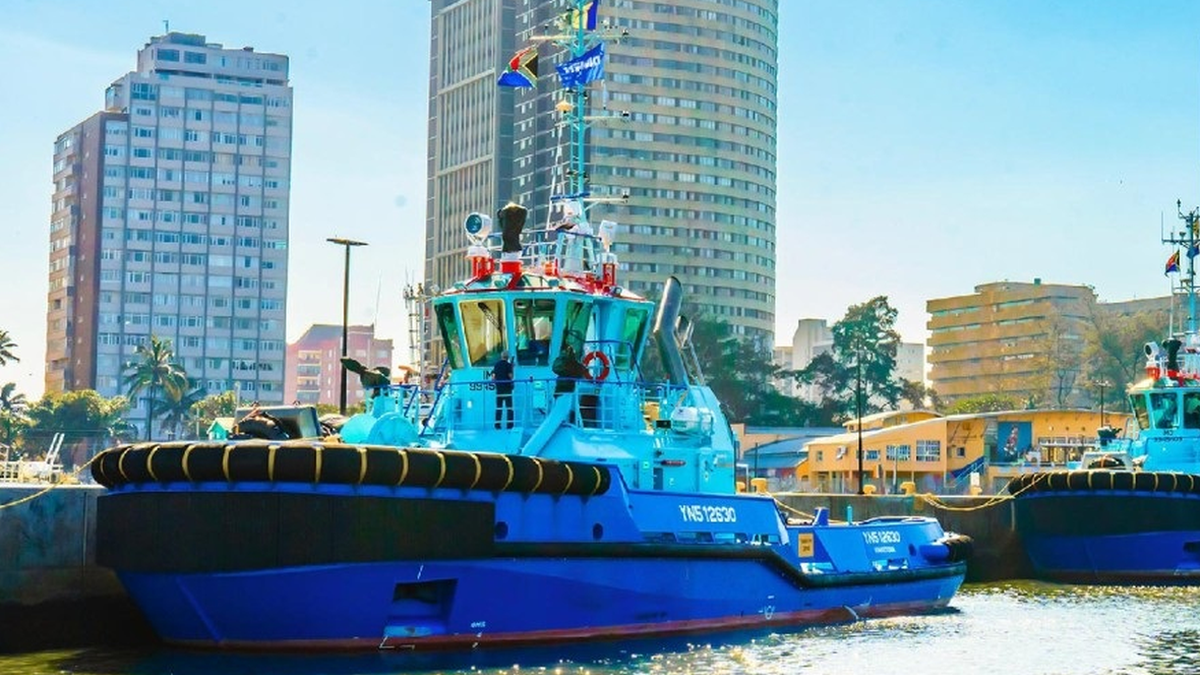
African port authority weighs converting port vessels to alternative fuels
Four of the oldest port tugboats, initially, could be converted to run on biodiesel, methanol, hydrogen or ammonia


Africa’s largest port authority and owner harbour tugs is looking into converting some of its existing fleet to run on alternative fuels.
Transnet National Ports Authority (TNPA) of South Africa has requested information from relevant contractors for the conversion of some of its existing oldest tugboats to operate on a variety of different fuels to reduce its environmental footprint.
TNPA wants to use greener and cleaner fuels for a selection of its diesel-operated tugboats, especially those it had previously identified for disposal, as part of Transnet’s commitment to bolster South Africa’s transition to a low-carbon economy, focused on renewable and green fuels.
Use of alternative fuels would also be a key step in the decarbonisation of port-related equipment and vessels and reducing reliance on imported fuels for harbour operations.
TNPA has requested information on how these conversions and fuel supplies could be undertaken and the forecast costs in submissions, including technical assessment on its older 10 diesel tugboats by 29 November 2024.
This national port authority is considering use of biofuels such as biodiesel, LNG, methanol, ammonia and hydrogen within its retrofit plans.
“The plans to retrofit TNPA’s tugboat fleet with low-to-no carbon fuel is a significant step towards decarbonising shipping and reducing the carbon footprint of our marine craft,” said TNPA acting chief executive, Phyllis Difeto. These are the reasons to progress with the proposed tugboat alternate fuel pilot trial.
In a pilot phase, TNPA is considering retrofitting a minimum of four tugboats to prolong their operational life and reduce their emissions, but it is also eager to convert 10 tugs that are more than 35 years old in future phases.
It invited interested parties to support this initiative with technical and commercial information including a technical assessment of these 10 oldest TNPA tugboats.
TNPA also wants information on the potential work scope and costs in resources and consumables for retrofitting a tugboat from diesel operations to these alternative fuels.
It requires information on the high-level operating cost and/or fuel consumption for the four tugboats intended for the pilot phase and on what is required shoreside to provide these fuels, including the nature and extent of alternate fuel storage, handling and dispensing facilities and risk assessments.
This also includes identifying the stakeholder, public sector entities, educational and research institutions and international ports to partner with for the tugboat alternate fuel pilot trial and the future of a fully transformed alternate fuelled vessel fleet.
TNPA needs information on the estimated retrofit costs, including resources and consumables, for the proposed four tugboats in the pilot phase and the required permits, certifications and authorisations required for the retrofit and operation of these tugboats.
Liquid fuels are currently imported through TNPA’s seven commercial ports in South Africa, where liquid bulk commodities are key maritime trades.
TNPA has 20 berths with total installed capacity of 91,4M kilolitres for liquid bulk commodities including animal and vegetable oils, petroleum, chemicals and molasses.
The port authority has welcomed a totoal of seven new tugboats in three ports in 2024 from Damen Shipyards as part of its fleet renewal campaign.


Related to this Story


Events

Maritime Regulations Webinar Week
 16 Dec 2025
 GMT - ONLINE
Floating energy: successfully unlocking stranded gas using FLNGs and FSRUs
24 Feb 2026GMT - ONLINE
© 2026 Riviera Maritime Media Ltd.


