


Business Sectors
Events

Floating energy: successfully unlocking stranded gas using FLNGs and FSRUs
 24 Feb 2026
 GMT - ONLINE
Contents
Register to read more articles.
All-electric tugs: the drive for maximum efficiency
ABB Motion global marine sales manager Daniel Olsson explores the role of liquid-cooled drives with the rising demand for electric tugs


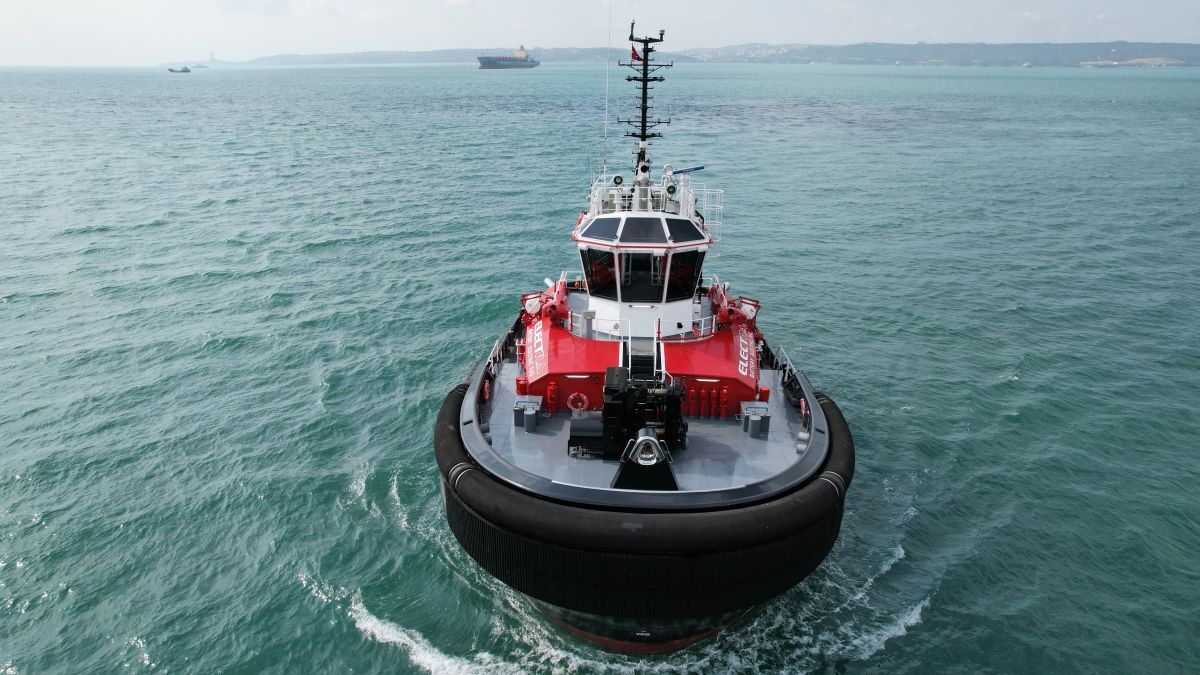
For an industry on a mission to cut costs and carbon emissions, all-electric tugboats have some serious pulling power. With cheaper running and maintenance costs, and lower (or zero) local emissions compared with their diesel counterparts, it is easy to see the appeal.
And a tug’s operational profile is perfect for all-electric propulsion. It spends most of the time at low load, with short bursts of higher power demand and very rare peaks of max power.
The responsiveness and ability to quickly generate thrust that comes with all-electric propulsion can be crucial when manoeuvring in tight spaces and tricky ship-assist situations.
However, fitting batteries into the small space available on tugs presents a challenge, as does endurance concerns. As demonstrated in numerous recent projects, through close collaboration between designers, shipyards and equipment suppliers, it is possible to make the batteries fit.
The endurance concerns are addressed by dimensioning batteries and planning charging infrastructure to fit the operations.
They can also be resolved through the mix of tugs in a particular port, ensuring the fleet can handle the odd day with extremely bad weather and an unusually high number of ship assists.
The key to success is to make sure the entire power and propulsion system is as efficient as possible and designed with a thorough understanding of the real operating profile.
Most electric tugs are based on direct current (DC) rather than alternating current (AC) power distribution to reduce losses when integrating energy storage and numerous drives. They are typically liquid cooled to maximise power density, reliability and efficiency, which ultimately leads to reduced downtime and lower maintenance costs.
Liquid cooling takes care of 98% of a drive’s heat losses, with no need for additional filtered air cooling. This allows liquid-cooled drives to be compact and powerful, making them the optimal solution for tugs in demanding marine environments, where space savings and reliability are a must.
Indeed, several series of new all-electric harbour tugs are currently under construction around the world. ABB drives have been selected to power more than 13 electric tugs, with flexibility being key.
These tugs are being built to seven different designs at four different shipyards, in collaboration with three different system integrators to at least six different owners.
These are all tugs with large battery banks that are designed to operate in all-electric mode and be charged from a shore connection. They typically have small backup gensets as range extenders or for longer transits, such as when travelling to a shipyard for maintenance. They use hotel grid converters to create an AC grid for the auxiliary consumers on board and have powerful electric propulsion motors, winches and fire-fighting (FiFi) pumps. All these functions are integrated with drives to a common DC bus.
The final ingredient for a successful electric tug is strong local support of critical equipment such as power and propulsion systems to ensure the highest uptime and fast issue resolution. Ship and port safety depends on reliable tug operations and unplanned downtime is simply not acceptable. That is why tug builders and system integrators partner with original equipment manufacturers with strong global service networks, supporting owners wherever they may operate.
It is clear from discussions at recent industry events that electric tugs are here to stay and that they will fast become operational in many locations due to their strong benefits. These revolutionary new tugs will deliver high energy efficiency, low operating costs, ultra-low noise and zero emissions. All in all, the future looks green for the tug industry.
Sign up for Riviera’s series of technical and operational webinars and conferences in 2023:
- Register to attend by visiting our events page.
- Watch recordings from all of our webinars in the webinar library.

Related to this Story

Events

Maritime Regulations Webinar Week
16 Dec 2025GMT - ONLINEFloating energy: successfully unlocking stranded gas using FLNGs and FSRUs
24 Feb 2026GMT - ONLINE
© 2024 Riviera Maritime Media Ltd.


