


Business Sectors
Events

Floating energy: successfully unlocking stranded gas using FLNGs and FSRUs
 24 Feb 2026
 GMT - ONLINE
Contents
Register to read more articles.

Telematics developments boosting container reefer market
The reefer container market has been impacted by trade challenges – and telematics can help address these


In Riviera’s webinar, Reefer container market outlook: Trade disruption, demand shifts and the role of technology, produced in partnership with ORBCOMM, panellists discussed global container trade trends, route analysis and supply-demand dynamics in the container equipment sector, and how container telematics can help with these challenges and provide solutions for supply chain visibility, cargo protection, efficiency, cost reduction, energy savings and sustainability.
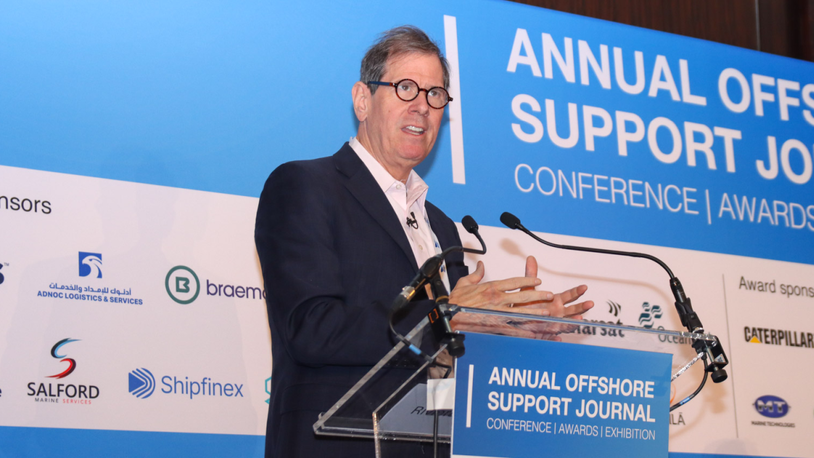
Panellists included Drewry Shipping Consultants head of ports and specialised shipping research Ferenc Pasztor; Drewry Shipping Consultants senior associate reefer shipping Philip Gray; and ORBCOMM director, product management, smart reefers, Lars Jensen.
Mr Gray said the global container port throughput year on year as of March 2025, had shot up by 6.6%. This is expected to shrink this year to around 2.5% for 2025 compared with 2024. Mr Gray explains why, “It is to do with the Suez, more feedering, more rerouteing and a long list of little items that add to this and make [it] pretty challenging.”
Some 5% of all container movements is reefer cargo.
Mr Gray added, “Tradelanes are very interesting right now. The strongest reefer trade lane is central America to the US and we have seen growth. North America to Asia used to be the strongest reefer trade in the world but we have seen a decline in the last few years and negative growth.”
Mr Jensen explained how telematics could play a pivotal role in all the challenges the sector faces. “With trade disruptions, tariff unrest and port congestion, the capability to have end-to-end visibility becomes even more important.”
Constant global threats mean transport plan optimisation is ever-more important. Mr Jensen said, “The world can change tomorrow so we need to act quickly and asset management is crucial. When you have trade disruption, you can have containers end up in a location you didn’t expect. So knowing where the asset is, is extremely important, and we can play a very important role.”
Providing advice on how to improve operations with limited resources, he said, “Increase the number of telematic devices and scaleability – the more we install on reefer containers the better we can use the data. We can identify more realistic ways to improve operational efficiency and reduce costs.
“We tend to use some very high-level words like transparency and visibility but it is time to find out exactly what this means. Telematic companies can play a more active role and come up with tangible realistic ways to use data to reduce carbon risk, costs and increase operational efficiency.”
He singles out how shipping lines want telematic companies to document exact savings. Ones that can be easily achieved include live monitoring and pre-tip processes.
It looks like the trend to use reefer container telematics will only increase. As Mr Jensen points out, as communication costs come down, shipping lines can invest in more telematic devices. Furthermore, he believes AI will play an important role in smart reefers, and can be used for predictive maintenance.
When asked for key takeaways from the webinar, Mr Gray spoke about the reefer container market, “There are plenty of challenges, shippers [should] make a list of stuff and hammer on it, it is your cargo and your years’ worth of work. The success of logistics can make or break a business.” His advice to shippers was: demand over or above what can be reasonable so the message gets through. He summed up, “No one will save you – you save yourself.”
Meanwhile, Mr Jensen concluded, “Co-operation is a key word, we all want the same thing but there needs to be communication and co-operation between stakeholders. We need better communication and to spend more time [telematics companies] with shipping lines to learn what they want. We need to be much more precise in how to optimise and reduce costs and do things better for shipping lines customers. We need more tangible targets and to roll them out jointly.”
He emphasised the importance of turning “fancy words into action”.
Webinar poll results

Panellists included Drewry Shipping Consultants head of ports and specialised shipping research Ferenc Pasztor; Drewry Shipping Consultants senior associate reefer shipping Philip Gray; and ORBCOMM director product management, smart reefers, Lars Jensen.

Related to this Story


Retrofit fund ties lease payments to performance

Events

Maritime Regulations Webinar Week
16 Dec 2025GMT - ONLINEFloating energy: successfully unlocking stranded gas using FLNGs and FSRUs
24 Feb 2026GMT - ONLINE
© 2024 Riviera Maritime Media Ltd.


