


Business Sectors
Business Sectors
Events
Contents
Register to read more articles.
ISU: operational and financial challenges lie ahead
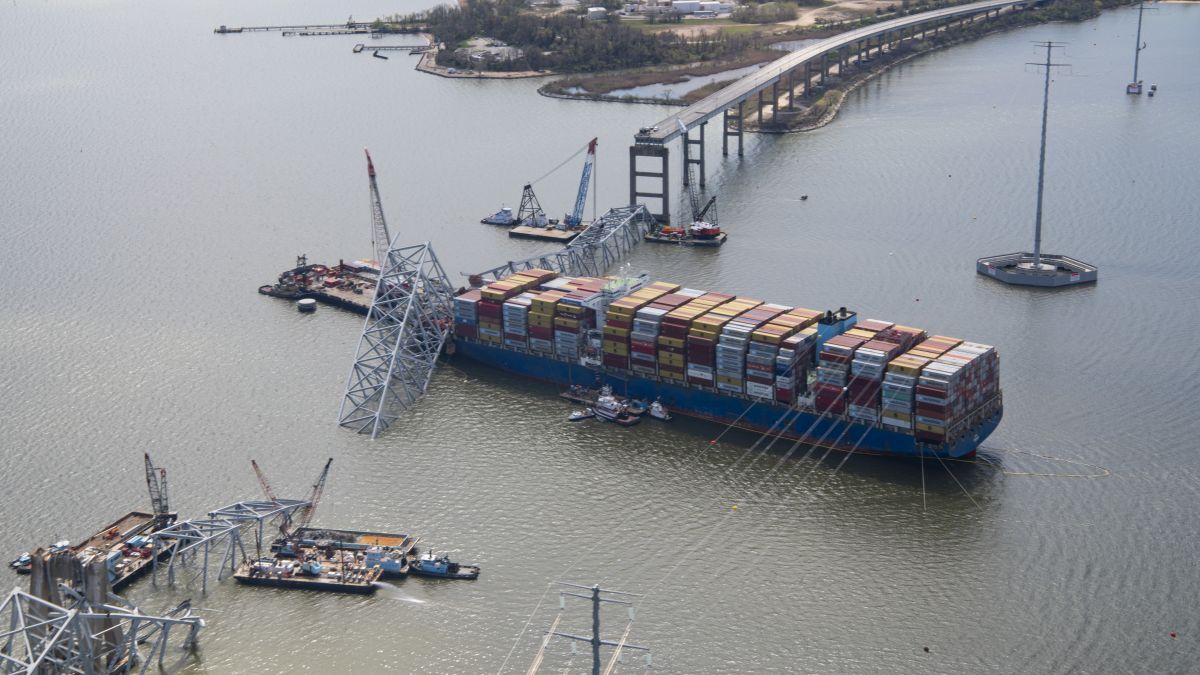
Conflicts, geopolitical pressures, places of refuge, crew shortages and environmental policies impact salvors, as the maritime industry tackles groundings and container fires


Salvors are the first responders to maritime emergencies and can ensure they do not turn into environmental catastrophes, but only if their business remains financially viable.
Responders are increasingly challenged by geopolitical and environmental pressures, a shortage of trained personnel, a lack of assets and ports of refuge, and increasingly complex wreck removals and ship fires.
According to International Salvage Union (ISU) president Leendert Muller, its members want to continue providing salvage services to vessels in distress and pursue “successful outcomes that save lives, protect the environment and save property”, but it is becoming harder.
“We are living in turbulent times with numerous regional wars which have significant impacts on world shipping,” said Capt Muller. “Added to conflicts is the issue of tariffs and trade barriers and international tensions, particularly between China and the US, leading to potentially significant changes to trade patterns.”
These matters have consequential effects on salvage business, largely because of changing trade routes, fleet restructuring and safety.
“Owners, managers and insurers must not lose sight of the importance of being prepared for dealing with emergencies”
In the Red Sea and Black Sea, there have been several dramatic maritime casualties over the past two years due to conflicts.
“Matching the supply of services to the changing geographical demand takes time, but it happens organically because our industry is driven by commercial imperatives,” said Capt Muller.
Operationally, salvors have trouble finding viable places of refuge to respond to damaged ships, and are frustrated by the lack of progress in finding solutions.
“It is a subject all salvors feel strongly about, because we all have our own stories about the difficulty of securing a place of refuge for a casualty,” said Capt Muller.
“We still frequently encounter the same difficulties that were encountered by the previous generation of salvors, with a reluctance to provide a refuge.”
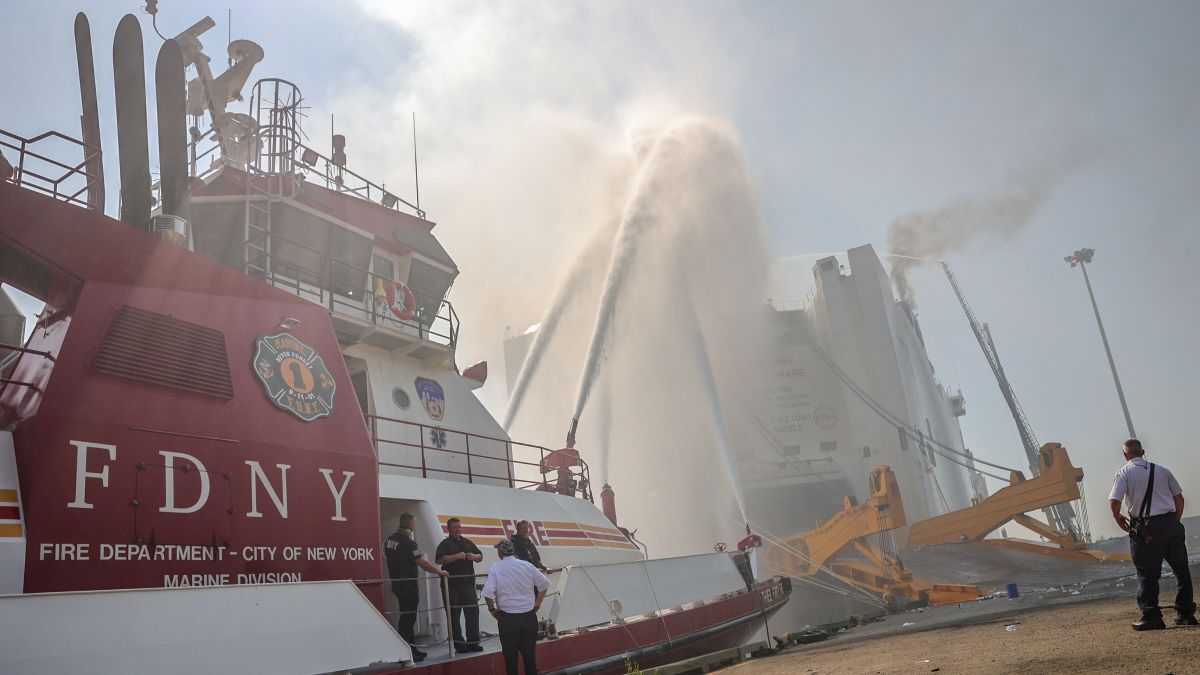
Another concern is the rising complexity of tackling fires due to misdeclared container cargo and the increasing number of batteries being transported worldwide.
“ISU is concerned about container ship fires, which still happen too often,” said Capt Muller. “Over the past 10 years, there have been an average of three claims greater than US$20M every year.”
Capt Muller emphasised the environmental, social and governance (ESG) benefits to the maritime industry from the salvage industry.
In the ISU’s latest annual pollution prevention survey, its members provided 162 services to vessels carrying around 2.4M tonnes of potentially polluting cargo and fuel in 2024, preventing them from entering the marine environment.
“Owners, managers and insurers must not lose sight of the importance of being prepared for dealing with emergencies and being able to demonstrate, as part of their ESG credentials, they are ready and take this aspect of their operations very seriously,” said Capt Muller.
“In an era of zero tolerance of any pollution, even the smaller cases represent a significant concern, and there were 17 cases where the casualty vessel had more than 1,500 tonnes of bunker fuel in its tanks,” he said.
“Therefore, it is not difficult to make a strong case for the environmental benefit we confer. Often it is the big cases – and sometimes with a bias towards Europe and the US – that are ‘eye catching’ but we need to remember that all around the world, the backbone of our industry is the regional ISU members,” Capt Muller continued.
“They have their own vessels and equipment, they have their own strong and experienced teams, and they regularly provide services that do not attract much attention, but which ensure that owners and insurers can meet their obligations if there is an incident.”
He acknowledged that protection and indemnity (P&I) clubs bear the cost of environmental damage if a marine casualty is not well-managed. Therefore, ISU has increased its engagement with the International Group (IG) of P&I clubs “to relay the benefits and capabilities of its members around the world that are ready to spring into action 24/7 and prevent casualties from becoming catastrophes.”
Financial sustainability
Other challenges salvors face are the sustainability and financial viability of the industry, with profits squeezed by pressures from insurers and owners to reduce salvage costs and accept commercial terms.
The salvage sector reached a historic low in 2022, when ISU members’ gross revenue was recorded at US$241M, but there has since been a recovery, with gross revenues reaching US$406M for 2024. ISU intends to report 2025 revenues in June 2026 and the results from its 2025 pollution prevention survey in March 2026.
“The most important issue is to ensure the industry is sustainable financially,” said Capt Muller. “From the gross revenues, all the salvors’ costs must be met.”
This includes investing in vessels and equipment, attracting talented people into the industry, training them and retaining them.
Capt Muller is encouraged by the public support the ISU receives for its role in keeping the maritime industry safe and preventing marine pollution, but acknowledged there are “tensions and frictions, particularly with property insurers, about the cost of salvage.”
He said stakeholders in the industry can “celebrate the value preserved by our services and not focus on the cost.” The ISU wants to increase its co-operation with the International Union of Marine Insurers to tackle “operational issues to bring about further improvements in maritime safety.”
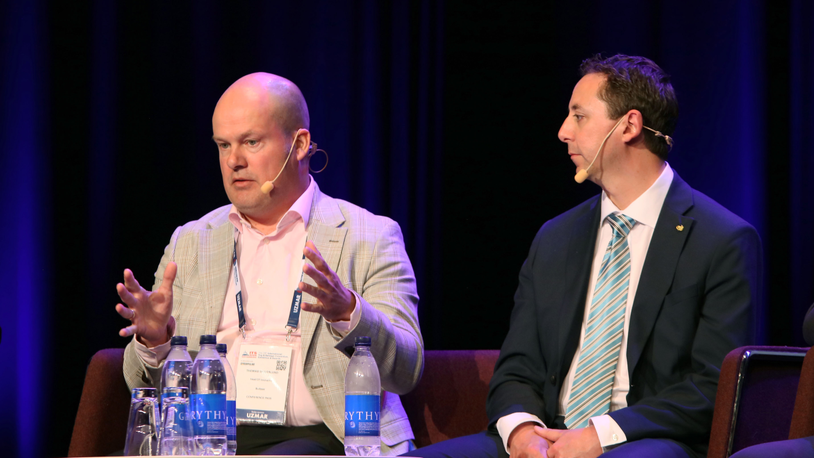
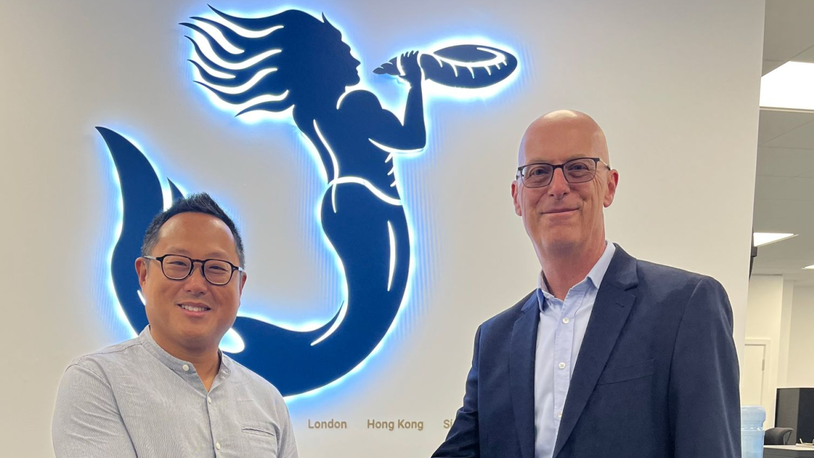
Leendert Muller was speaking at the Global Salvage and Wreck Forum, in London, UK, in December 2025
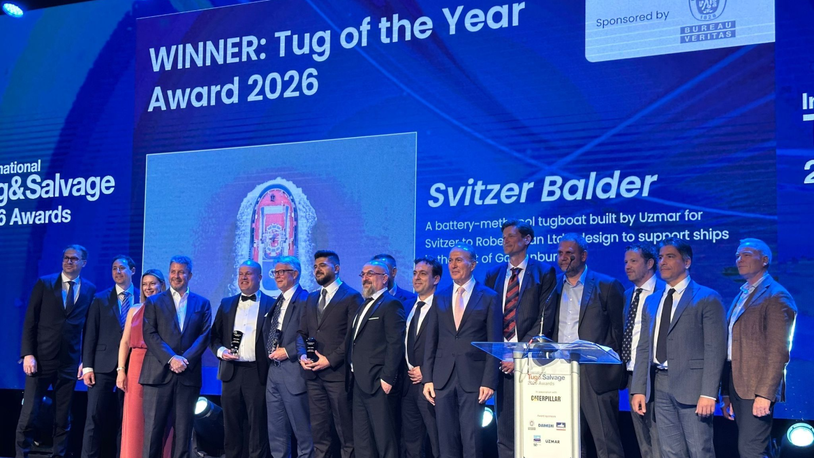
The 28th International Tug & Salvage Convention, Exhibition & Awards will be held in Gothenburg, Sweden, in association with Caterpillar, 19-21 May 2026. Use this link for more details of this industry event and the associated social and networking opportunities.
Related to this Story

Events

Maritime Regulations Webinar Week
 16 Dec 2025
 GMT - ONLINE
Floating energy: successfully unlocking stranded gas using FLNGs and FSRUs
24 Feb 2026GMT - ONLINE
© 2026 Riviera Maritime Media Ltd.


