


Business Sectors
Business Sectors
Events
Contents
Register to read more articles.
New rules reshape dry bulk carrier compliance
How imminent IMO, Marpol, recycling and regional rules force bulk carriers to upgrade documentation and crew training


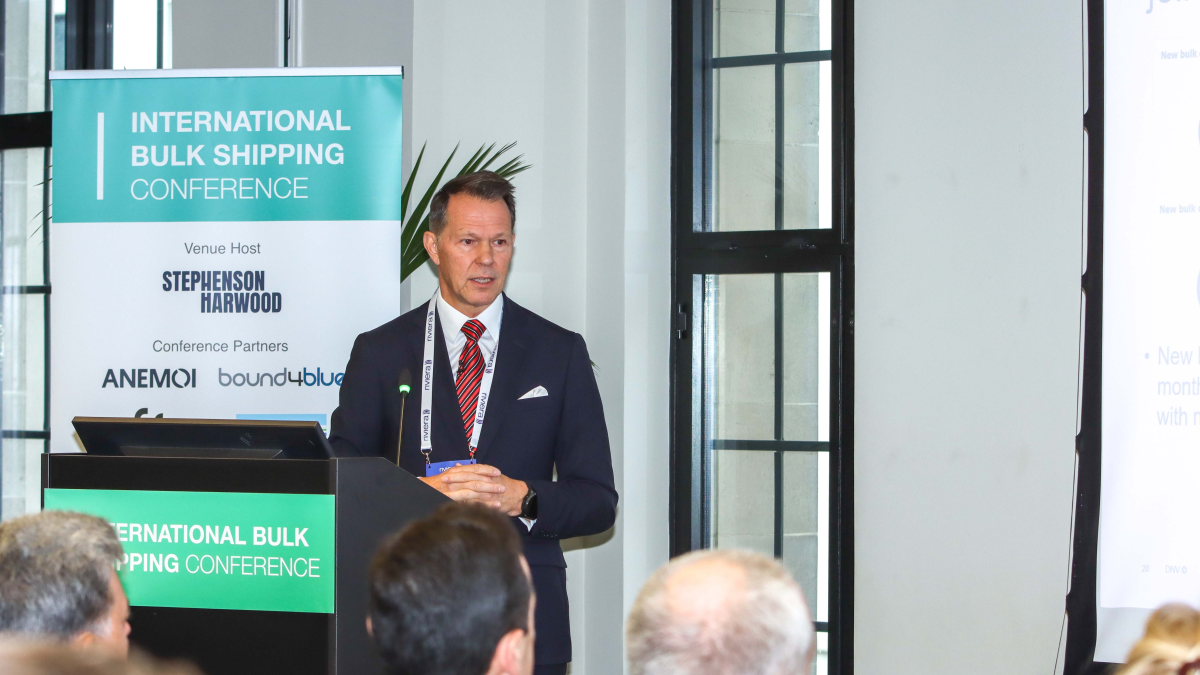
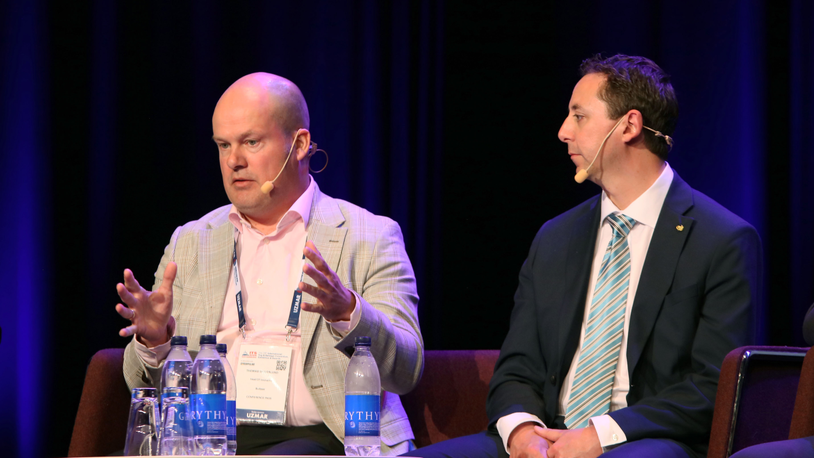
Regulatory shifts force bulk carrier operators to reassess safety, documentation and crew competence as a cluster of IMO instruments move from paper commitments to operational reality, delegates at the 2025 International Bulk Shipping Conference in London heard.
Chairing the safety and regulation session, hosted by law firm Stephenson Harwood, Lookout Maritime chief executive Martin Crawford-Brunt said the industry is grappling with “pretty complex regulations that could be quite challenging”, and warned the operating environment is “not getting any simpler”.
DNV vice president and global business director for bulk carriers Morten Løvstad used his presentation to walk operators through immediate compliance priorities.
From 1 October 2025, ships need to maintain a revised ballast water record book with standardised operation codes A–H and, critically, to move to an electronic ballast water record book that complies with IMO guidelines and flag requirements.
Port state control is expected to focus on the correct use of the new format and on how crews document any bypass or malfunction of ballast water management systems, “We basically recommended … train your crew accordingly,” he said.
On air emissions, Mr Løvstad highlighted Marpol Annex VI amendments for low-flashpoint fuels that entered into force on 1 August 2025.
The supplement to the IAPP certificate was updated, while bunker delivery notes now have to carry more detailed information on ship identity, fuel supplier, delivery particulars and verified sulphur content, as well as supporting fuel compatibility assessment.
He urged owners to revisit bunkering procedures with officers, including fuel change-over, tank segregation and blending practices, as biofuels gained traction.
Turning to the International Maritime Solid Bulk Cargoes Code (IMSBC Code), Mr Løvstad drew attention to Amendment 07-23, which requires shippers to declare bulk density for cargoes carried on bulkers of 150 m or more, aligning the Code with SOLAS.
Fourteen new cargo schedules – including direct-reduced iron and electric arc furnace dust – have been added and several materials, such as fishmeal, reclassified as materials hazardous in bulk.
He stressed “accurate cargo declaration” and empowering masters not to load wet cargo above transportable moisture limits are essential, particularly as “dynamic separation” has now been distinguished from traditional liquefaction in the IMSBC Code text.
The entry into force of the Hong Kong Convention for the Safe and Environmentally Sound Recycling of Ships in June 2025 brought new constraints on vessel end-of-life decisions.
Recycling could now only take place at authorised yards operating under approved ship recycling plans, while ships are required to maintain certified Inventories of Hazardous Materials.
Mr Løvstad questioned whether sufficient compliant facilities exist to cope with a future upturn in scrapping once IMO’s Net-Zero Framework is adopted, noting older vessels would face a more complex path to IHM compliance than newbuildings.
He also warned Brazil’s biofouling rules would require all vessels above 24 m entering its waters to carry biofouling management plans and record books by February 2026, and to meet stringent hull-cleanliness thresholds when entering or moving between three defined biogeographical regions, a change he said would have “operational consequences” given limited cleaning capacity.
Sign up for Riviera’s series of technical and operational webinars and conferences:
- Register to attend by visiting our events page.
- Watch recordings from all of our webinars in the webinar library.

Related to this Story




Events

Maritime Regulations Webinar Week
 16 Dec 2025
 GMT - ONLINE
Floating energy: successfully unlocking stranded gas using FLNGs and FSRUs
24 Feb 2026GMT - ONLINE
© 2026 Riviera Maritime Media Ltd.


