


Business Sectors
Events
Floating energy: successfully unlocking stranded gas using FLNGs and FSRUs
 24 Feb 2026
 GMT - ONLINE
Contents
Stena Line signs on for methanol conversions for unspecified number of ferries
The project comes after the operator converted the first ferry to methanol eight years ago and ordered two methanol-powered newbuilds this year


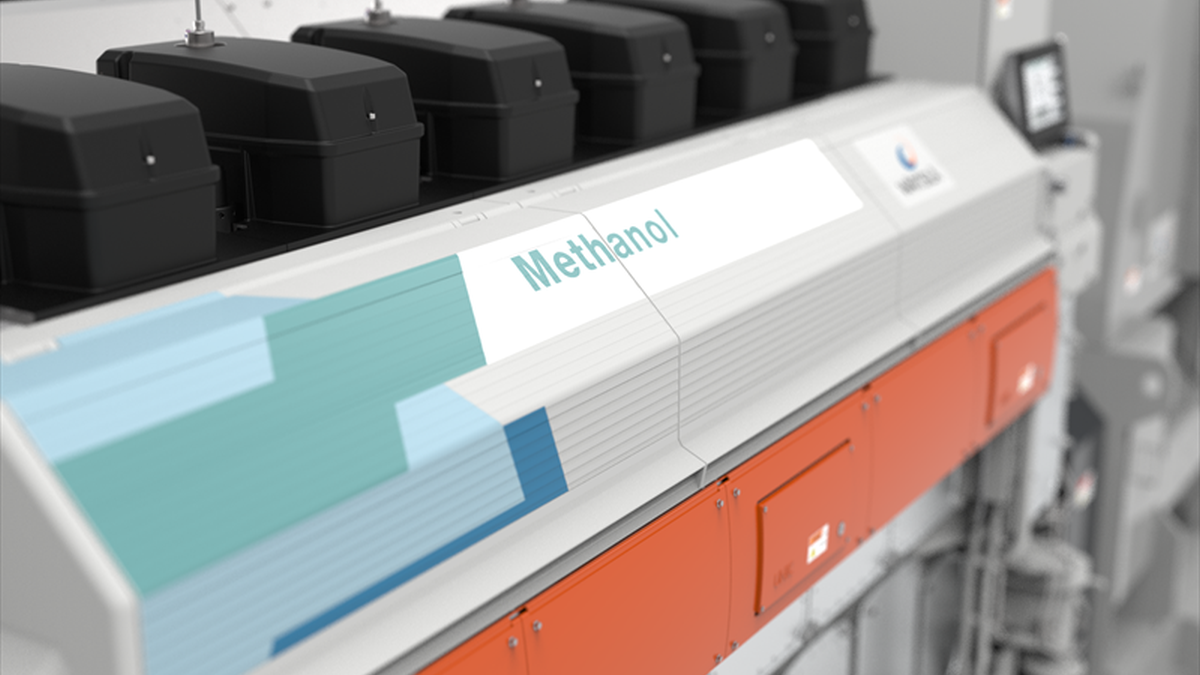
Wärtsilä, the company that will carry out the conversions, said Stena Line had booked the order for an unspecified number of conversion projects in June 2023, saying it had been contracted by the Swedish-headquartered ferry operator to "convert some of its vessels to operate with methanol fuel".
"The conversions will include the fuel supply system and engine modifications, as well as integrating the new installations with the ships’ existing systems," Wärtsilä said.
The conversions are scheduled to take place in 2025, and Wärtsilä highlighted the benefits of regulatory compliance, noting vessels running on methanol are compliant with regulations including International Maritime Organization’s (IMO) Carbon Intensity Indicator (CII), the EU’s FuelEU Maritime legislation and IMO’s soon to be revised 2050 greenhouse gas emissions reduction target.
"As we continue to implement our strategy to decarbonise all our operations, we see methanol as a viable alternative fuel that will help us achieve this ambition," Stena Line chief operating officer, fleet and government affairs, Ian Hampton said.
Wärtsilä carried out the conversion on Stena’s ferry Stena Germanica in 2015, making Stena Line the first ferry operator to run a ferry on methanol.
"Our experience from this ground-breaking innovation has been very positive," Mr Hampton said.
Stena Line has also recently placed an order for two methanol dual-fuel ferries, boosting its fleet with the two ‘NewMax’ car and passenger ferries. Equipped to carry 12 passengers and 26 crew, the NewMax vessels will be able to operate on methanol fuel.
Stena Line is working closely with the methanol supply chain and has secured future volumes of e-methanol to fulfil its strategic ambition of shifting to renewable fuels and cutting 30% of its CO2 emissions by 2030.
"We have had close co-operation with Stena Line for many years and we are pleased to be supporting them again in this important conversion project. Like Stena Line, Wärtsilä is committed to making decarbonised shipping operations a reality, and we have invested heavily in developing our engine portfolio to be capable of utilising carbon-neutral and zero-carbon fuels," Wärtsilä Marine Power business president Roger Holm.
The full scope of Wärtsilä’s supply package will include fuel tank instrumentation and valves, transfer pumps, low-pressure pump skid, fuel valve trains, methanol fuel pump units and the automation of the system, engine conversions, and automation upgrade for the engine control room.
Strategies for reducing GHG emissions from now to 2050. Riviera’s two-day Maritime Decarbonisation, Europe: Conference, Awards & Exhibition 2023 conference returns to Amsterdam on 26-27 September 2023, seeking to bring clarity to regulatory directions and decarbonisation pathways for both newbuilds and existing vessels.
Related to this Story
Events

Maritime Regulations Webinar Week
16 Dec 2025GMT - ONLINEFloating energy: successfully unlocking stranded gas using FLNGs and FSRUs
24 Feb 2026GMT - ONLINE
© 2024 Riviera Maritime Media Ltd.


