


Business Sectors
Business Sectors
Events
Contents
Register to read more articles.
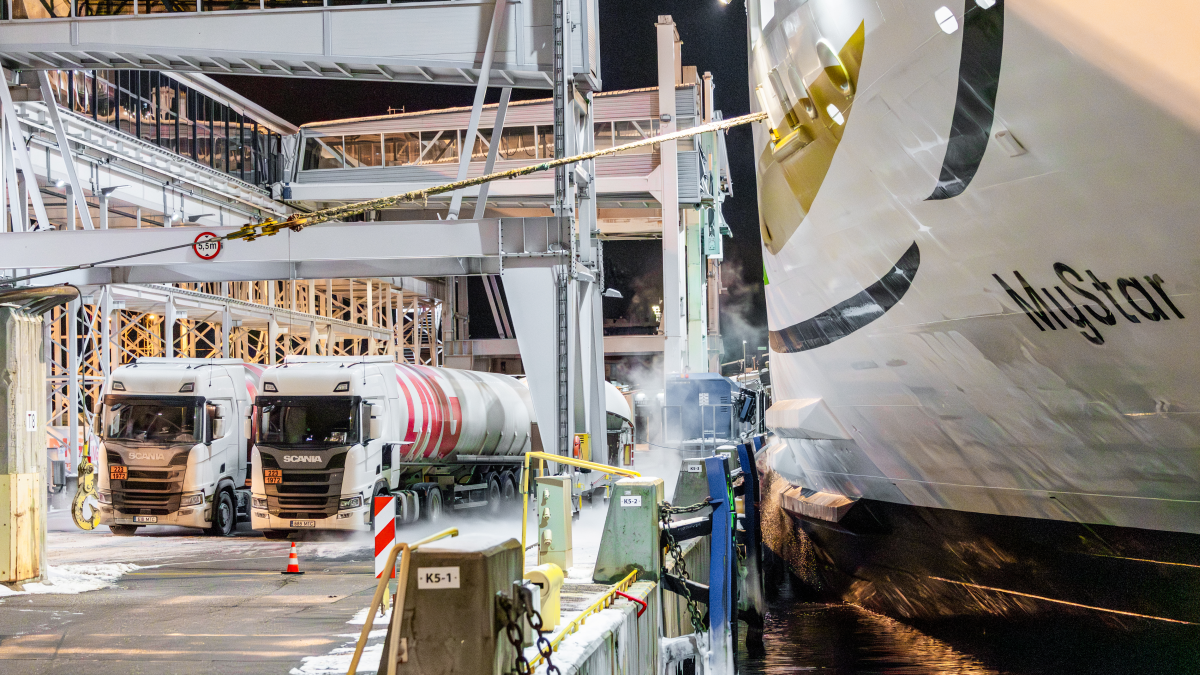
Tallink shuttle to run entirely on renewable energy
In January, 74% of the fuel used by Megastar and MyStar was liquefied biomethane (LBM), with Tallink reporting that it aims to replace its entire LNG demand with liquefied biomethane


Using fuel produced from renewable raw materials allows Tallink Grupp to meet the European Union’s and IMO’s greenhouse gas (GHG) reduction requirements. A complete transition to LBM will reduce GHG emissions by an estimated 75% compared with the use of fossil fuels, Tallink said in a statement.
The liquefied biomethane for Tallink’s shuttle ships is supplied by Elenger. All deliveries are accompanied by certificates confirming that a certain amount of fuel from renewable materials has been used in the fuel supply chain and that it complies with international standards. Tallink noted, “This is particularly important for freight companies that closely monitor their environmental footprint.”
“Megastar and MyStar, which operate with the busiest schedule between Tallinn and Helsinki, are real examples of how cleaner maritime transport is not just a topic for the future, but a reality today. By switching to biofuel, we have created the greenest bridge across the Gulf of Finland,” said Tallink Grupp chief executive Paavo Nõgene. “For Tallink, this is not just a change of fuel type, but a long-term strategic step. We are pleased that our partner Elenger has secured the necessary fuel quantities. If the price and availability of fuel remain favourable, we will continue to use liquefied biomethane in the long term,” Mr Nõgene confirmed.
Viking Line has also increased its use of biofuel - after announcing that it increased its use of biofuel tenfold last year, it has now secured another year at the same level.
Sign up for Riviera’s series of technical and operational webinars and conferences:
- Register to attend by visiting our events page.
- Watch recordings from all of our webinars in the webinar library.



Related to this Story
Events

Maritime Regulations Webinar Week
 16 Dec 2025
 GMT - ONLINE
Floating energy: successfully unlocking stranded gas using FLNGs and FSRUs
24 Feb 2026GMT - ONLINE
© 2026 Riviera Maritime Media Ltd.


