


Business Sectors
Events

Floating energy: successfully unlocking stranded gas using FLNGs and FSRUs
 24 Feb 2026
 GMT - ONLINE
Contents

Modular emissions system for mtu engines to be rolled out 'gradually'
Integrated exhaust gas treatment for 16-cylinder ferry and tugboat engines are the first of a phased release of the system across more of the OEM’s engine range


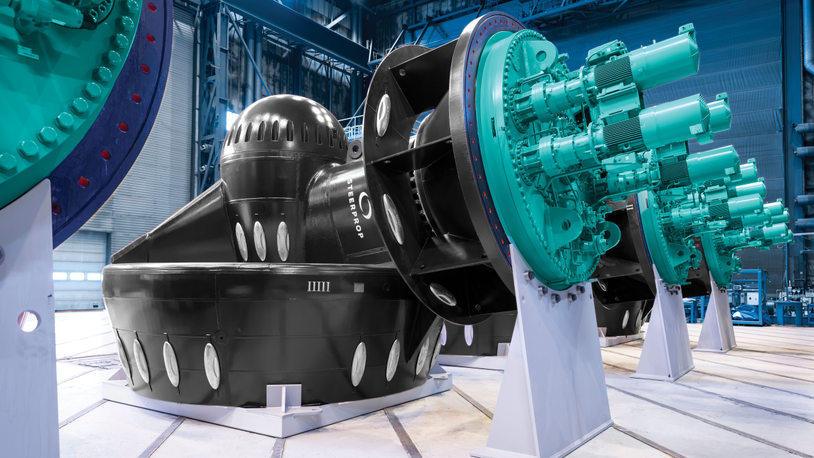
Rolls-Royce has updated its mtu selective catalytic reduction (SCR) systems to make them modular, more compact and lighter.
The new version of the SCR is around 40% smaller and 40% lighter than previous versions of the technology, according to the company.
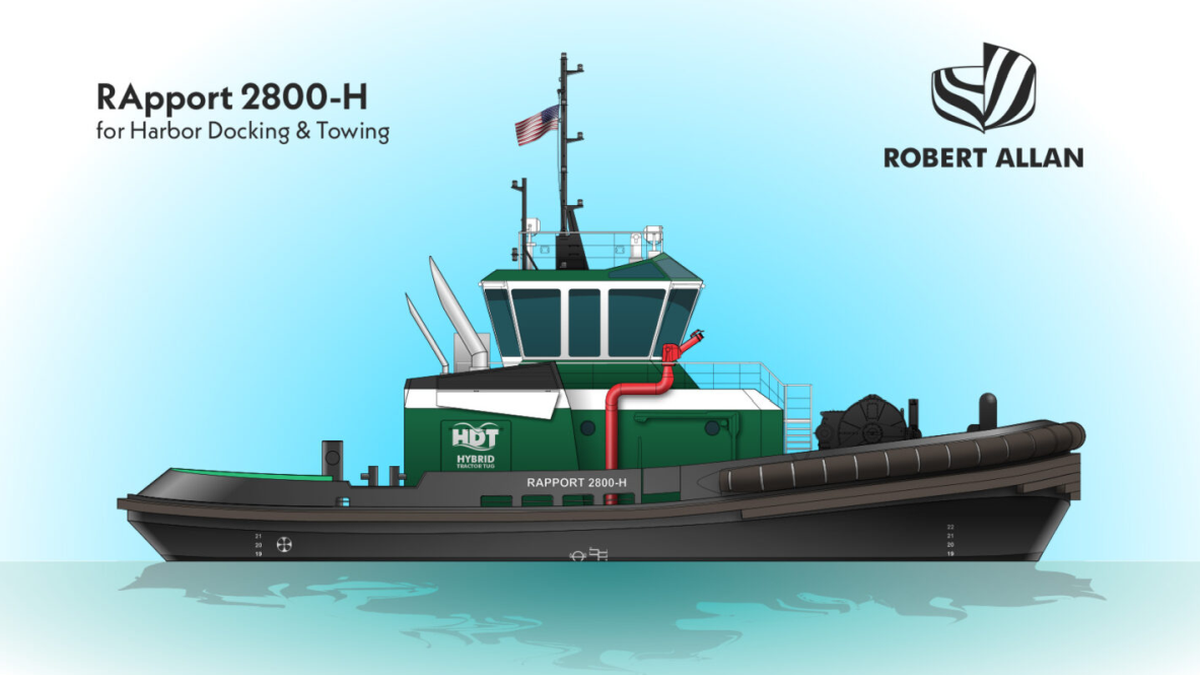
The initial systems are slated for use in integration with the company’s 16-cylinder mtu Series 4000 engine for tugboats and ferries as well as smaller vessels in the power range between 2,176 and 2,560 kW.
These vessel types are frequently operated in IMO Tier III emission control areas (ECAs) including in the Baltic and North Seas and around the North American coast, and the updated mtu SCR system complies with ECA rules by reducing nitrogen oxide emissions by 75% as compared with IMO II limits.
Further advantages, according to Rolls-Royce, include an increased service life of the ceramic SCR substrate to 18,000 operating hours, depending on the load profile, and a 15% reduction in lifecycle costs.
Rolls-Royce said it will "gradually offer the new generation of the mtu Flex SCR system for other mtu engines as well".
In 2022, Rolls-Royce said it would bring its large marine engines in the mtu 1163 and 8000 series into line with IMO’s Tier III emissions directive.
"From 2025, the engines are to be available in all cylinder variants – 16 and 20V respectively – in the power range between 4,800 and 10,000 kW. They will allow entry into ECAs in the Baltic and North Seas and off the North American coast," the company said.
At the time, Rolls-Royce said it was developing the necessary exhaust gas aftertreatment and SCR system to ensure it would work "precisely" with mtu engines. The company also said it was aiming to become an IMO emissions certificate holder, which would significantly reduce the workload for shipyard customers. The engines were to be approved for operation with sustainable fuels during the course of 2025, including EN15940, a type of hydrotreated vegetable oil, a renewable, fossil-free alternative to conventional diesel.
According to Rolls-Royce, "The most important change compared with the previous engines for IMO II is the new exhaust gas aftertreatment, the core component of which is an SCR system in which nitrogen oxide emissions are reduced by 75% compared with IMO II limits. It is a closed system in which the emissions upstream and downstream of the SCR system are continuously measured. This ensures optimal and compliant operation of the exhaust gas aftertreatment system."
Sign up for Riviera’s series of technical and operational webinars and conferences:
- Register to attend by visiting our events page.
- Watch recordings from all of our webinars in the webinar library.
Related to this Story
Events

Maritime Regulations Webinar Week
16 Dec 2025GMT - ONLINEFloating energy: successfully unlocking stranded gas using FLNGs and FSRUs
24 Feb 2026GMT - ONLINE
© 2024 Riviera Maritime Media Ltd.


