


Business Sectors
Business Sectors
Events
Contents
Register to read more articles.
Small-scale LNG enters capacity-led growth phase in 2026
New bunkering tonnage, bioLNG plants and downstream projects indicate a capacity-led growth phase for small-scale LNG from 2026 onwards


Small-scale LNG is set to enter a capacity-led growth phase from 2026, with a cluster of new bunker vessels to be delivered, bioLNG plants moving towards start-up and new downstream projects displacing diesel in power generation.
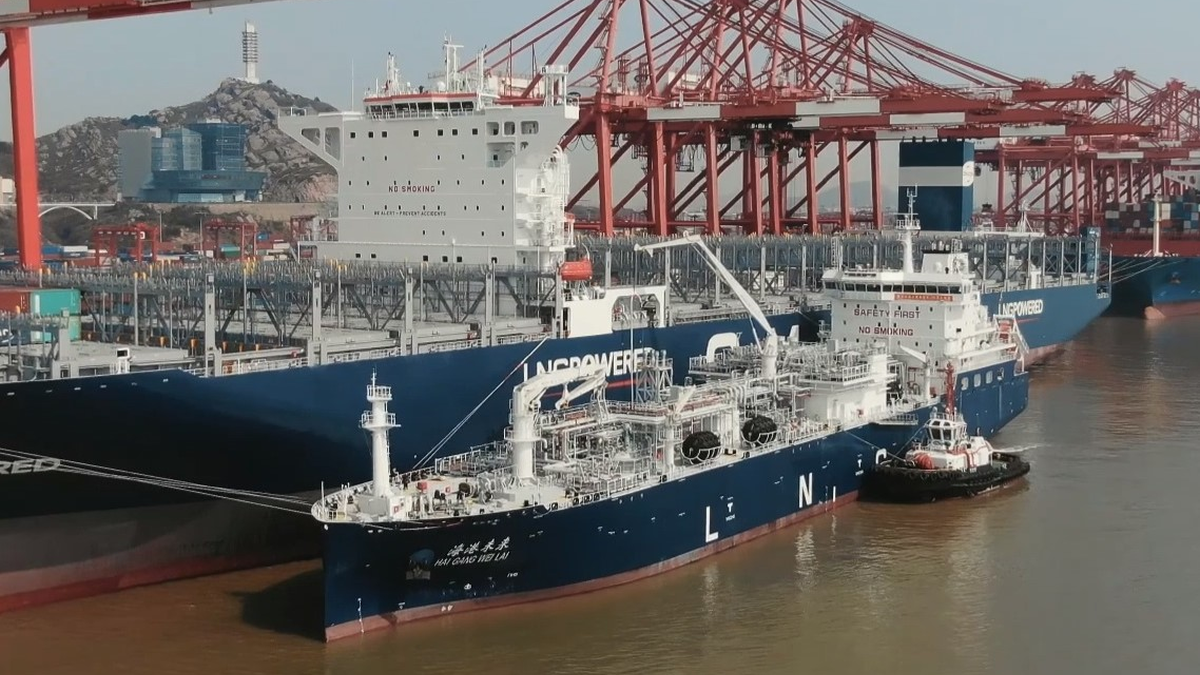
On the marine side, the bunker vessel orderbook points to an expanded fleet in European and Asian waters by 2027.
Avenir LNG has two 20,000-m³ LNG bunker and supply ships on order at CIMC SOE in China, scheduled for delivery in Q4 2026 and Q1 2027; and Enagás subsidiary Scale Gas has a 12,500-m³ LNG bunkering vessel under construction at the same yard, with delivery in 2026.
In northern Europe, Sirius Shipping and Gasum are progressing the FlexiLNG 7800 bunker vessel, which is intended to perform cool down and warming services for fuel and cargo tanks and is scheduled to enter service in 2027.
In northwest Europe, TotalEnergies and CMA CGM have agreed a 50/50 joint venture in Rotterdam that will include developing a 20,000-m³ LNG bunker vessel. The partners said operations at the Dutch hub are expected to start in 2028, with TotalEnergies supplying CMA CGM with up to 360,000 tonnes of LNG per year until 2040 under the associated supply agreement.
In Asia, additional bunkering capacity is due around key container and gateway ports with Shanghai International Port Group’s dedicated LNG bunkering vessel expected to be commissioned in mid-2027, with cargo-handling, fuel and reliquefaction systems scheduled for delivery to the yard in 2026.
In parallel, a series of small-scale LNG and bioLNG projects are reshaping the downstream supply picture.
In Indonesia, power company PLN EPI is leading a US$1.5Bn programme to distribute LNG to 41 diesel-fired power plants using a hub-and-spoke model, with operations targeted between 2026 and 2027.
In Europe, France’s energy regulator has recognised small-scale LNG truck loading and bunkering from large import terminals in its tariff consultations.
BioLNG capacity is expected to play a larger role in this small-scale network in the second half of the decade.
St1 Biokraft has taken an investment decision on a liquefied biogas plant (LBG) with a planned output of 130 GWh of LBG and 17,000 tonnes of liquid CO2, with production start-up scheduled for 2027.
Eskilstuna Biogas plans a 70-GWh LBG plant outside Eskilstuna in Sweden to supply municipal services and Destination Gotland’s ferry operations; and Nordsol has been selected by Vireo to provide liquefaction technology for a new Norwegian LBG plant that will convert locally produced biogas into renewable LBG for heavy transport and shipping.
In the near term, the sector appears likely to deepen its role as a transition fuel for shipping and remote power, supported by existing infrastructure and established technology.
Beyond 2030, its trajectory will depend on how quickly alternative low- and zero-carbon fuels scale in practice, and on whether policymakers treat bioLNG and small-scale LNG logistics as a pragmatic pathway to decarbonisation or a temporary bridge that should give way to other options.
Sign up for Riviera’s series of technical and operational webinars and conferences:
- Register to attend by visiting our events page.
- Watch recordings from all of our webinars in the webinar library.


Related to this Story



Events

Maritime Regulations Webinar Week
 16 Dec 2025
 GMT - ONLINE
Floating energy: successfully unlocking stranded gas using FLNGs and FSRUs
24 Feb 2026GMT - ONLINE
© 2026 Riviera Maritime Media Ltd.


