


Business Sectors
Business Sectors
Events
Contents
2024's top stories in Marine Propulsion & Auxiliary Machinery
We look back over our most read stories from the year to revisit the topics that your reading habits revealed as key issues in the maritime industry in 2024


In the maritime propulsion world, Marine Propulsion & Auxiliary Machinery readers have avidly followed emerging fuels and engine technologies, with some of the most read stories this year and in 2023 featuring the development of new engine technologies such as fuel cells and new fuels, including a healthy interest in ammonia and methanol.
To read each story in full, click on the headline, the image or the link at the end of the text.
Sign up for Riviera’s series of technical and operational webinars and conferences in 2025:
- Register to attend by visiting our events page.
- Watch recordings from all of our webinars in the webinar library.
1. New engines developed for ammonia, hydrogen and methanol
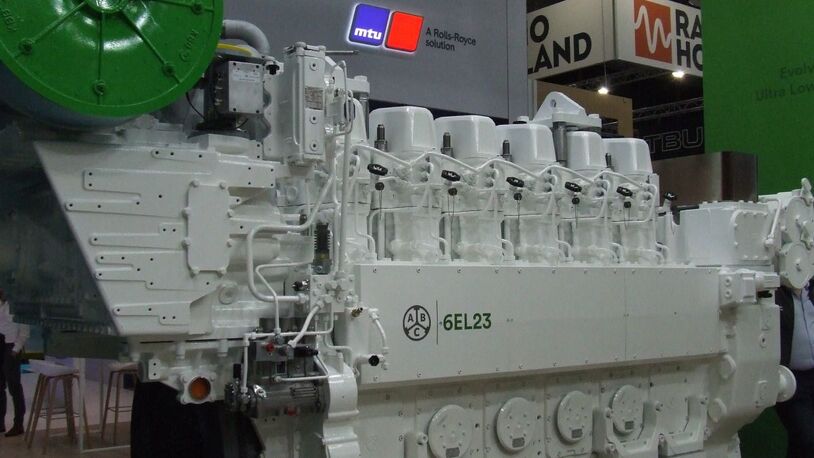
IHI Power Systems is preparing its first dual-fuel engines in Japan, to retrofit onto a tugboat for ammonia-fuelled propulsion, which the company presented at Riviera’s ITS Convention 2024. The Japanese engineering group is working in collaboration with NYK Line, Nihon Shipyard Co, Japan Engine Corp and ClassNK on the ammonia-fuelled A-Tug, ready to deploy in 2024. Keihin Dock Co will convert the ammonia-fuelled A-Tug with Niigata four-stroke dual-fuel engines and Shin-Nippon Kaiyosha will operate and manage the vessel.
2. Methane slip up: study reveals levels twice those assumed by EU
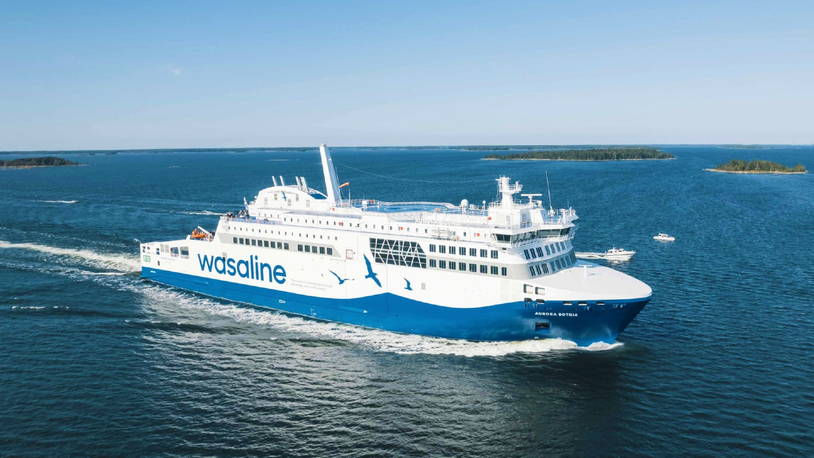
A new study using real-world measurements of methane emissions from the plumes of 18 ships with four-stroke, LNG dual-fuel engines found methane slip to be more than twice as much as estimates used by the EU. The findings were gathered under the Fugitive and Unburned Methane Emissions from Ships project, and were released by international collaborators, International Council on Clean Transportation, Danish emissions measuring specialist Explicit ApS and the Netherlands Organisation for Applied Scientific Research.
3. New four-stroke diesel-electric concept: more cargo, less fuel
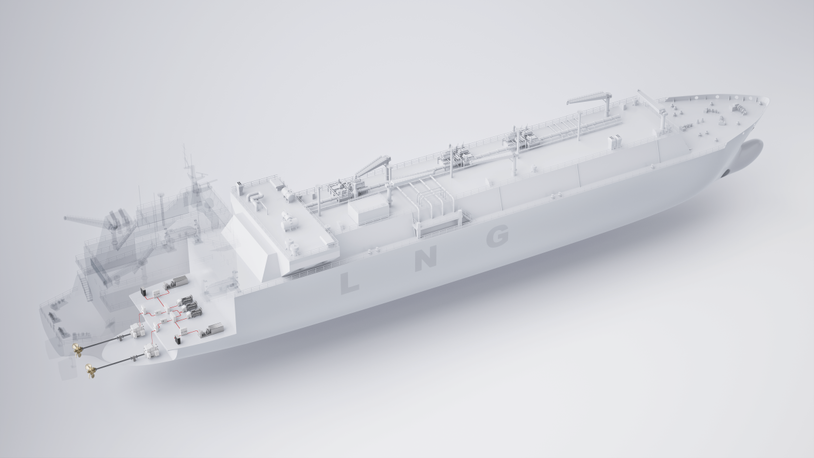
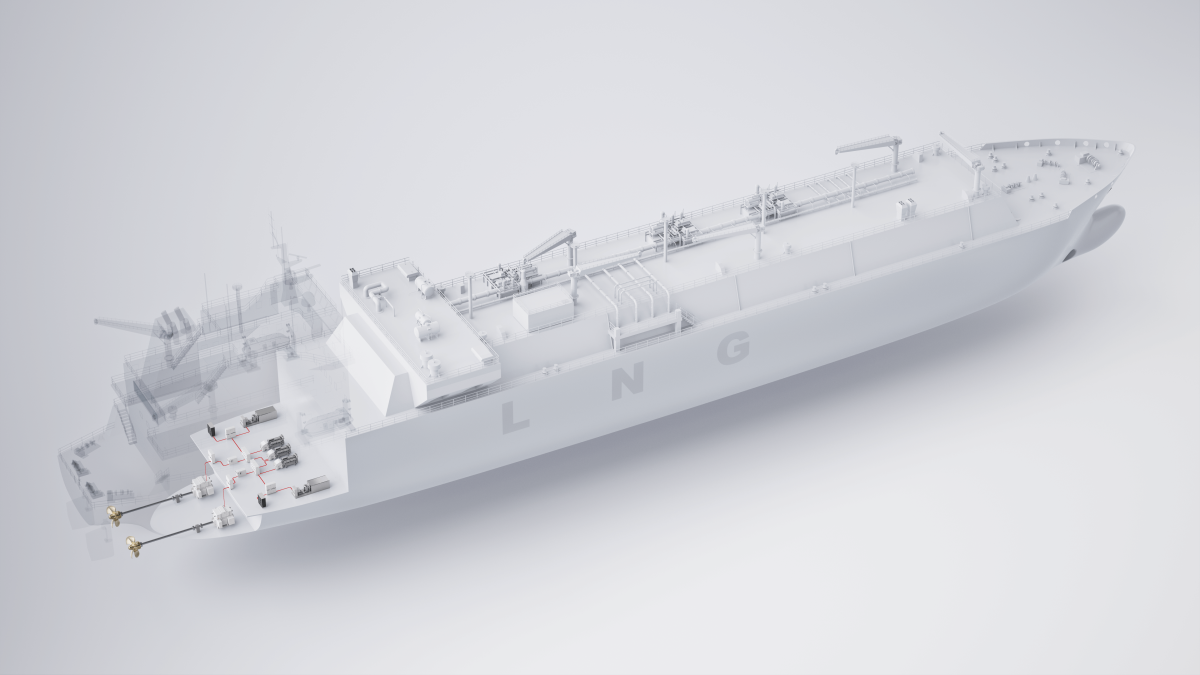
A reimagined diesel-electric propulsion concept that uses new four-stroke engine technology offers “a competitive and more energy-efficient alternative to even the most efficient conventional dual-fuel LNG carrier propulsion designs,” according to a recent DNV study.
The study verifies the potential energy efficiency and potential cargo gains from the concept, called DFE+, which employs existing components from engine maker MAN Energy Solutions (MAN ES) and marine technology and system integrator, ABB. These components include ABB Dynamic AC controls, batteries, four-stroke, dual-fuel engine technology from MAN ES, permanent magnet motors, predictive emissions monitoring system and Azipods.
4. IMO and onboard carbon capture, storage and sequestration
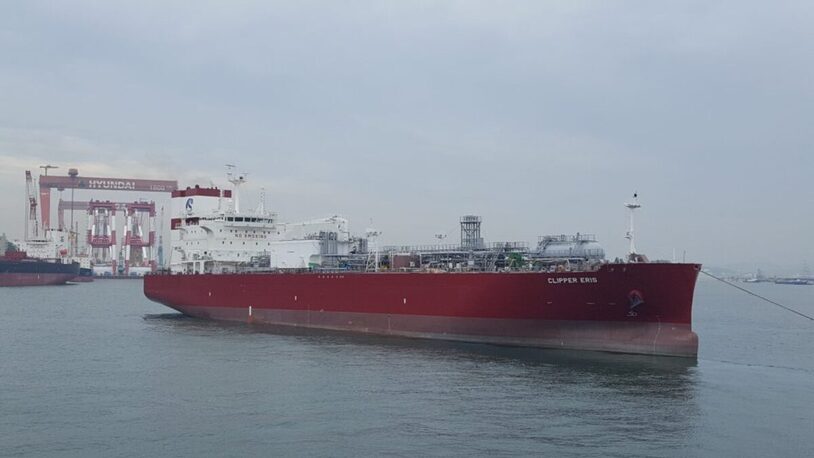
IMO is shaping global shipping’s future with regulations on onboard carbon capture and storage, carbon dioxide sequestration and cleaner fuel standards to meet its 2050 climate goals.
These initiatives, led by the Intersessional Working Group on Greenhouse Gases and other IMO bodies, have been described as critical elements in addressing the shipping sector’s environmental footprint and ensuring IMO’s climate goals for 2050 are met.
5. Methanol fuel: challenges and solutions for newbuilds and retrofits
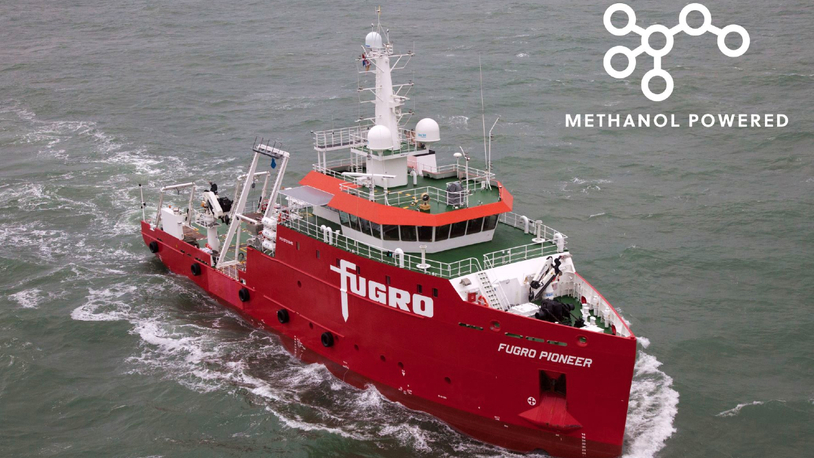
There has been a barrage of newbuild orders at shipyards for ships operating on methanol fuel, but there are still class and regulatory challenges to address before owners prepare to retrofit existing vessels.
Key technical challenges include installing cofferdams for storage tanks and dual-fuel or methanol-only engines, fuel systems and bunkering stations.
The shortage of green methanol supply, bunkering infrastructure, global regulations and rules also need to be solved.
An expert panel tackled these during Riviera Maritime Media’s Pathway to 2030 and beyond: Methanol as a marine fuel webinar, held 8 May during Riveria’s Marine Propulsion: Fuels Webinar Week.
Sign up for Riviera’s series of technical and operational webinars and conferences in 2025:
- Register to attend by visiting our events page.
- Watch recordings from all of our webinars in the webinar library..

Related to this Story

Events

Maritime Regulations Webinar Week
 16 Dec 2025
 GMT - ONLINE
Floating energy: successfully unlocking stranded gas using FLNGs and FSRUs
24 Feb 2026GMT - ONLINE
© 2026 Riviera Maritime Media Ltd.


