


Business Sectors
Events

Floating energy: successfully unlocking stranded gas using FLNGs and FSRUs
 24 Feb 2026
 GMT - ONLINE
Contents
Register to read more articles.
The challenge facing the scrubber industry
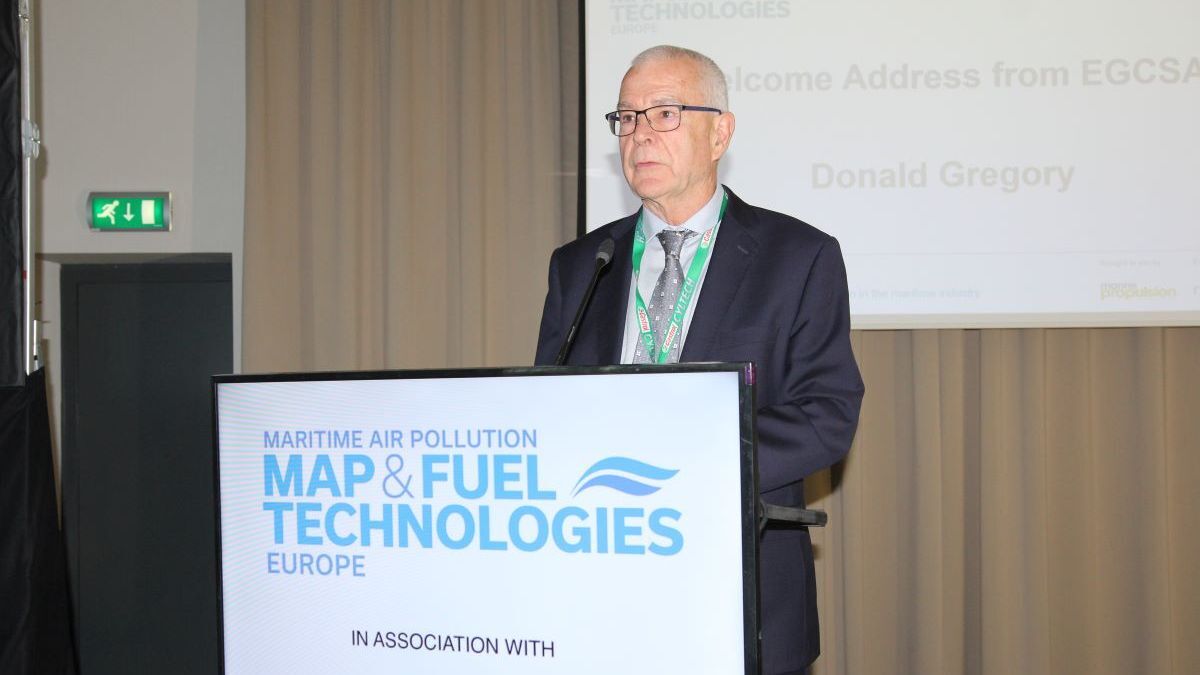
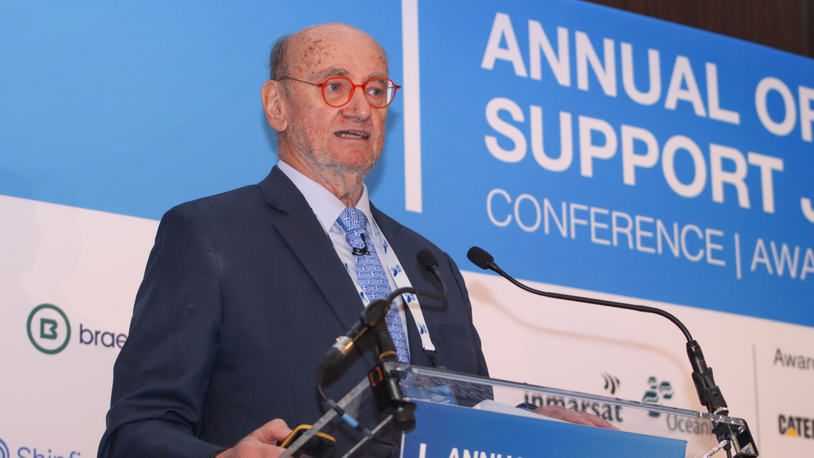
EGCSA director Don Gregory gave the keynote speech on the second day of the Maritime Air Pollution & Fuel Technologies Conference, Europe, in Amsterdam


Speaking at the Maritime Air Pollution & Fuel Technologies Conference, Europe Mr Gregory looked back at the development of scrubber technology, from the days of coal-based power stations, to the challenges facing the scrubber industry today.
The location of the power stations in central London allowed wastewater to run directly into the tidal portion of the river Thames. Today, scrubber wastewater has become a hot topic among regulators and port authorities, even though early studies of scrubber wastewater were conducted at academic institutions and were given a “clean bill of health,” said Mr Gregory.
By the mid-2000s, Environmental Impact Assessment studies included compounds such as polycyclic aromatic hydrocarbons (PAH), which were present in waters along the North Sea coast. It was observed PAH concentrations in the North Sea were temporal and dependent on the output from the local coal-powered power stations with higher concentrations of PAH during winter.
The application of scrubbers for marine engines was the result of independent development of the technology by companies such as MAN, Alborg, Shell, BP and several others.
At the conclusion of his keynote speech, Mr Gregory warned the exhaust gas cleaning industry should be aware of a subtle move by the European Commission to include a method to ban the use of scrubbers in ports, through the pretext of harmonising IMO rules on exhaust gas cleaning system discharge water.
The European Commission, with member states, has submitted a paper (MEPC 74/14/1), Proposal for evaluation and developing harmonised rules and guidance on the discharge of liquid effluents from exhaust gas cleaning systems, to the Marine Environment Protection Committee (MEPC).
The paper suggests “present knowledge on the composition and harmfulness to the marine environment of liquid effluents discharged by the majority of these systems into ports and sensitive sea areas lead states to take local or regional restriction or prohibition measures.”
This confusing profusion of local and regional regulations on wastewater could be tidied up by the introduction of a harmonised approach.
The paper specifies it is a matter of urgency (within the span of two MEPC sessions) to introduce the harmonisation process – the key objective being, “It is considered necessary to take appropriate regulatory measures, taking into account scientific knowledge, to protect certain areas from pollution resulting from the mentioned discharges, which could also include discharge bans from ships using a specific technology.”
The introduction of this measure, said Mr Gregory, would be to allow a port or member state to ban the discharge of wastewater on the grounds of scientific knowledge. Given that scientific knowledge in this particular area is incomplete or has indicated no risk to the marine environment, the EC has proposed a default option in the developed guidelines to simply enforce an outright ban as the easy option on the basis of the so called ’precautionary principle’.
Once in place, such a ban would be difficult to reverse. He also noted such a prescriptive approach is unlike any other MEPC rule or guideline. In the case of ballast water treatment, there was a delay in implementation while more scientific data was assessed and rules altered to match what was achievable with the technology available. Likewise, sewage discharge limits have been tightened up, but in no case has technology been banned if the technology is able to adapt to new tighter discharge limits.
The application of scrubbers is an essential prerequisite to the introduction of exhaust gas carbon capture and reducing emissions of black carbon and other air pollutants produced by diesel engines. The European Commission’s attempt to ’harmonise’ the rules and guidelines will delay these technology developments, seriously impacting human health and climate change.
Mr Gregory said these unsubstantiated and unscientific claims of harm caused by discharge water should be resisted and he urged concerned people to write to their local MP and MEPs to raise this issue to ensure a full debate at both IMO and European level.
Be sure to join us for Marine Propulsion Webinar Week. Register here.
Related to this Story
Events

Maritime Regulations Webinar Week
16 Dec 2025GMT - ONLINEFloating energy: successfully unlocking stranded gas using FLNGs and FSRUs
24 Feb 2026GMT - ONLINE
© 2024 Riviera Maritime Media Ltd.


