


Business Sectors
Business Sectors
Events
Contents
Register to read more articles.
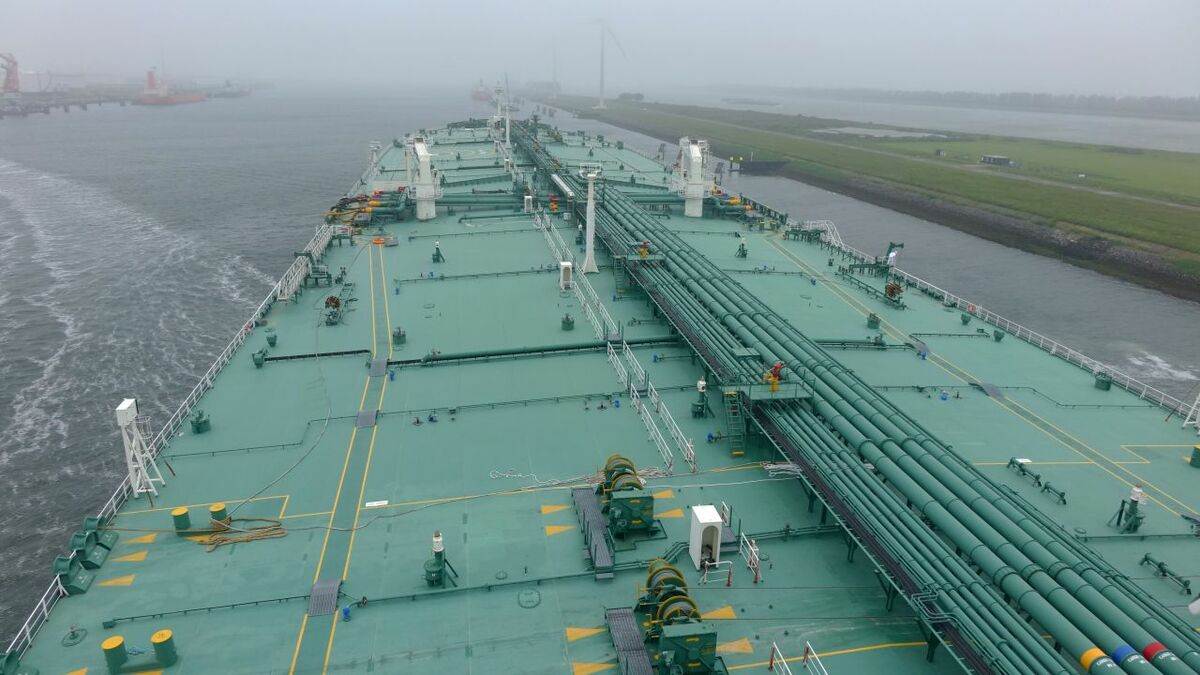
What large tanker owners and operators want in 2025
The large tanker industry faces fleet renewal challenges, fuel diversification and geopolitical risks as stakeholders prepare for the realities of 2025


The large tanker industry is entering 2025 with complex challenges and evolving priorities as owners and operators confront fleet renewal pressures, regulatory shifts and market uncertainties.
The ageing VLCC fleet and constrained shipyard capacity are pressing concerns, especially as the demand for new tonnage struggles to meet the realities of stricter chartering standards and an anticipated rise in oil demand from emerging markets.
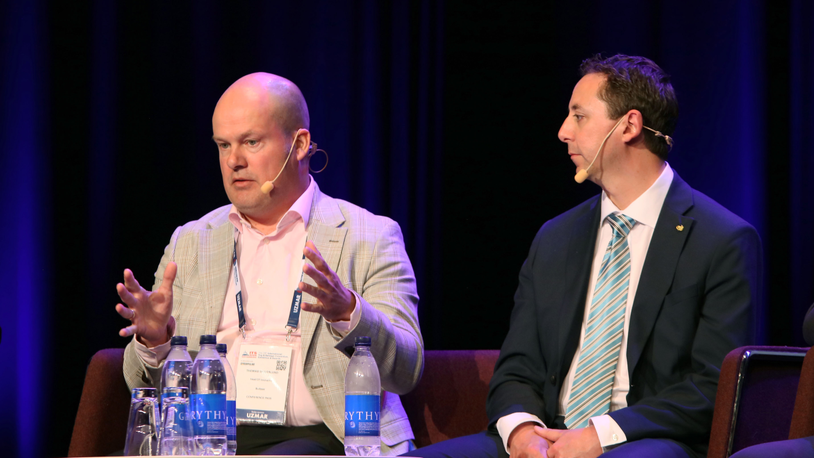
One participant at a recent forum* observed, “With the VLCC fleet ageing, and limited deliveries over the next few years, might we see a situation where charterers, oil majors in particular, have to change their age limits when chartering in ships?”
This question underscores the delicate balance between operational standards and market realities. Limited shipyard availability has only amplified these concerns, with 48% of poll respondents identifying shipyard capacity and pricing as the primary influence on tanker ordering decisions.
Fuel strategies are also at the forefront of industry discussions.
Owners and operators are grappling with uncertainty over future technologies, with one participant asking, “Given the uncertainty around future technologies and fuels, have companies jumped the gun with their focus on H2 and ammonia (and excluding LNG, for example), while others remain more prudent and open to different solutions?”
Despite this uncertainty, there is no consensus on a single fuel type for the future.
35% of poll respondents advocated integrating onboard carbon capture systems (CCS) with broader energy efficiency measures, while 45% highlighted the need for more compact and energy-efficient liquefaction systems to improve onboard CCS feasibility.
Tanker owners and operators are also looking for consensus on where demand will grow for tanker services.
One poll indicated India as the emerging market most likely to influence tanker demand over the next 15 years, with 73% of respondents identifying the country’s rising oil imports as a key driver.
Geopolitical risks remain another concern, particularly in regions such as the Middle East.
“With Asian demand projected to grow 18% in five years, how might geopolitical tensions in the Strait of Hormuz impact tanker routeing and design considerations?” asked one attendee.
Such tensions, coupled with the increasing reliance on ’ghost’ and ’shadow’ fleets to navigate the sanctioned oil trade, add complexity to the industry’s operations. The long-term viability of these fleets was also questioned, with one participant asking, “What factors determine the trading lifespan of vessels in the grey fleet, and how does this differ from the conventional tanker market?”
Regulatory compliance continues to drive industry innovation.
60% of respondents in a poll on maritime safety innovation cited regulatory requirements as the dominant factor shaping progress in the sector.
However, many stakeholders voiced concerns about the pace of action on environmental risks.
“What will it take before we see the older, often dark vessel, being permanently removed from the trading fleet?” one attendee asked, “Will we need to see a serious oil spill or environmental disaster before anything with real impact will happen?”
The industry’s financing landscape is also evolving, with banks increasingly stressing governance alongside environmental and social factors.
“ESG is more than just the ‘E,’” noted one participant, “S and G are becoming increasingly important in other industries and are likely to extend to ours too.”
As financing institutions scrutinise governance practices more closely, companies will need to ensure transparency and accountability to secure access to capital.
Looking ahead, tanker owners and operators are preparing to navigate a dynamic landscape defined by fleet renewal constraints, fuel diversification and geopolitical risks. The interplay of these factors will shape the future of the tanker industry as it adapts to shifting market and regulatory conditions.
*The poll was conducted anonymously via Slido throughout the Tanker Shipping & Trade Conference 2024 held in London on 22 October 2024. Register your interest in the Tanker Shipping & Trade Conference 2025 here.
Related to this Story


Events

Maritime Regulations Webinar Week
 16 Dec 2025
 GMT - ONLINE
Floating energy: successfully unlocking stranded gas using FLNGs and FSRUs
24 Feb 2026GMT - ONLINE
© 2026 Riviera Maritime Media Ltd.


