


Business Sectors
Events

Floating energy: successfully unlocking stranded gas using FLNGs and FSRUs
 24 Feb 2026
 GMT - ONLINE
Contents

Register to read more articles.
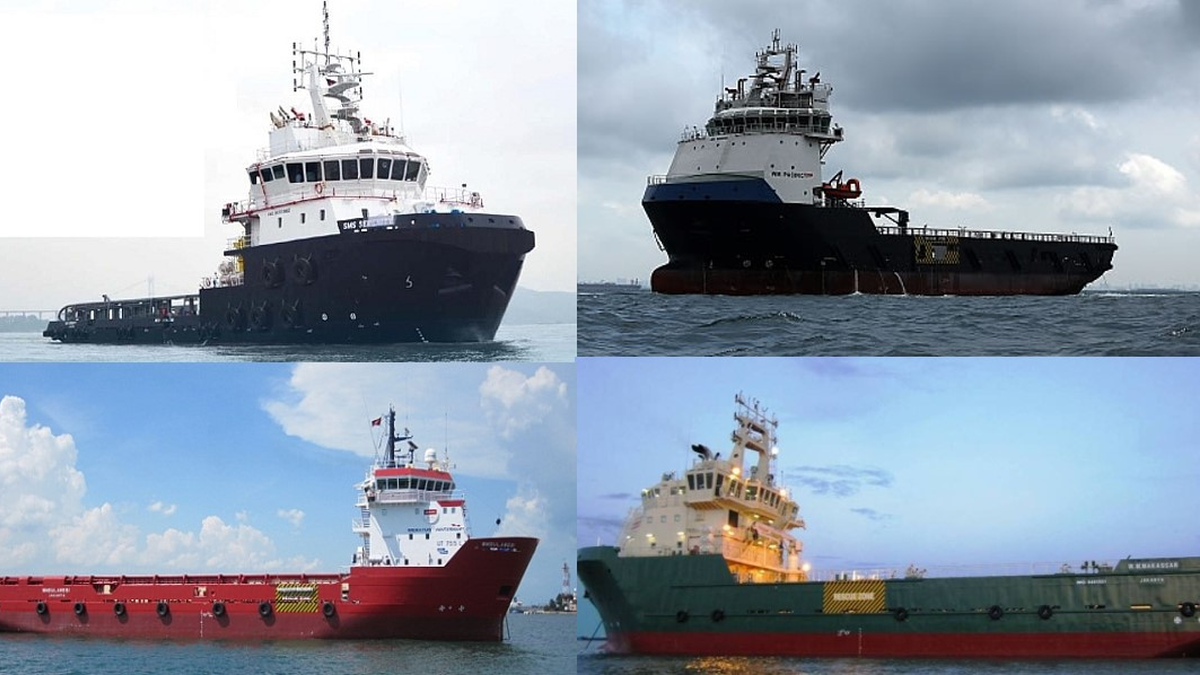
Wintermar invests to boost OSV fleet
Wintermar Offshore Marine will bring two offshore support vessels (OSVs) back into service and seeks purchase opportunities as demand for vessels in southeast Asia is set to soar


The Indonesian owner acquired two middle-tier OSVs and reactivated a vessel out of layout in 2023. Wintermar also plans to reactivate two high-tier platform supply vessels in H2 2024 to boost its fleet to 44 vessels by the start of 2025.
The group has increased its investment in vessel repairs and maintenance, with drydockings at the end of long-term charters and for class surveys.
With a stronger balance sheet and lower net debt than in 2022, Wintermar intends to become active in the sales and purchase market. “Management will be seeking opportunities for fleet rejuvenation to improve the fleet yield and diversify revenue sources through managing our fleet composition with investments in the current year.”
Expenditure in offshore oil and gas production in Indonesia and southeast Asia is surging.
Wintermar said it had US$75.0M of “contracts on hand as at end February 2024” as it reported a huge 500% jump in net attributable profits to US$6.7M in 2023 backed by higher charter rates and a 19% rise in revenues to US$72.6M.
But the company saw a 71% hike in maintenance costs from its owned fleet in 2023, compared with 2022, as three mid-tier vessels started operations in 2023 and one high-tier vessel commenced work near the end of 2022.
“These costs will stay high in line with our growing fleet of high-tier vessels,” said Wintermar. “Several of our high-tier vessels needed maintenance following the conclusion of long-term contracts.”
Its operational costs rose by 64% in 2023 due to several vessels working outside Indonesia where agency and other costs are higher. Wintermar’s OSVs operate in Indonesia, India, Brunei and Thailand, where it benefits from favourable charter rates.
“Additionally, fuel costs were up by 31%, as result of mobilisation and demobilisation costs of vessels working outside Indonesia,” said Wintermar. “Owned vessel gross margins increased to 23%, up from 16% in 2022, primarily due to increased charter rates. These improvements more than compensated for the higher direct expenses.”
Upstream oil and gas capex has risen in southeast Asia, with deepwater growing faster than shallow water spending, resulting in rising revenues and profits for vessel owners.
“There has been more aggressive charter rate hikes over the past year, in particular for high-tier vessels that cater to deeper offshore waters,” said Wintermar.
“Until now, Indonesian charter rates have lagged behind the global market in adjusting to higher demand. However, with recent discoveries in Indonesia and the approval of the Masela field development plan in Q4 2023, there will be increasing deepwater exploration and development work in Indonesia in the coming years which will underpin demand for high-tier vessels.”
There is a limited supply of OSVs in Indonesia, encouraging owners to invest in their fleets. “These tight conditions are expected to persist, which should push rates higher in the coming years,” said Wintermar, which expects opex to rise.
“There are challenges in operating an older fleet with higher maintenance costs and unavailable spare parts,” the company said. “We therefore expect higher annual maintenance and operational costs in line with our fleet age profile.”
Riviera Maritime Media’s Offshore Support Journal Conference, Americas will be held in Houston, Texas, 11-12 June 2024, click here for more information on this industry-leading event
Related to this Story
Events

Maritime Regulations Webinar Week
16 Dec 2025GMT - ONLINEFloating energy: successfully unlocking stranded gas using FLNGs and FSRUs
24 Feb 2026GMT - ONLINE
© 2024 Riviera Maritime Media Ltd.


