


Business Sectors
Business Sectors
Events
Contents
Register to read more articles.
US files US$103M lawsuit against owner and manager of box ship Dali
The US Department of Justice (DoJ) has filed a lawsuit against the owner and operator of Dali, the neo-Panamax container ship that destroyed the Francis Scott Key Bridge in Baltimore earlier this year


A civil suit filed in the District Court for the District of Maryland is claiming US$103M in costs incurred and punitive damages against the ship’s Singapore-based owner Grace Ocean Pvt Ltd and technical manager Synergy Marine citing reckless conduct and negligence.
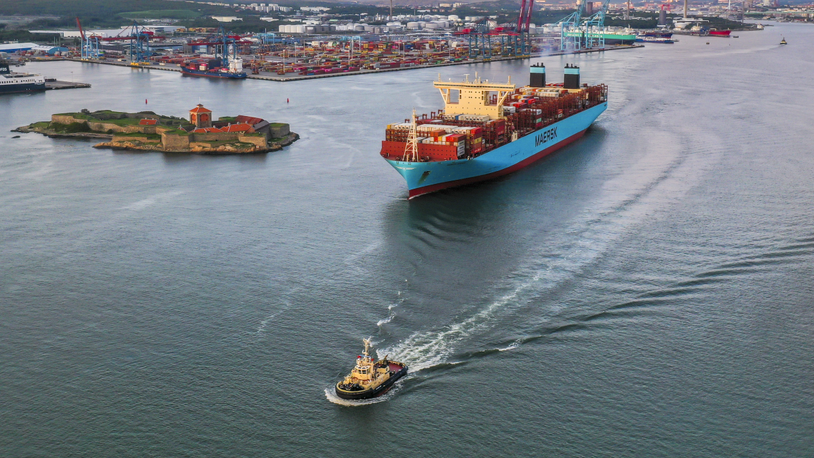
Dali was under charter to AP Moller-Maersk at the time.
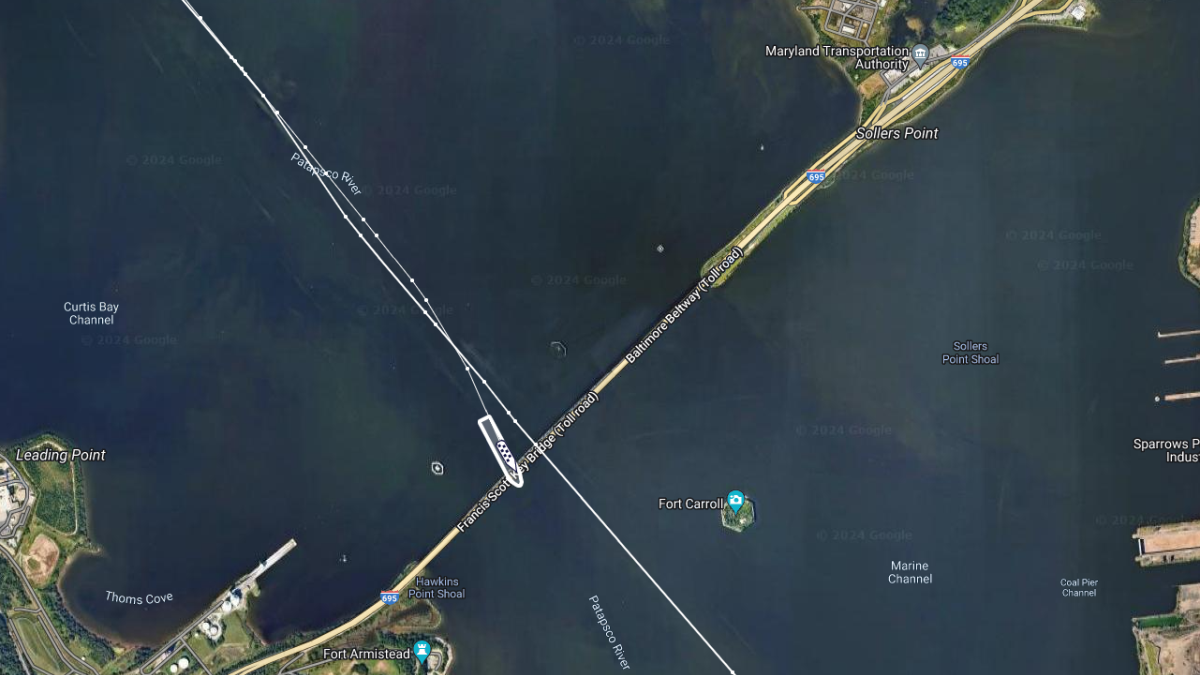
In the early hours of 26 March, Dali left the Port of Baltimore bound for Sri Lanka, when it lost power while navigating through the Fort McHenry Channel. While the ship was able to broadcast a mayday call, it regained power, but soon lost power before striking the Francis Scott Key bridge, with the major interstate highway bridge collapsing seconds later, killing six construction workers.
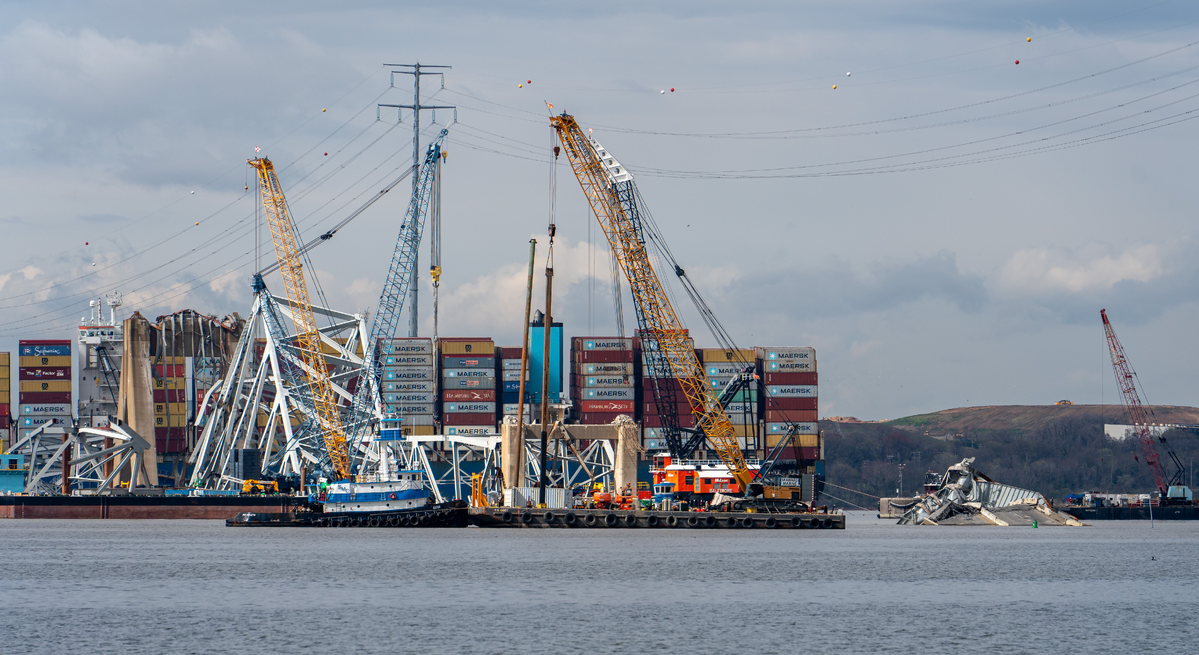
The wreck of Dali and the remnants of the bridge obstructed the navigable channel and brought all shipping into and out of the Port of Baltimore to a standstill.
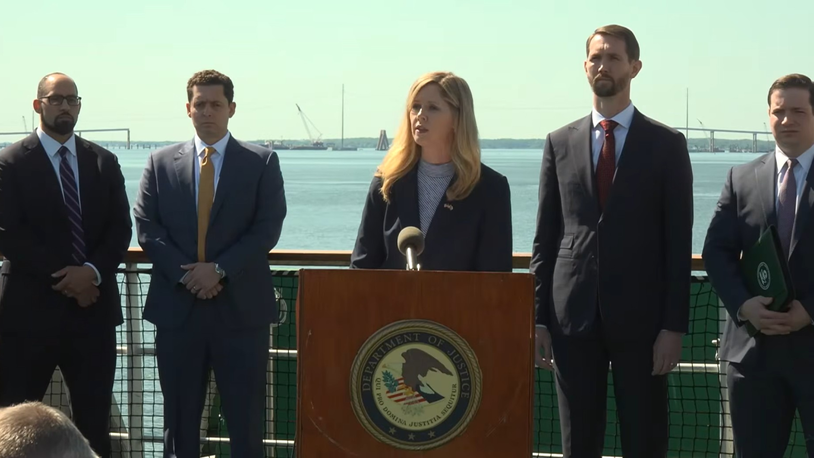
US Attorney General Merrick Garland said the DoJ will seek accountability for the bridge’s destruction, loss of life and disruption to commercial activity.
“With this civil claim, the Justice Department is working to ensure the costs of clearing the channel and reopening the Port of Baltimore are borne by the companies that caused the crash, not by the American taxpayer,” he said.
Dali was removed from Baltimore and moved to Norfolk, Virginia, for repairs in late June. As of 19 September, it had left Norfolk and is currently travelling in ballast for Ningbo, China, reportedly to undergo further repair.
The US law enforcement service, the Federal Bureau of Investigation (FBI), had reportedly boarded a separate Synergy Marine-managed vessel in the port of Baltimore in recent days, shortly after Dali left the port. FBI officials boarded Singapore-flagged, 10,000-TEU Maersk Saltoro, describing the action as “court-authorised law enforcement activity,” without going into detail.
Potential liability and further claims
The DoJ stressed the claim does not include any damages for the reconstruction of the Francis Scott Key Bridge.
A statement from the DoJ noted, “Since the State of Maryland built, owned, maintained and operated the bridge, attorneys on the State’s behalf may file their own claim for those damages. Subsequently, pursuant to the governing regulation, funds recovered by the State of Maryland for reconstruction of the bridge will be used to reduce the project costs paid by federal taxpayer dollars.”
For their part, both owner and operator initiated legal action seeking to limit their liability to US$43.7M, the value of the container ship Dali, using a federal law dating back to 1851.
The US government’s lawsuit is one of what is expected to be many claims against the Limitation of Liability Act case of Dali’s owner and technical manager. The remainder of claims are expected to be filed by 24 September.
The US DoJ’s civil suit seeks to recover costs incurred by government authorities in responding to the disaster, including removing the bridge parts from the channel, clearing the entangled wreck, the bridge debris and abating the risk of oil pollution. Government agencies claim they had to remove “about 50,000 tonnes of steel, concrete, and asphalt from the channel and from Dali itself.”
The Fort McHenry Channel was cleared by early June and the Port of Baltimore reopened for commercial navigation.
The lawsuit alleges negligence on behalf of the ship’s owner and operator, accusing them of doing nothing to mitigate the issues on the ship. Specific assertions state that none of the four means that should have been available to help steer Dali – the propeller, rudder, anchor or bow thruster – worked when they were needed to avert or even mitigate a collision.
The DoJ’s claim also seeks punitive damages to deter the owner and operator of Dali and others.
In May, the National Transportation Safety Board report found the first blackout on board Dali during the ship’s port stay in Baltimore occurred during maintenance on a scrubber system, and the second blackout was linked to low fuel pressure in a backup generator.
“The owner and operator of Dali were well aware of vibration issues on the vessel that could cause a power outage. But instead of taking necessary precautions, they did the opposite,” said Principal Deputy Associate Attorney General Benjamin Mizer.
“Out of negligence, mismanagement, and, at times, a desire to cut costs, they configured the ship’s electrical and mechanical systems in a way that prevented those systems from being able to quickly restore propulsion and steering after a power outage. As a result, when Dali lost power, a cascading set of failures led to disaster.”
Sign up for Riviera’s series of technical and operational webinars and conferences:
- Register to attend by visiting our events page.
- Watch recordings from all of our webinars in the webinar library.



Related to this Story
Events

Maritime Regulations Webinar Week
 16 Dec 2025
 GMT - ONLINE
Floating energy: successfully unlocking stranded gas using FLNGs and FSRUs
24 Feb 2026GMT - ONLINE
© 2026 Riviera Maritime Media Ltd.


