


Business Sectors
Events

Floating energy: successfully unlocking stranded gas using FLNGs and FSRUs
 24 Feb 2026
 GMT - ONLINE
Contents
Independent monitoring, instant data, better outcomes
Wireless data transfer through water enables better reporting from a range of applications, including water quality detection


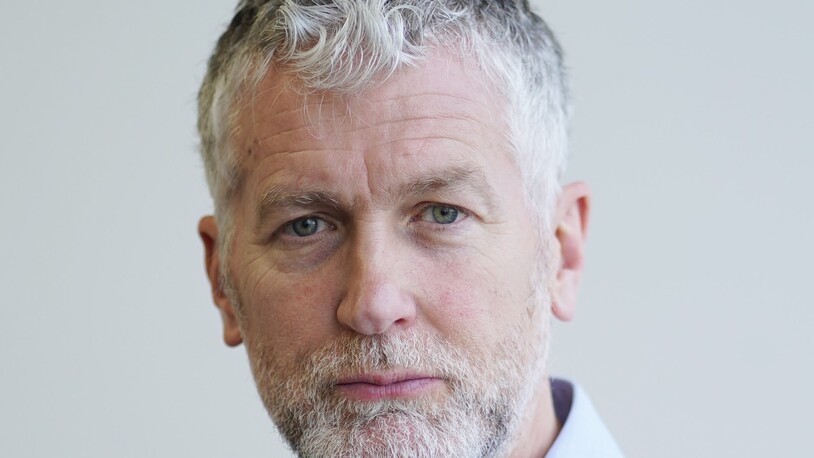
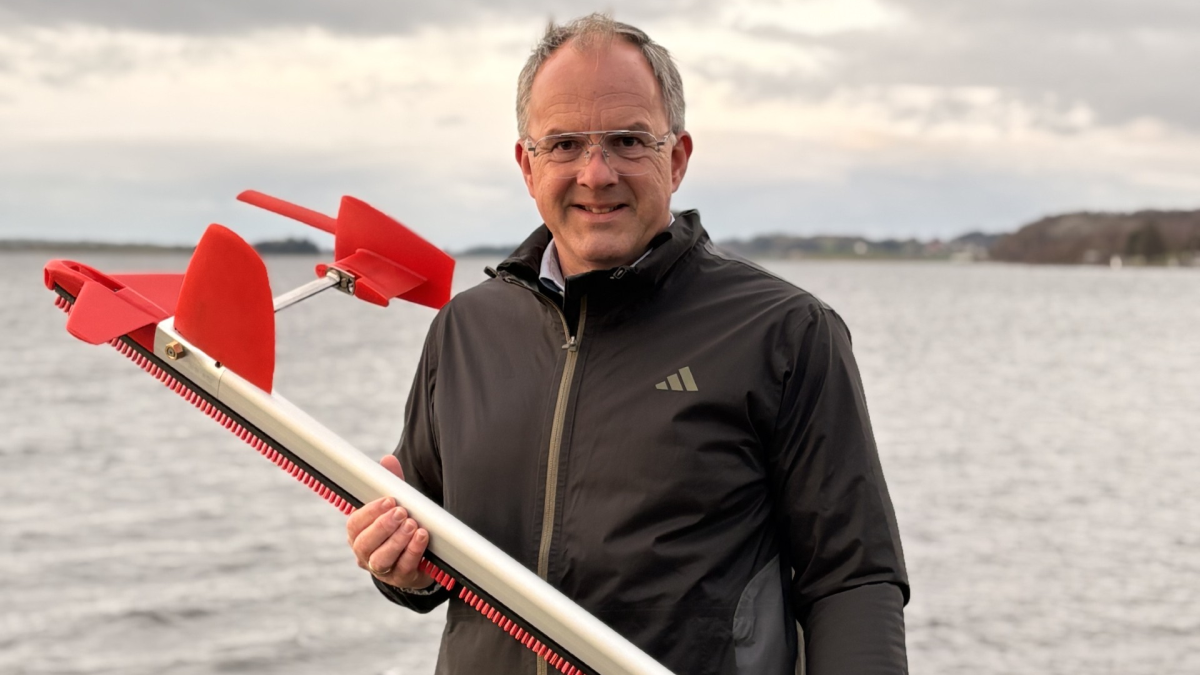
CSignum chief commercial and operating officer Graeme Boyce’s perspective is grounded in shipbuilding roots, a Master’s degree in energy and environmental science, and subsequent roles spanning OEM manufacturing and high-pressure systems for oil and gas before moving into strategy, operational efficiency and sustainability consulting.
Today, he focuses on technologies for wireless data transfer through water, rock and ice with applications across water quality, maritime and offshore, and defence.
He will explain how this relates to greywater and blackwater compliance when he participates in the 30 October, 09:00 GMT webinar: Greywater and blackwater: improving the compliance gap.
Mr Boyce described two decisions that shaped his path – moving from shipbuilding into energy and environmental science, and choosing technology-driven businesses where innovation aligns with environmental responsibility.
He said these choices now converge in his current role, allowing strategy, technology and sustainability to support maritime industries and environmental monitoring.
His present focus includes continuous water-quality monitoring and work with major utilities in the UK demonstrating how wireless underwater IoT can change the way operators track and manage water quality.
He is also trialling maritime applications to show how data transmitted from beneath the hull can support efficiency and environmental objectives, reinforcing the case for commercially scalable solutions with environmental benefit.
Mr Boyce identified a set of challenges for the sector: tighter decarbonisation rules with uneven adoption, underwater data blind spots, conservative operational cultures that slow innovation, and an environmental pace that exceeds monitoring deployment.
He argued the largest opportunity lies in data-driven collaboration so that reliable, real-time environmental information can move operators from compliance-driven monitoring to predictive protection.
He noted that sensor-agnostic wireless transfer through challenging media can scale monitoring, embed sustainability in operations and build partnerships across utilities, shipowners, defence and regulators.
His takeaway for delegates is direct, “You can’t manage what you can’t measure. By making the unseen visible, utilising wireless technology to reduce risk, cost and increase efficiency, we can turn maritime environmental protection from a cost into a source of resilience, efficiency and long-term value.”
Mr Boyce will expand on these themes during the webinar.
Riviera’s Marine Environmental Protection Webinar Week will be held 28-30 October. Use this link for more information and to register for these webinars.
Related to this Story

NZF delay: what next for IMO’s headline policy?
Events

Maritime Regulations Webinar Week
16 Dec 2025GMT - ONLINEFloating energy: successfully unlocking stranded gas using FLNGs and FSRUs
24 Feb 2026GMT - ONLINE
© 2024 Riviera Maritime Media Ltd.


