


Business Sectors
Events

Floating energy: successfully unlocking stranded gas using FLNGs and FSRUs
 24 Feb 2026
 GMT - ONLINE
Contents
Register to read more articles.
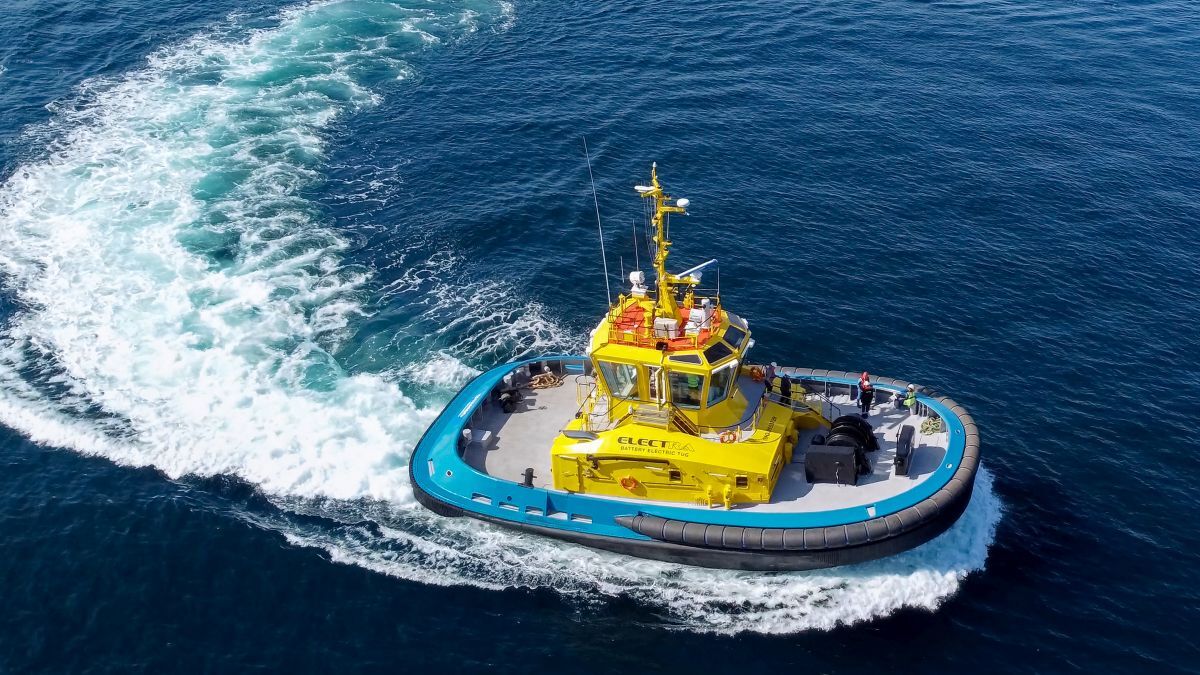
SAAM Towage plans electric and hybrid tug deployments
With two battery-electric tugs operating in Canada, and one on its way to Chile, the Latin American major is working with Caterpillar to produce methanol-hybrid propelled tugboats


SAAM Towage, a leading tug owner implementing green propulsion technology on its vessels, wants to use this experience to go further to cut emissions from towage in the Americas.
The Chile-headquartered owner owns three electric-powered tugboats, two operating in the Port of Vancouver in Canada – SAAM Volta and Chief Dan George – and one heading to its home market.
All three tugs were built by Sanmar Shipyards to Robert Allan Ltd ElectRA designs with Corvus Energy battery systems and Caterpillar generators as back up. The electric-drive vessel heading to Chile is a 25-m tug with a beam of 13 m, a draught of around 6 m, battery capacity of 3,616 kWh and a speed of more than 12 knots, to support Enap’s requirements for ship towage and docking in Puerto Chacabuco, in the Aysen region.
SAAM Towage sustainability and development manager, Pablo Caceres, says the owner plans to extend this model to other ports, but there are challenges that could require other solutions.
SAAM Towage has formed a partnership with Caterpillar Marine, through a memorandum of understanding, to evaluate, analyse and implement power solutions including electrification and alternative fuels, across its tugboat fleet.
They plan to test a diesel and methanol dual-fuel engine on tugs in 2026 and will also consider ethanol as an alternative fuel as this is readily available in South America, particularly in Brazil.
A Cat 3500E-series methanol dual-fuel engine will be adopted initially, which Caterpillar expects to begin testing this year.
“This alliance is in line with the sustainable development objectives the company has set for itself,” says Mr Caceres. “It is a powerful tool to address the challenges presented by climate change and the decarbonisation efforts of the global maritime industry.”
Both companies will also evaluate operating tugs with hybrid propulsion or all-electric drivetrains with large energy storage systems and Caterpillar back-up generators.
“Adopting alternative energy sources that reduce greenhouse gas emissions, such as electrification and less carbon-intensive fuels, positions us at the forefront of maritime innovation,” says Mr Caceres.
These tugs can use diesel, with engines connected to selective catalytic reduction (SCR) units for IMO Tier III emissions compliance for now, but transitional fuels will be needed in the future.
SAAM Towage has formed technological partnerships with universities, research centres, and strategic suppliers, including Caterpillar, to evaluate available and emerging alternatives to reduce emissions and improve the energy efficiency of its tugboats.
It is also using data collated from its experience with battery-electric tugs to substantiate the environmental and operational advantages, such as reducing emissions, maintenance costs and fuel consumption. It is anticipated these partnerships and increased understanding of the benefits will facilitate more investment in electric and hybrid-propulsion tugboats.
Caterpillar will work with SAAM Towage along that journey, says Caterpillar Marine vice president and general manager Brad Johnson.
“We are committed to supporting SAAM Towage in reducing fuel consumption and greenhouse gas emissions during idle time, while enhancing the operational efficiency of its fleet,” he says. “Maritime electrification and the use of alternative fuels offer significant opportunities for the tugboat segment, depending on operators’ needs.”
SAAM Towage provides towage and marine services at more than 90 ports in 13 countries in the Americas. With more than 150 tugs powered by Caterpillar Marine engines, SAAM Towage works closely with the manufacturer to use the latest technologies to improve fleet performance.
Corvus has supplied its Orca energy storage systems (ESS) for all SAAM Towage’s electric tugs as well as those operated by HaiSea Marine in British Columbia, and on Crowley’s eWolf, working in the Port of San Diego, California. “Corvus Orca ESS is the most installed marine battery system worldwide, operating in over 700 hybrid and electric vessels around the world,” the Norwegian manufacturer claims.
“Tugboats and workboats were among the first maritime vessels to use zero-emissions technology. Looking ahead, this trend will continue. Their near-shore operations and access to recharge regularly make them ideal candidates to use battery power for its energy efficiency, emissions reduction and operational cost saving benefits.”
’sTugTechnology 2025Use this link for more information and to register- and this link to vote for the ITS 2025 Awards
Riviera’s Maritime Hybrid, Electric & Hydrogen Fuel Cells Conference & Exhibition returns to Bergen on 14-16 October 2025! Use this link to get more information and tickets to this international event. Plus! We’re now accepting abstract submissions for papers! Please submit your ideas to Sue Woolley at sue.woolley@rivieramm.com. For any enquiries about this event, please contact Indrit Kruja or Rob Gore.

Related to this Story
Events

Maritime Regulations Webinar Week
16 Dec 2025GMT - ONLINEFloating energy: successfully unlocking stranded gas using FLNGs and FSRUs
24 Feb 2026GMT - ONLINE
© 2024 Riviera Maritime Media Ltd.


