

Contents
Survey’s/Polls (coming soon)
Special Reports (coming soon)
Business Sectors

Business Sectors
Business Sectors
Business Sectors
Events
Contents
Contents
Survey’s/Polls (coming soon)
Special Reports (coming soon)
Read the views of the experts:
Opinion



Methanol-fuelled tugs to begin operations in 2026
19 Feb 2026by Martyn Wingrove



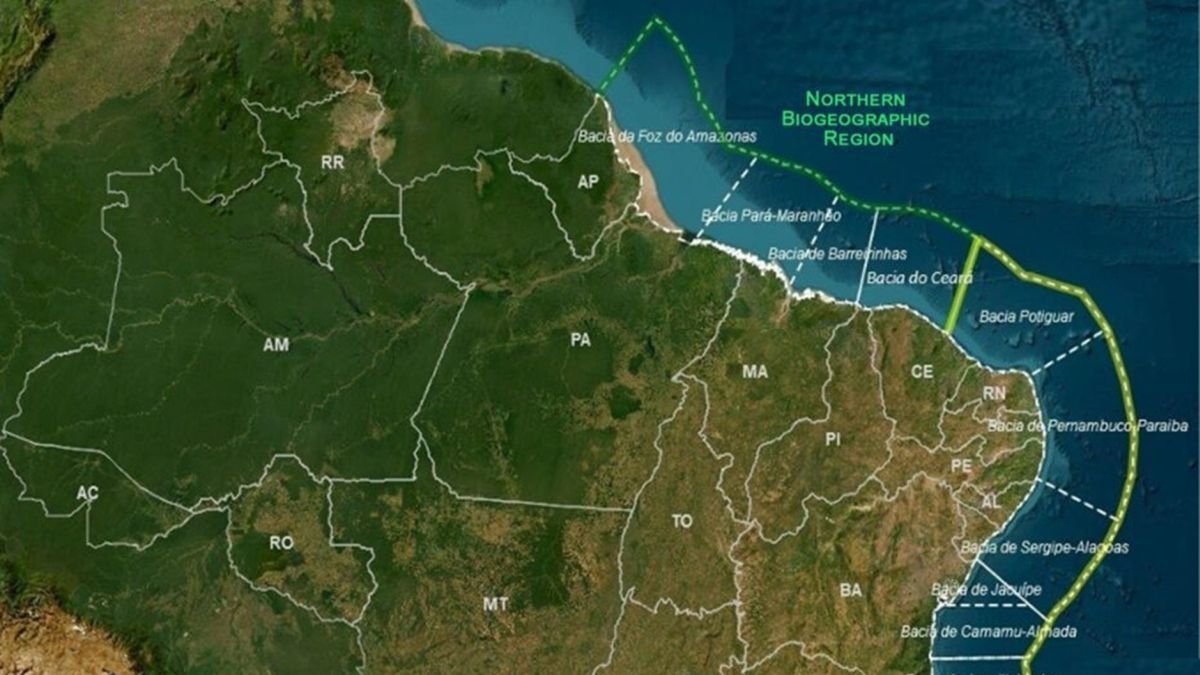
2026 in marine environmental protection: rules tighten to reduce ship discharges post-2026
13 Jan 2026by Craig Jallal
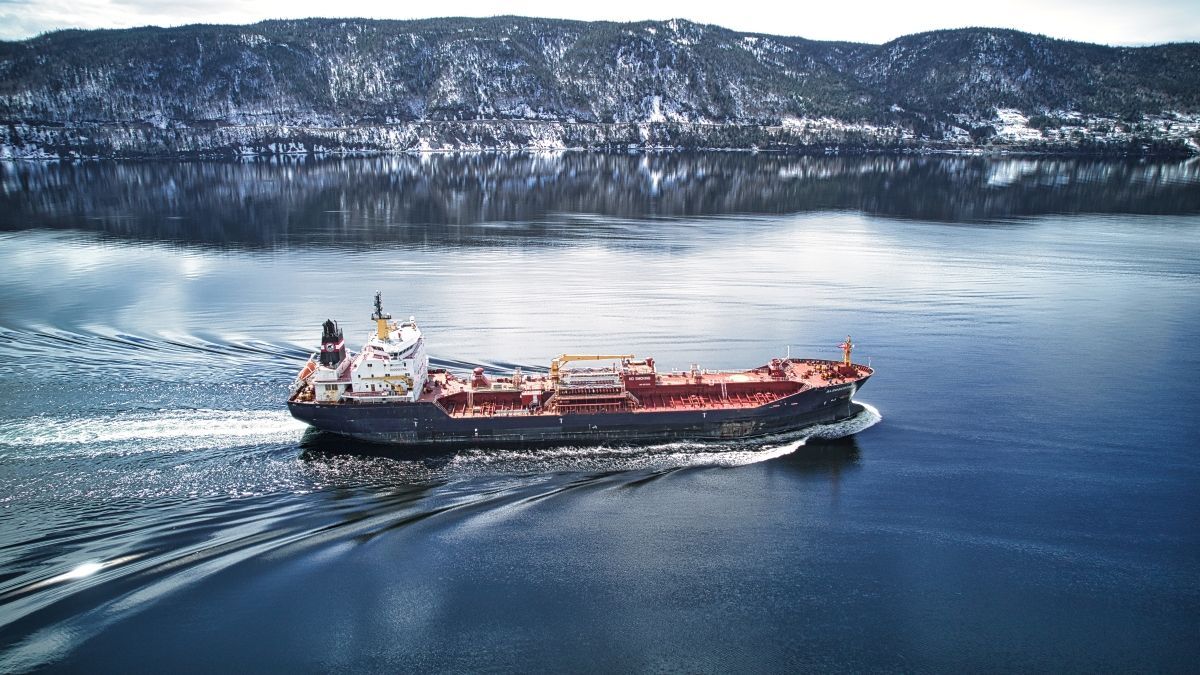
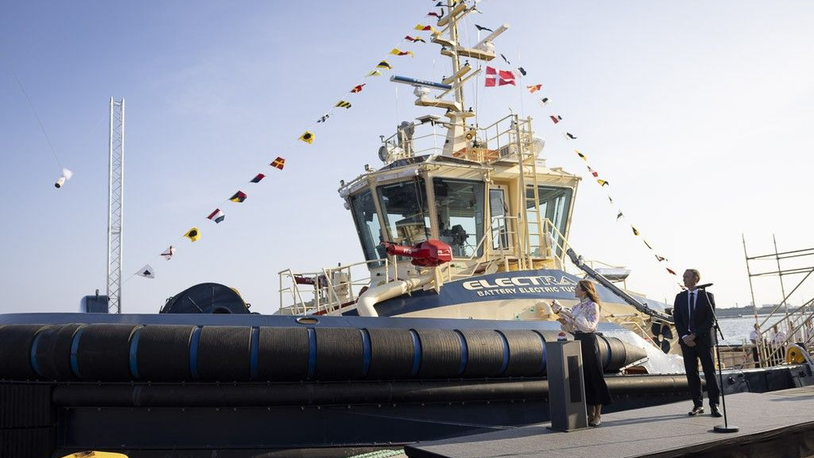
2026 in tug and salvage: electric and methanol-fuelled tugs arrive
31 Dec 2025by Martyn Wingrove
Most Viewed Articles
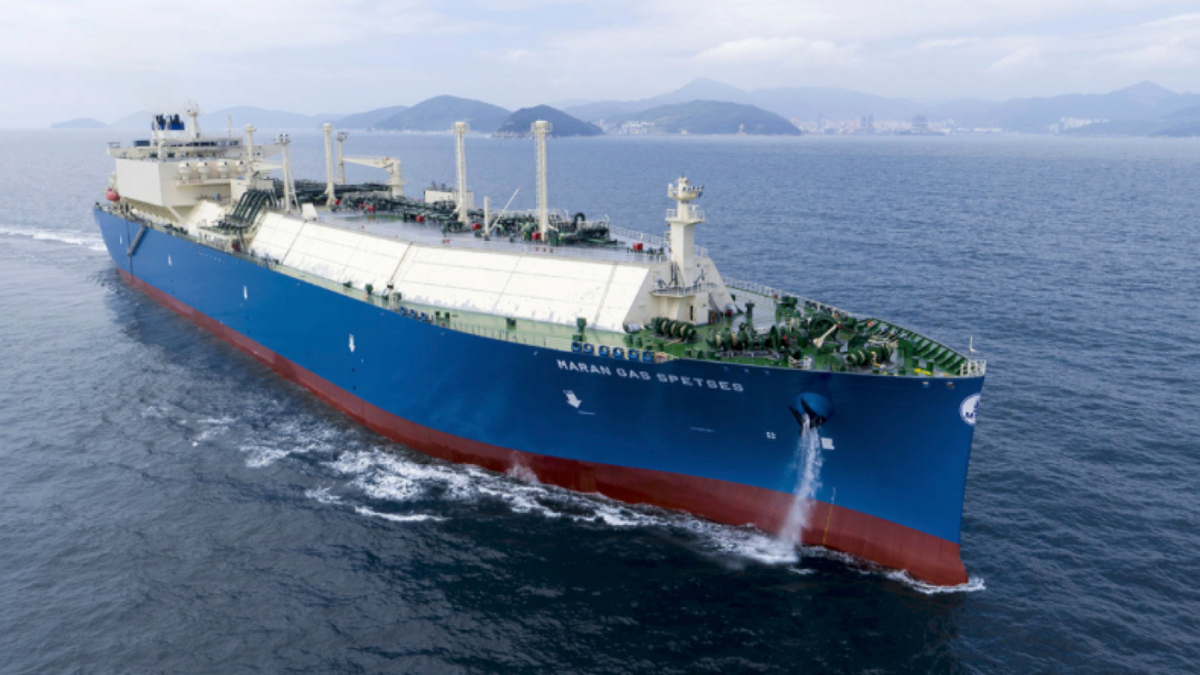
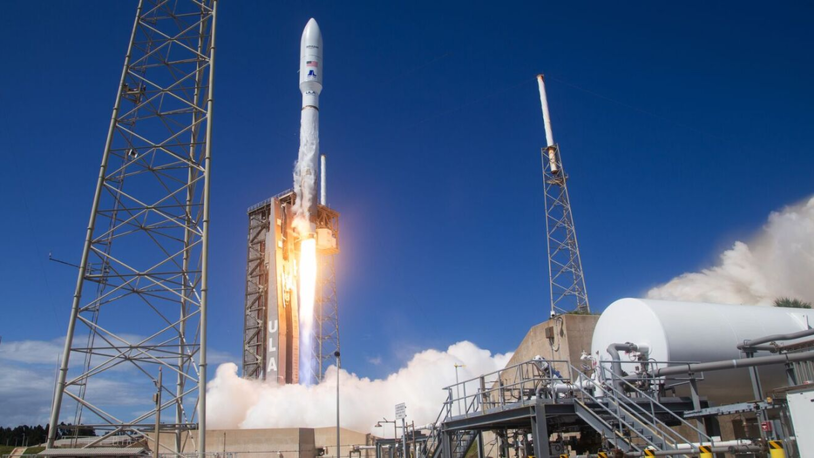
2026 in maritime optimisation and communications: key digitalisation technologies to transform shipping
31 Dec 2025by Martyn Wingrove

The size of the prize
30 Dec 2025by Craig Jallal
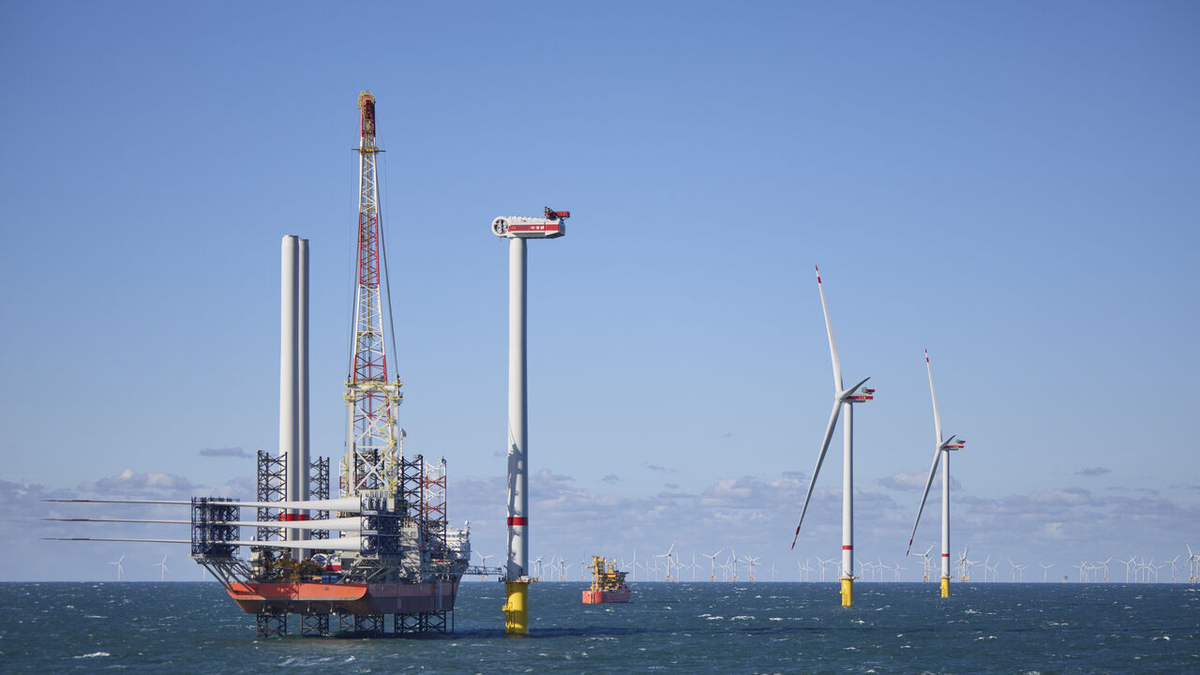


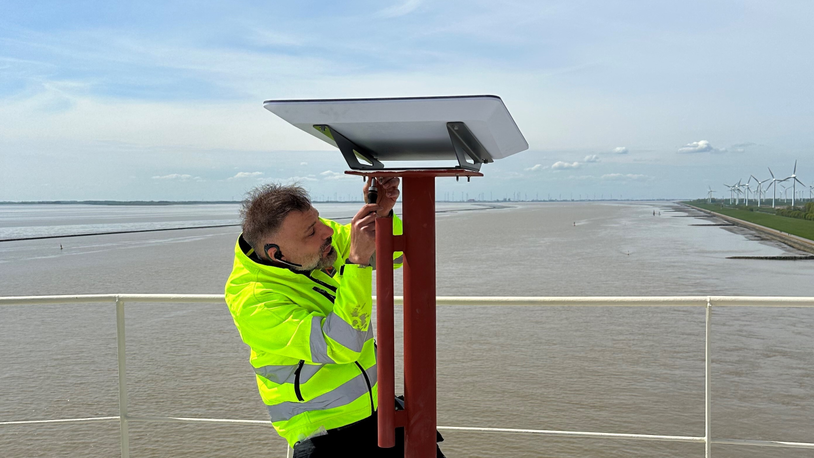
2025 in maritime optimisation and communications: LEO constellations, GPS jamming, AI and USVs drive development
29 Dec 2025by Martyn Wingrove
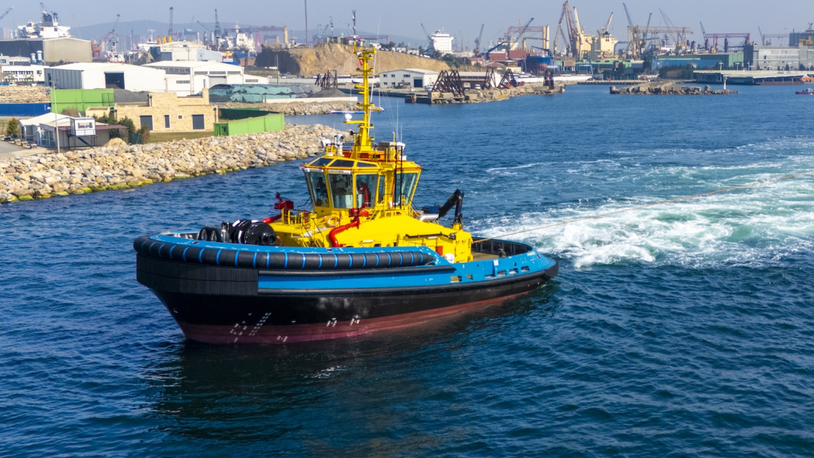
2025 in tug and salvage: batteries, alternative fuels, design innovation and corporate deals
26 Dec 2025by Martyn Wingrove

2025: a pivotal year for innovative green fuels, battery-powered tugboats
24 Dec 2025by Martyn Wingrove



Events

© 2026 Riviera Maritime Media Ltd.


