


Business Sectors
Events

Floating energy: successfully unlocking stranded gas using FLNGs and FSRUs
 24 Feb 2026
 GMT - ONLINE
Contents
Register to read more articles.
2025 in marine propulsion: five stories that defined the year
Five key regulatory and technology events that defined marine propulsion in 2025, setting the stage for 2026


As 2025 draws to a close, it is only natural we reflect on the year’s defining moments in marine propulsion. These five top stories will define the marine propulsion landscape next year.
IMO’s delay on NZF
The International Maritime Organization’s decision to delay the adoption of its Net-Zero Framework (NZF) in October was clearly the biggest story of 2025. Approved in April 2025, IMO’s NZF would have enacted a global greenhouse gas (GHG) fuel standard, requiring ships to reduce their annual greenhouse gas fuel intensity based on a well-to-wake approach over time. On top of that, the NZF would have set a global pricing mechanism for GHG emissions – essentially a carbon tax – that would have been collected by IMO.
Now the vote for adoption has been delayed to October 2026. But kicking the can down the road won’t solve the issues at the heart of NZF – namely, its complexity, lack of availability of zero- and near-zero fuels, and poor treatment of existing lower carbon options, LNG and biofuels.
Shipowners must still contend with IMO’s existing emissions-reduction requirements and EU ETS and FuelEU Maritime.
Leaning into LNG
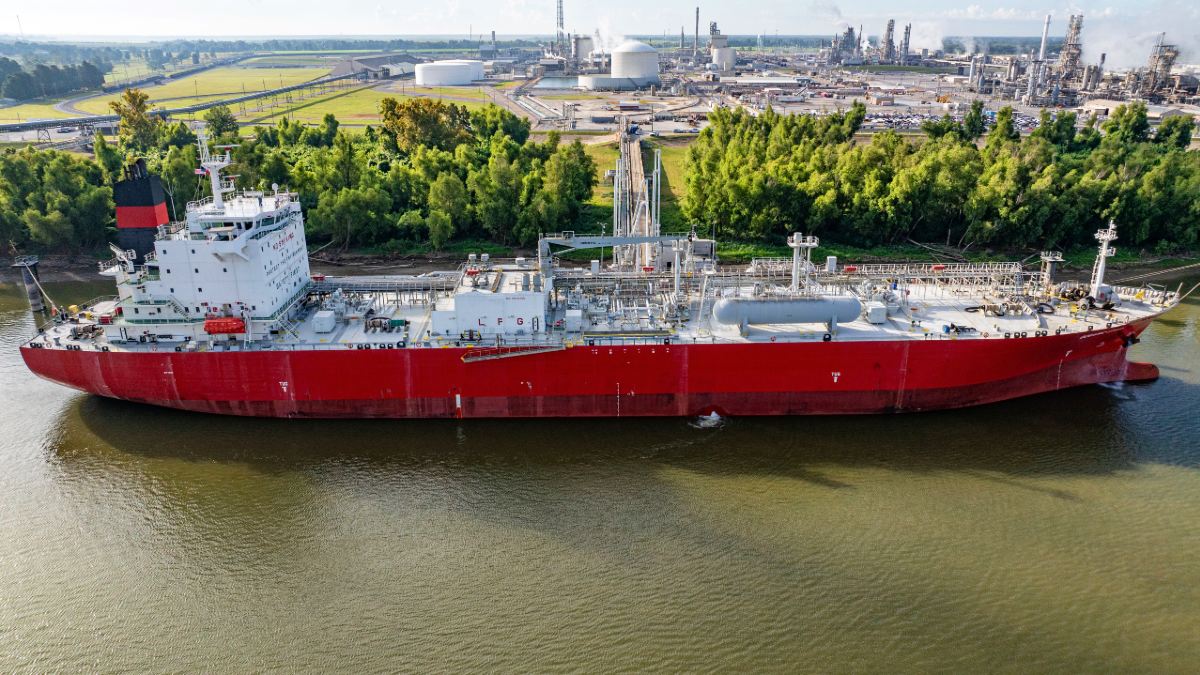
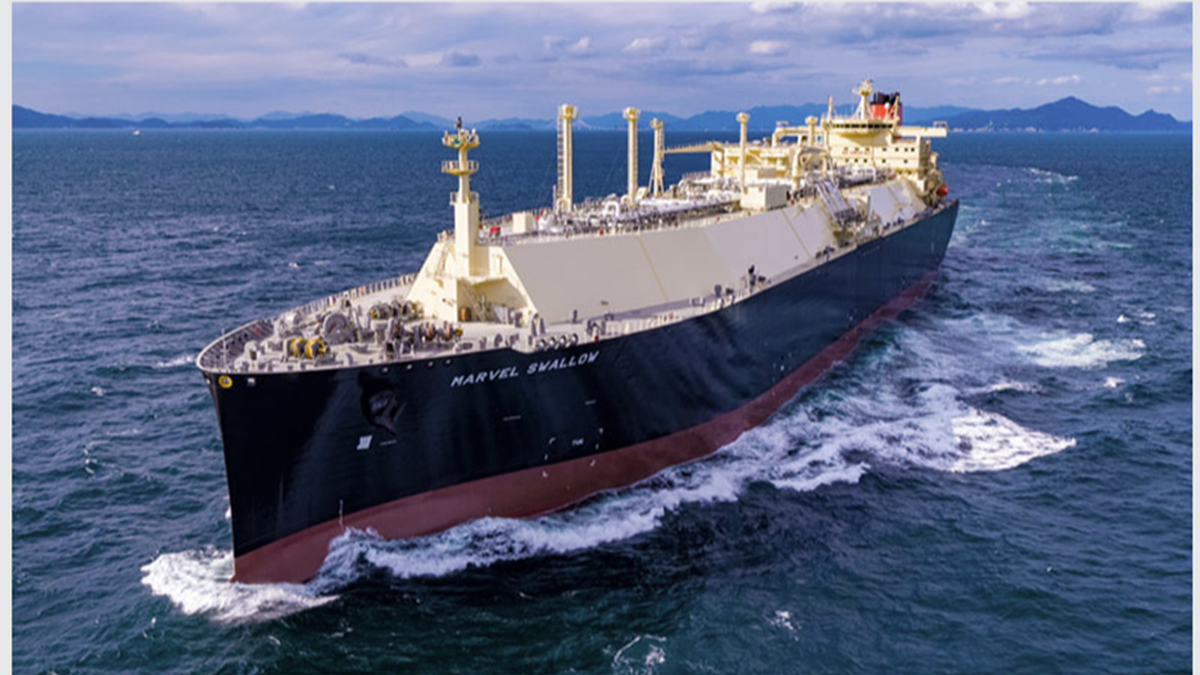
IMO’s decision to delay adoption of the NZF gave LNG a fresh boost. In November, 10 orders were placed for alternative fuel-capable newbuilds, all of them LNG, according to DNV’s Alternative Fuels Insight (AFI) platform.
In the first 11 months of 2025, 232 alternative-fuelled newbuilds were ordered, with LNG (157 ships) accounting for two-thirds of the orders placed, according to data shared by DNV AFI product manager, Kristian Hammer. Methanol-capable vessels (47 units) accounted for 20.0% of the orders, with the remainder a mix of ammonia (5 units), LPG (19 units) and hydrogen (4 units).
Progress on mitigating methane slip continues, with a Japanese-led consortium reporting reducing slip by 98.0% during full-scale sea trials on an LNG-fuelled coal carrier operating between Japan and Australia.
Engine designer WinGD now claims methane slip from its engines have fallen from 1.7% of gas volume a decade ago to lower than 0.8% in new generation engines, with a target of 0.5% or below.
Another round of alcohol
Maersk’s methanol ambitions were the big news two years ago with the introduction of Laura Maersk, the first of a new class of methanol dual-fuel-powered container ships designed to drive the Danish shipping giant to net-zero emissions by 2040.
Now Laura Maersk is being used as a testbed to burn blends of methanol with ethanol. It first pioneered a blend of e-methanol with 10% ethanol in October, and in December began trialling 50/50 blends of the two fuels. Once those trials are complete, Maersk plans to ramp up to using 100% ethanol. Switching between alcohol-based marine fuels could offer owners operational, commercial and asset flexibility, fuel arbitrage, bunkering and storage advantages, and emissions reductions.
Two-stroke and four-stroke engine designers have ethanol models coming to the market.
Carbon captured
Some of the first onboard carbon capture system (OCCS) pilots are underway, including a trial between technology provider Carbon Ridge and shipowner Scorpio Tankers. Data collected during the trials should inform the potential for optimising and scaling the centrifugal OCCS.
In general, issues around OCCSs are space requirements, technology readiness, energy usage, capture rate, costs, regulatory benefits and barriers, and value chain immaturity.
Ammonia’s emergence
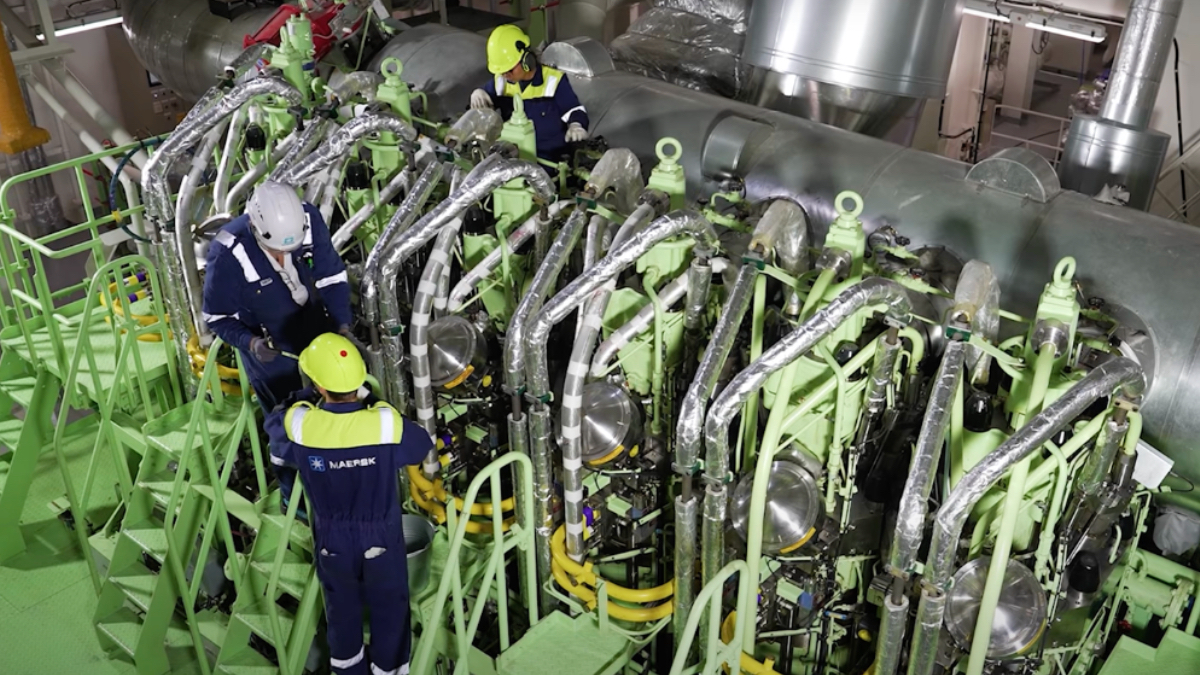
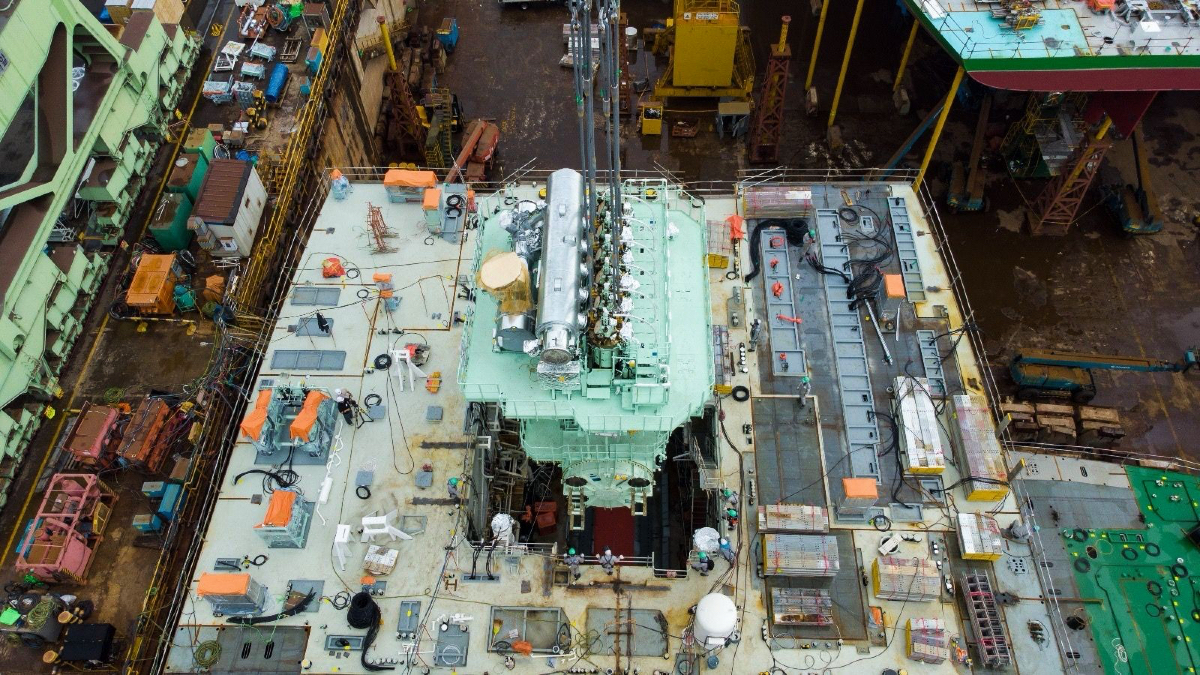
Major engine designers recorded successes on the development of the first two-stroke ammonia dual-fuel engines, with WinGD reporting in July the installation of its X52DF-A engine on a midsize LPG/ammonia carrier for Exmar. Everllence, meanwhile, will deliver its first ammonia engine in Q1 2026. Both European engine designers logged thousands of hours and undertook hundreds of tests in realising their engine breakthroughs. But as the great American poet, Maya Angelou wrote, “All great achievements require time.” Something policymakers and regulators should consider when addressing CO2 and GHG emissions from shipping.
Riviera’s Annual Offshore Support Journal Conference, Awards & Exhibition 2026 will be held in London on 3-4 February 2026. Use this link for more information and to register for the event.
Related to this Story

Events

Maritime Regulations Webinar Week
16 Dec 2025GMT - ONLINEFloating energy: successfully unlocking stranded gas using FLNGs and FSRUs
24 Feb 2026GMT - ONLINE
© 2024 Riviera Maritime Media Ltd.


