


Business Sectors
Events

Floating energy: successfully unlocking stranded gas using FLNGs and FSRUs
 24 Feb 2026
 GMT - ONLINE
Contents
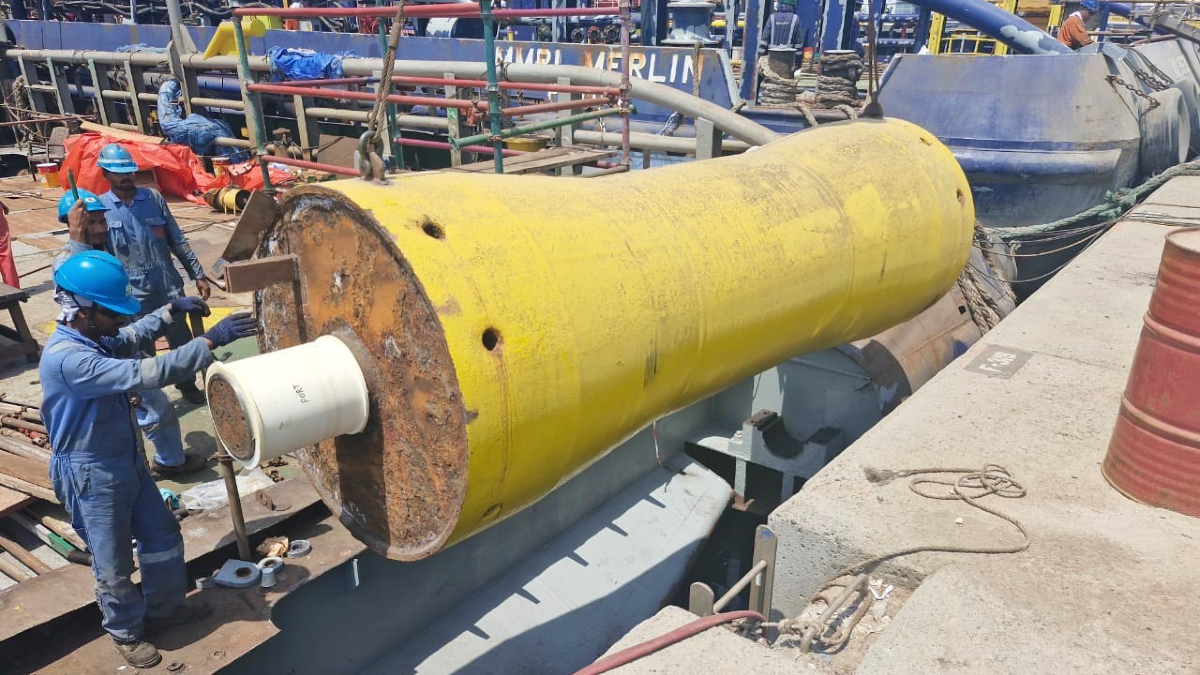

2025's most-read stories in Marine Propulsion & Auxiliary Machinery
We look back over our most-read stories from the year to revisit the topics that your reading habits revealed as key issues in the marine propulsion industry in 2025


With looming regulations to consider, Marine Propulsion & Auxiliary Machinery readers have avidly followed emerging fuels and engine technologies. Some of the most-read stories in 2025 featured major regulatory developments and debates on the role of LNG in a net-zero emissions future.
To read each story in full, click on the headline, the image or the link at the end of the text.
Sign up for Riviera’s series of technical and operational webinars and conferences in 2025:
- Register to attend by visiting our events page.
- Watch recordings from all of our webinars in the webinar library.
1. WinGD CEO: ‘We may have all bet on the wrong horse’
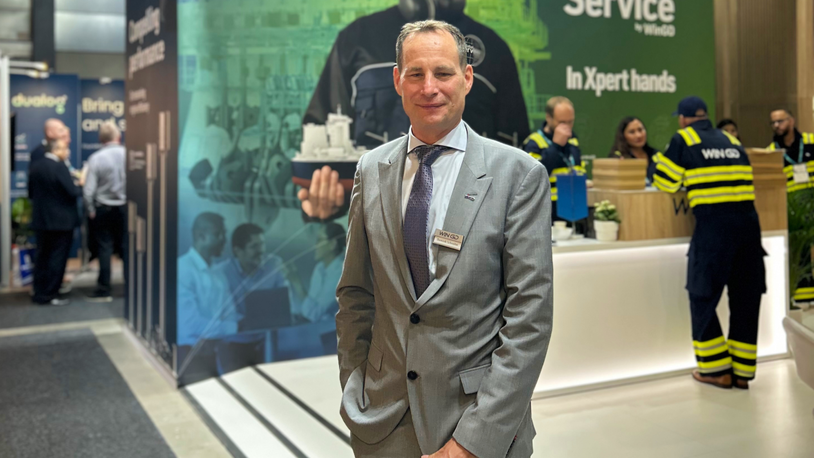
WinGD chief executive, Dominik Schneiter, expressed serious doubts over the draft International Maritime Organization (IMO) Net Zero Framework, warning that with present regulations, LNG could remain the default fuel – potentially locking in fossil-fuel reliance to 2040 and undermining investments into ammonia and methanol technology.
2. IMO climate rules challenge LNG fuel assumptions

The recent package of regulations approved by IMO’s 83rd environmental committee session introduced a global fuel-intensity standard and stricter emissions oversight, triggering renewed scrutiny over LNG’s status as a transitional fuel. Many existing LNG vessels may struggle to comply under the new rules, especially if methane slip is not addressed effectively.
3. Sailing into history: ammonia engines to hit the water in 2025
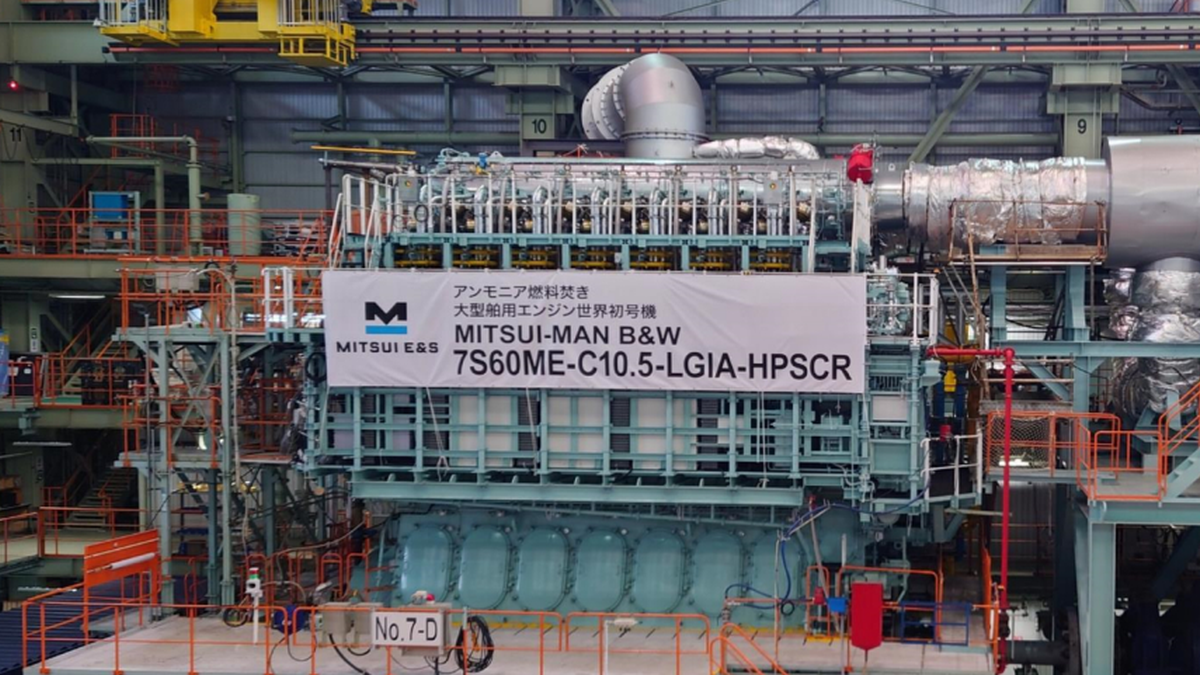
After years of development, the first marine engines capable of running on ammonia are expected to be delivered in 2025, marking a pivotal step toward zero-carbon shipping. The technology – developed by WinGD – could see service on gas carriers, bulkers and tankers, reflecting rising industry appetite for green fuel alternatives.
4. These shipyards drive China’s dominance in the global shipbuilding industry
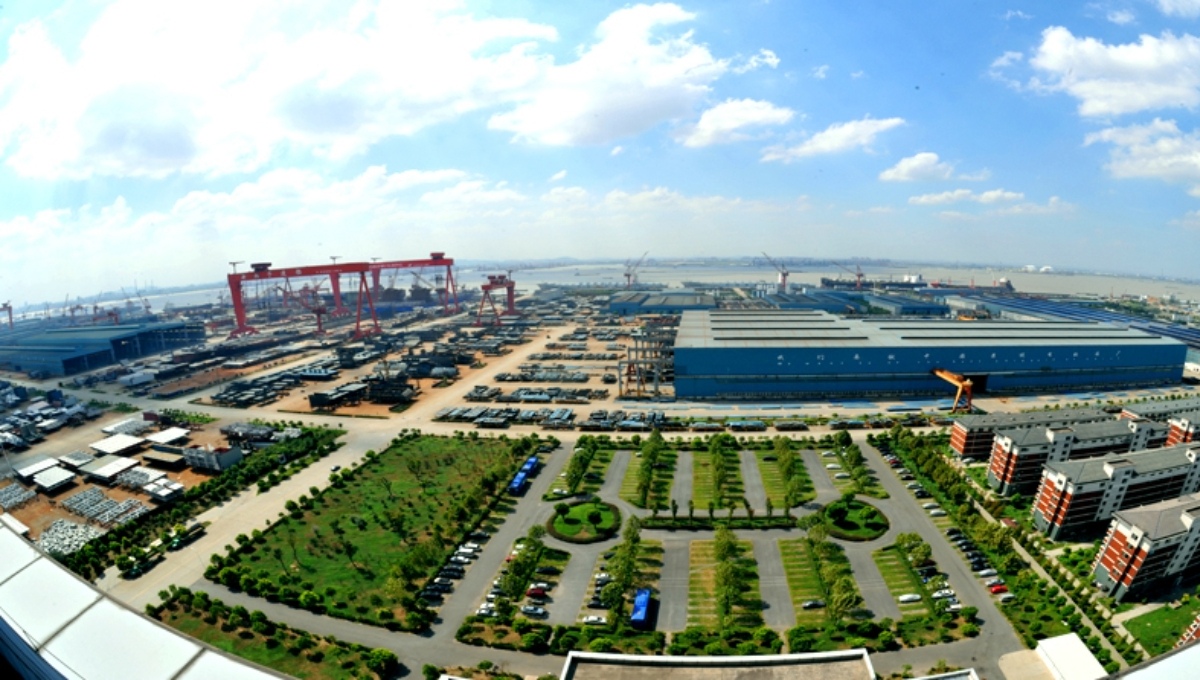
A small number of Chinese yards – both state-owned and private – continue to anchor China’s leading position in global vessel construction, supplying the bulk of newbuilds across tanker, bulker, LNG carrier and future-fuel-ready segments. Their capacity and scale remain central to fleet renewal trends worldwide.
5. Volkswagen’s largest shareholder said to be considering investment in Everllence
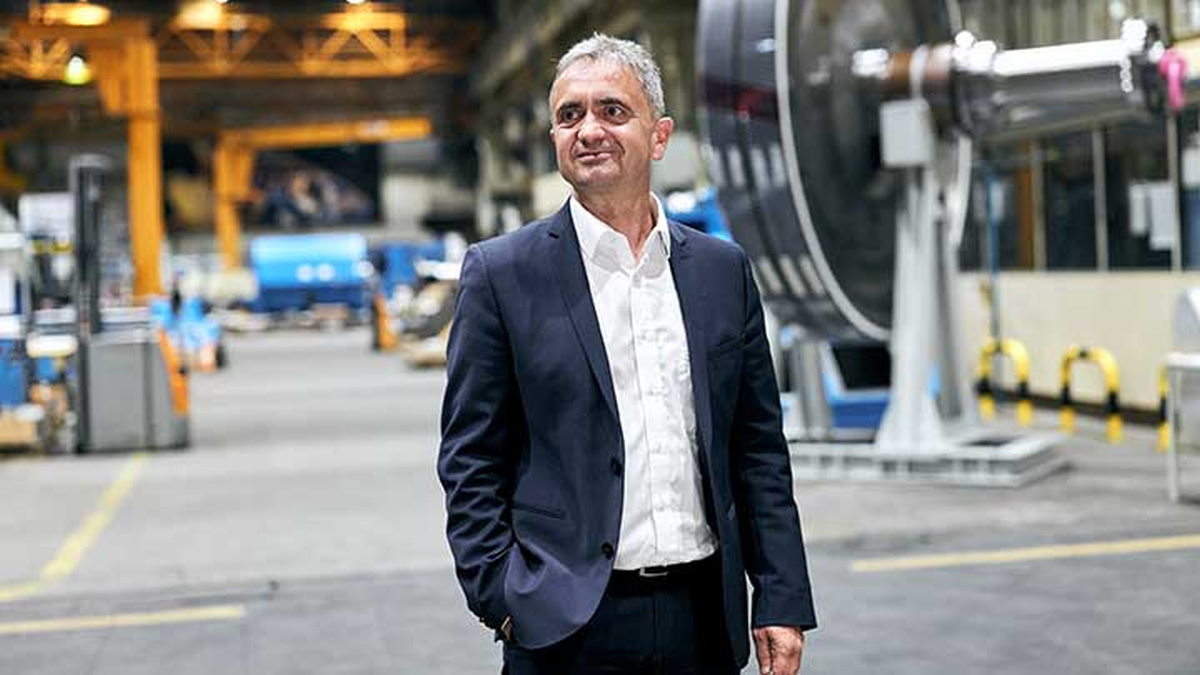
According to industry sources, the largest shareholder in Volkswagen Group is reportedly evaluating a strategic investment in Everllence – the marine-engine company behind a prototype two-stroke ammonia-dual-fuel engine, the 7S60ME-LGIA Mk 10.5. Such backing could accelerate the rollout of zero-carbon engine technology for the global fleet.
Related to this Story


NZF delay: what next for IMO’s headline policy?
Events

Maritime Regulations Webinar Week
16 Dec 2025GMT - ONLINEFloating energy: successfully unlocking stranded gas using FLNGs and FSRUs
24 Feb 2026GMT - ONLINE
© 2024 Riviera Maritime Media Ltd.


